Industry knowledge
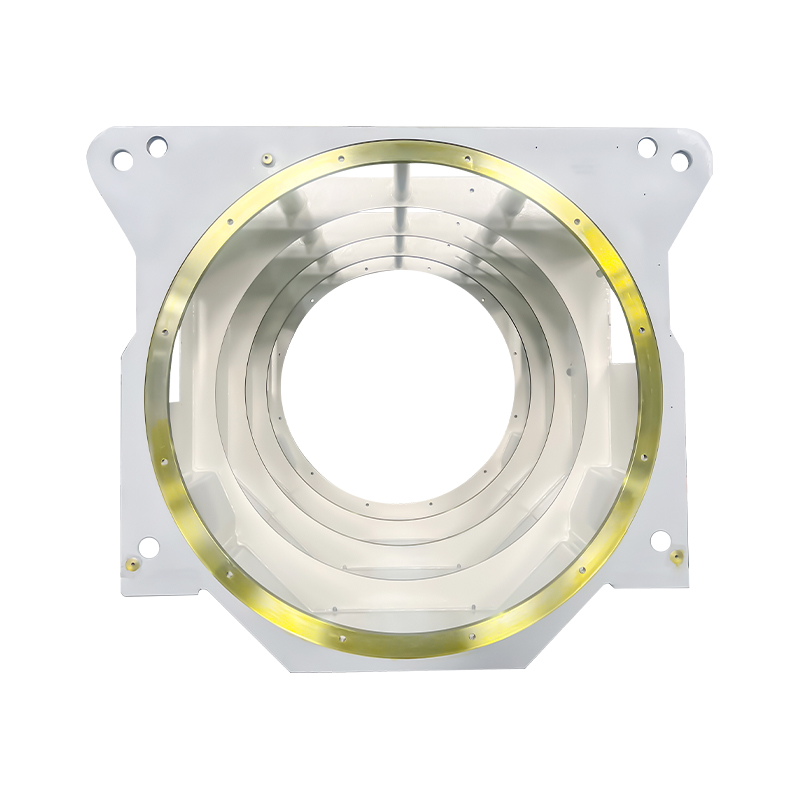
Wind turbine generator housing and generator frames are essential structural components that ensure the generator operates safely, precisely, and efficiently within the nacelle of a wind turbine. These parts provide mechanical protection, structural stability, and accurate alignment between the generator and drivetrain components. High-strength materials, precision welding, and strict dimensional control are required to withstand continuous loads, vibration, and harsh outdoor environments common in wind power generation.
In modern wind turbines—often exceeding several megawatts of capacity—the reliability of these structural components directly affects the operational stability and service life of the entire power generation system. Well-designed housings and frames reduce vibration, maintain alignment tolerances, and protect critical electrical and mechanical parts from environmental damage.
Structural Role of Wind Turbine Generator Housing
The generator housing functions as the protective shell surrounding the generator system. It forms part of the nacelle structure and shields sensitive internal components from dust, moisture, salt spray, and mechanical impacts.
Key Functional Requirements
- High structural strength to support heavy generator assemblies
- Excellent sealing performance to protect electrical components
- Corrosion resistance for offshore or humid environments
- Dimensional stability under temperature fluctuations and dynamic loads
For example, large wind turbine generators used in modern wind farms can weigh several tons to more than 20 tons. The housing must therefore maintain rigidity and dimensional stability while absorbing vibration generated during continuous turbine operation.
The generator frame acts as the main support structure that connects the generator to the nacelle frame or drivetrain. It holds the generator in position and ensures accurate alignment with the gearbox or main shaft.
Core Mechanical Functions
- Supporting the full weight of the generator
- Maintaining alignment between rotating components
- Transferring torque and operational loads to the nacelle structure
- Reducing vibration and structural deformation
Accurate machining of mounting surfaces and connection points is critical. Even a small deviation of 0.1–0.2 mm in alignment can increase vibration levels, reduce generator efficiency, and accelerate wear in drivetrain components.
Key Manufacturing Requirements for Generator Housings and Frames
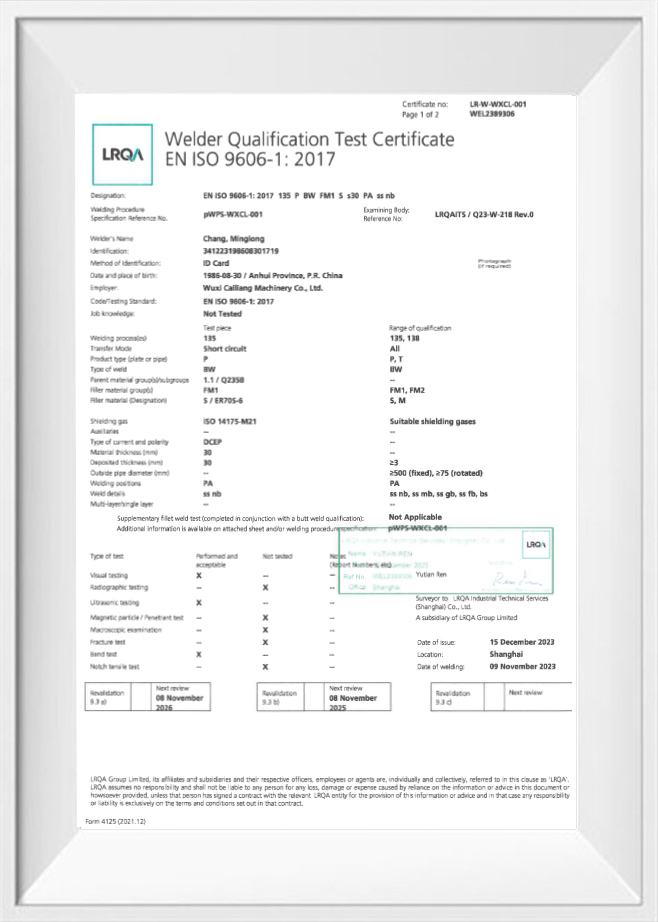
Because wind turbine structures operate under heavy loads and continuous motion, the manufacturing process must maintain strict quality standards. Precision welding, stress relief treatments, and dimensional inspection are typically required.
| Manufacturing Factor |
Technical Requirement |
Purpose |
| Material Strength |
High-grade structural steel |
Ensures load-bearing capability |
| Welding Accuracy |
Controlled deformation |
Maintains structural alignment |
| Dimensional Inspection |
CMM precision measurement |
Ensures tolerance compliance |
| Process Monitoring |
SPC statistical control |
Maintains consistent quality |
Key manufacturing factors affecting wind turbine generator housing and frame quality
Professional Wind Turbine Generator Frame Manufacturing in China
Wuxi New Ruichi Technology Co., Ltd. and Wuxi Cailiang Machinery Co., Ltd. provide specialized manufacturing capabilities for wind turbine generator housings and frames. Through collaboration between advanced electrical component manufacturing and precision welded structural fabrication, the companies deliver reliable products for modern wind power systems.
Wuxi New Ruichi Technology Co., Ltd. focuses on the research, development, manufacturing, and sales of electric punching and core products. Its technologies are widely applied in multiple advanced sectors, including new energy commercial vehicles, non-road mobile machinery, wind power generation, industrial high-efficiency energy conservation systems, automation control, and rail transit.
Wuxi Cailiang Machinery Co., Ltd. specializes in manufacturing high-quality welded machine housings and end shells for wind power equipment and high-voltage industrial motors. The company provides structurally robust generator housings and frames that meet the demanding mechanical and dimensional requirements of large-scale wind turbines.
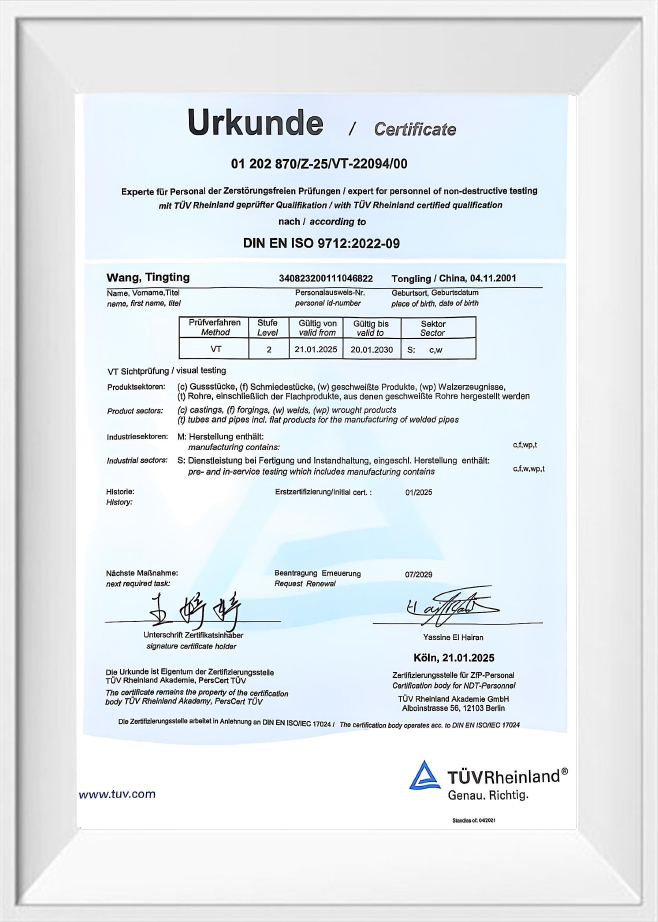
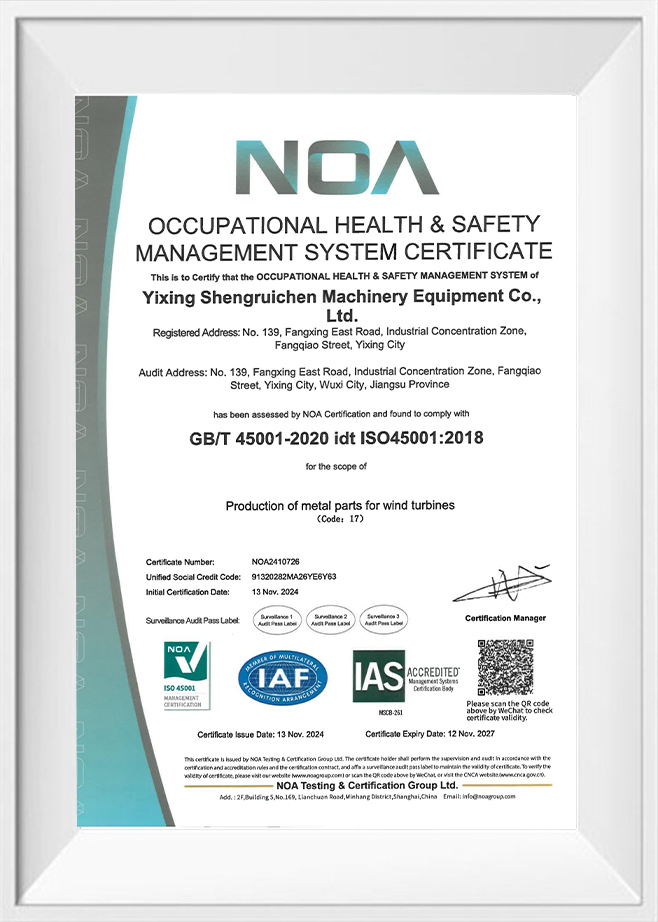
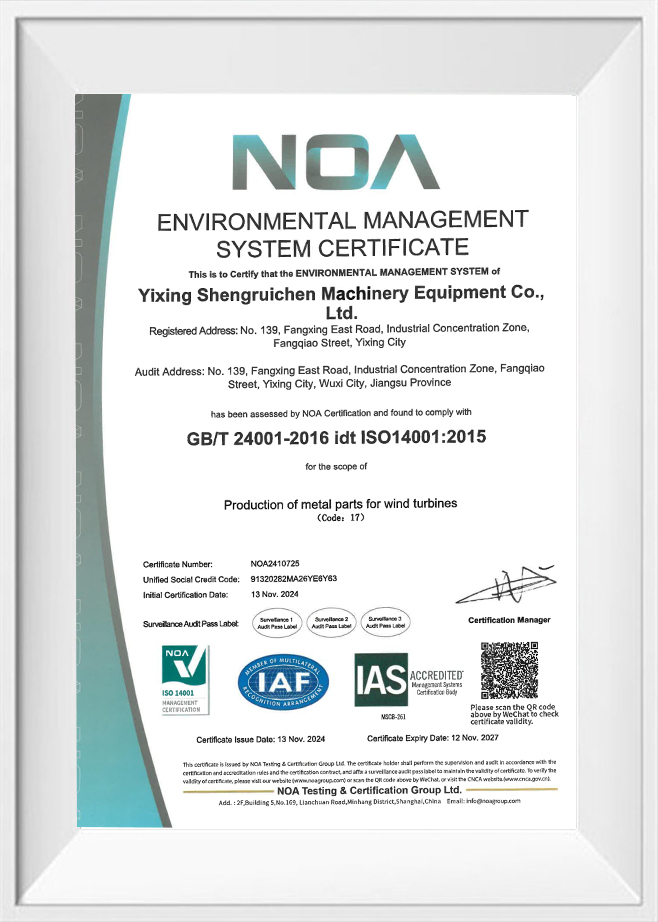
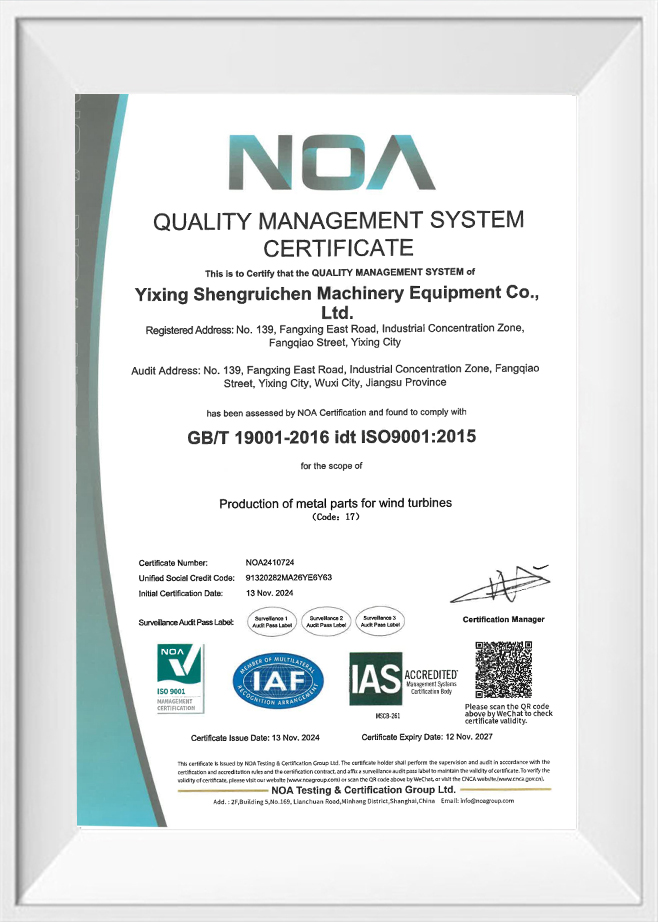
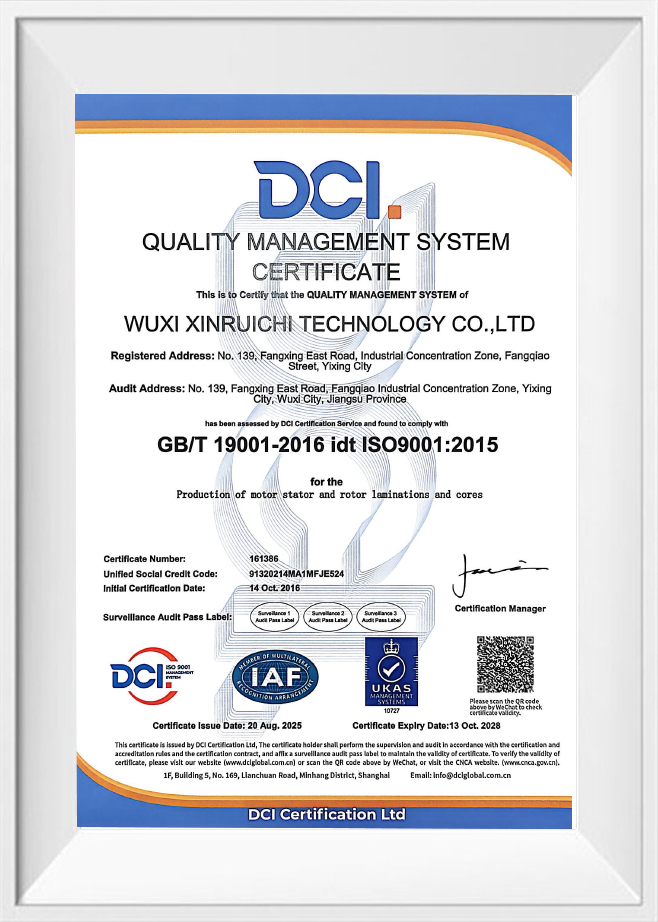
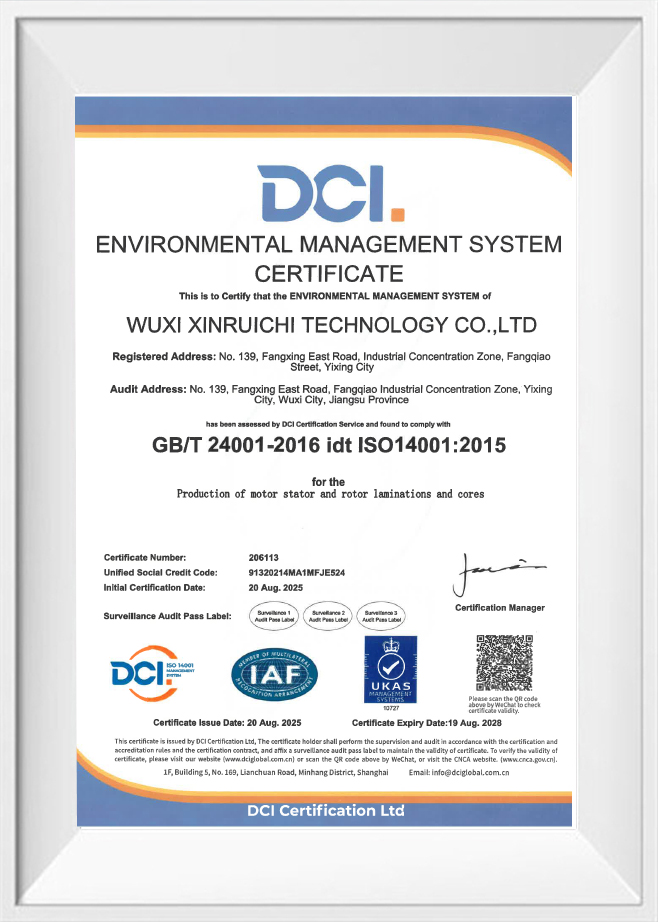
Both companies have obtained ISO 9001, IATF 16949, and ISO 14001 certifications. Their production systems apply full-process quality monitoring using advanced inspection technologies such as SPC (Statistical Process Control) and CMM (Coordinate Measuring Machines), ensuring precise control of every manufacturing stage.
Custom Wind Turbine Generator Frame Solutions
Different turbine models require different structural configurations. Customization allows manufacturers to optimize frame strength, weight, and mounting compatibility according to generator size and turbine architecture.
- Customized frame geometry for different turbine platforms
- Optimized welding structures to reduce vibration transmission
- Precision-machined mounting surfaces for accurate generator alignment
- Structural design suitable for both onshore and offshore turbines
Through engineering collaboration and precision manufacturing, custom generator frames help wind turbine manufacturers improve drivetrain reliability and reduce long-term maintenance costs.
Future Development in Smart and Green Manufacturing
Looking ahead, Wuxi New Ruichi Technology Co., Ltd. and Wuxi Cailiang Machinery Co., Ltd. plan to continuously increase annual research and development investments. Their strategic focus is on integrating AI technology, smart manufacturing systems, and green energy applications to build stronger technological capabilities in the wind power supply chain.
By developing intelligent production workshops and digital quality monitoring systems, the companies aim to further improve production efficiency, product consistency, and environmental sustainability. These innovations will support the growing global demand for wind power equipment while strengthening the reliability and competitiveness of their generator housing and frame products.

 en
en
 русский
 Deutsch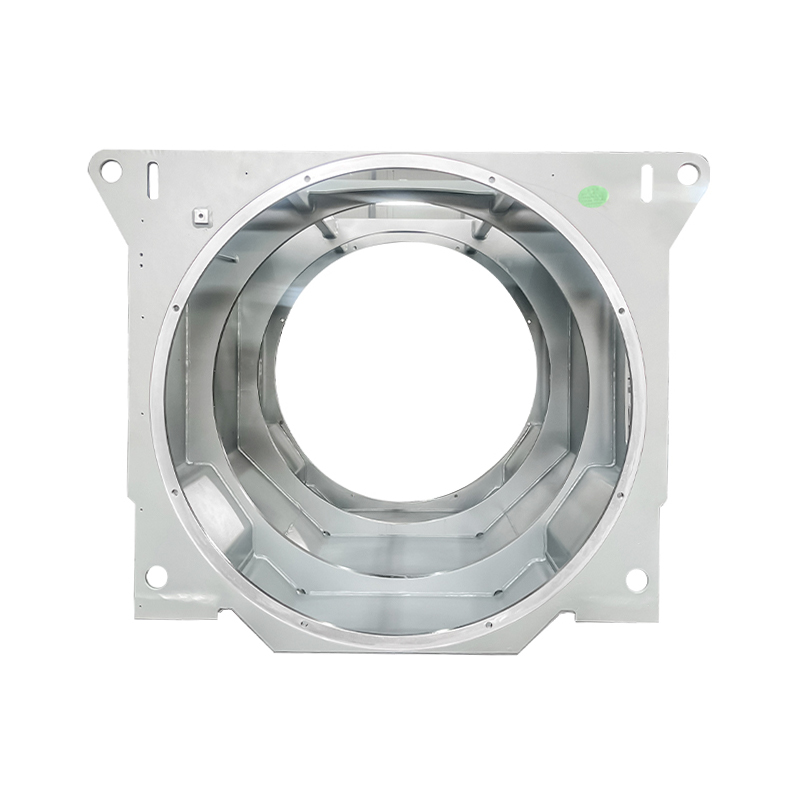



 Email:
  Telephone/Phone:
