Home / Products / New ruichi Products / Motor Stator and Rotor Core / Servo Motor Stator and Rotor Core

Servo Motor Stator and Rotor Core Manufacturers


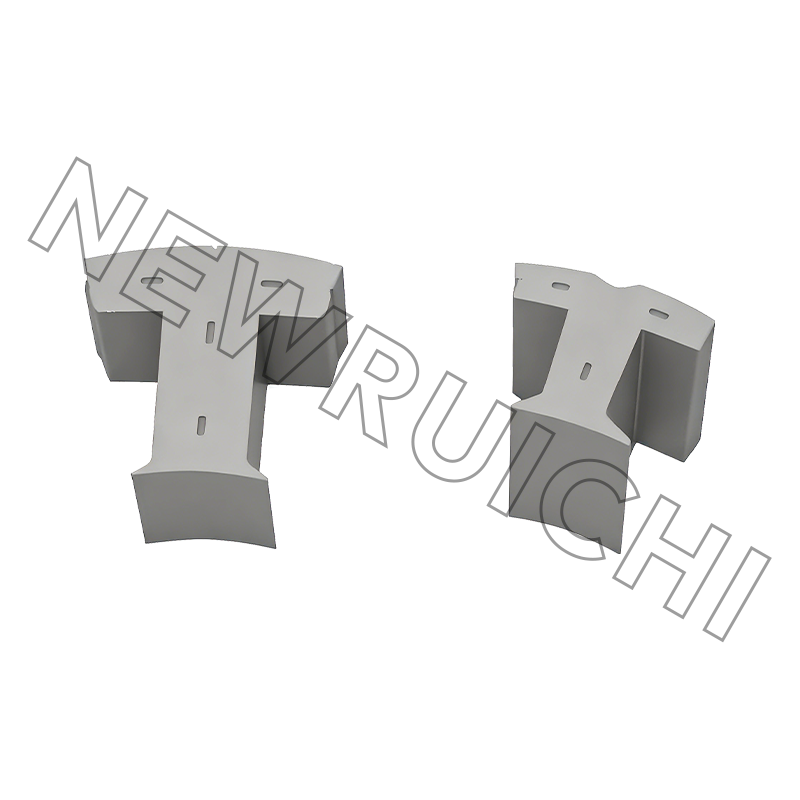
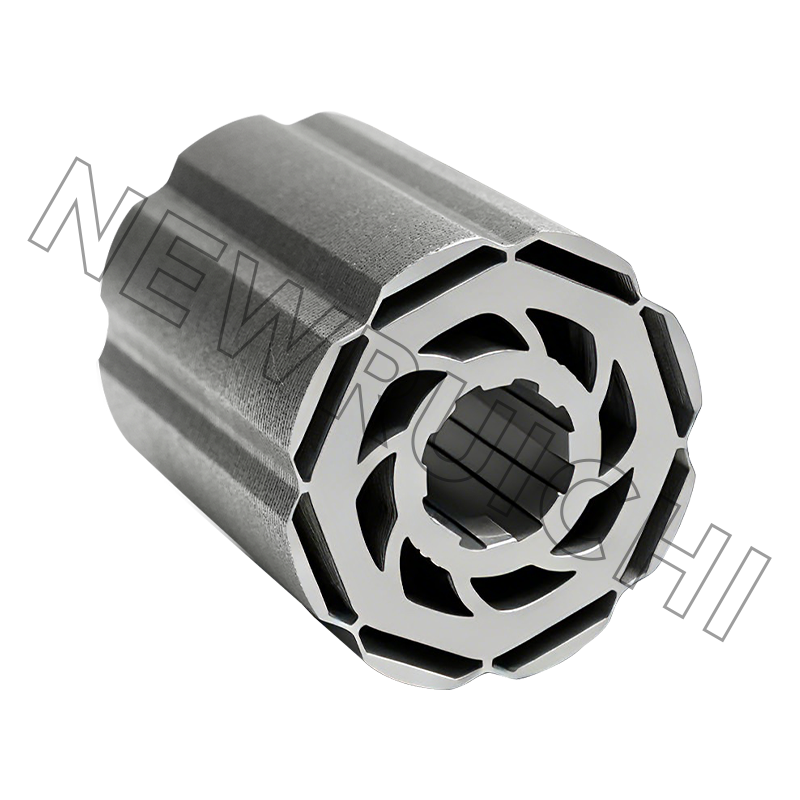
Designed for high-response and high-precision servo systems, these stator and rotor cores are manufactured using selected grades of silicon steel to reduce eddy current losses and maintain excellent dynamic performance at high frequencies. Strict control of balance and consistency is essential for stable operation and accurate positioning in servo motors.

Message Feedback
About
Wuxi New Ruichi Technology Co., Ltd. / Wuxi Cailiang Machinery Co., Ltd.

Wuxi New Ruichi Technology Co., Ltd. is primarily engaged in the research, development, manufacturing, and sales services of electric punching and core products. Our products are mainly applied in new energy commercial vehicles, new energy non-road mobile machinery, wind power generation, industrial high-efficiency energy conservation and automation control, rail transit, and other fields.

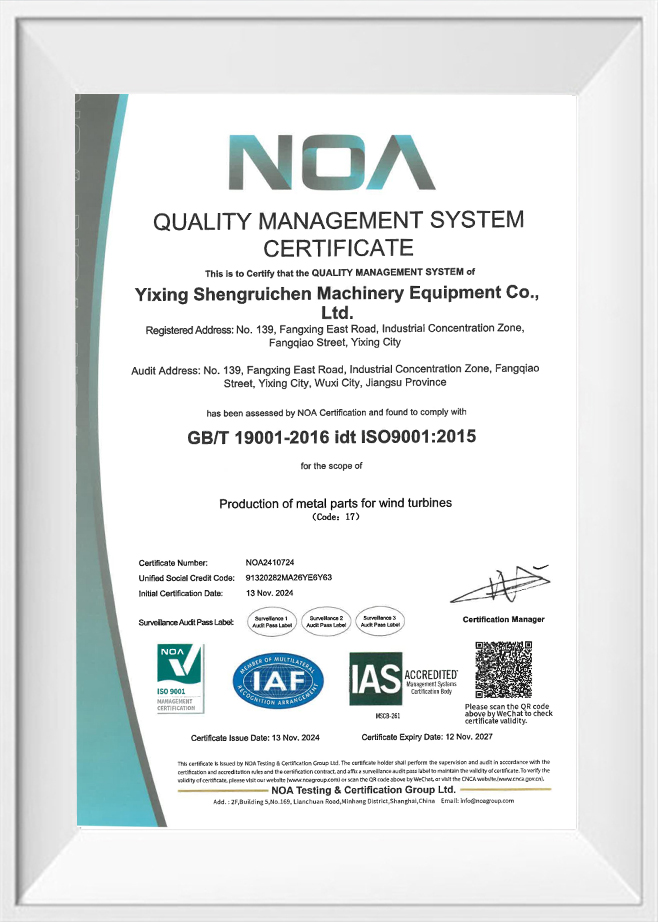
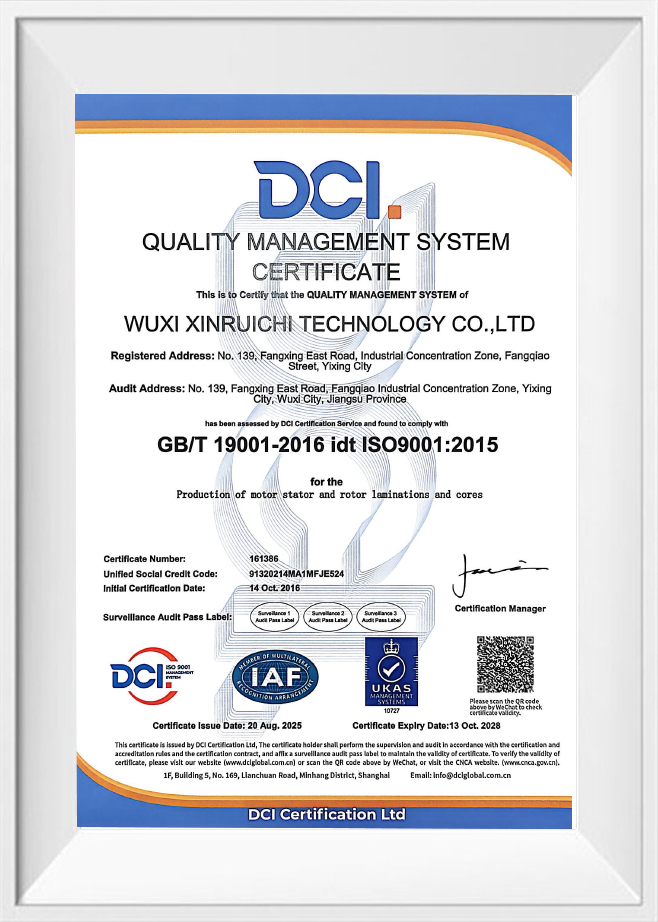
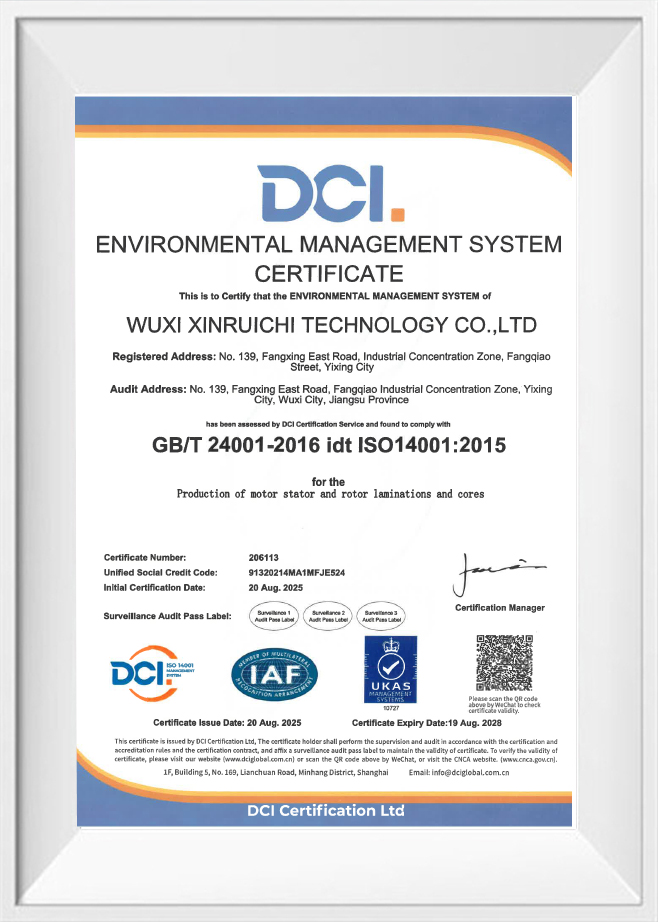
Wuxi Cailiang Machinery Co., Ltd., is a trusted manufacturer specializing in high-quality welded machine housings and end shells for wind power equipment and high-voltage industrial motors. Both companies have obtained ISO 9001, IATF 16949, and ISO 14001 certifications, and implement full-process quality monitoring using methods such as SPC (Statistical Process Control) and CMM (Coordinate Measuring Machine).

Servo Motor Stator and Rotor Core Manufacturers and Servo Motor Stator and Rotor Core Factory in China, Servo Motor Stator and Rotor Core Custom. Looking ahead, they will continue to increase annual R&D investments, focusing on integrated innovation in "AI + smart manufacturing + green energy" to build robust technological barriers, ensure sustained product leadership, and create smarter, more efficient production workshops.
Certificate
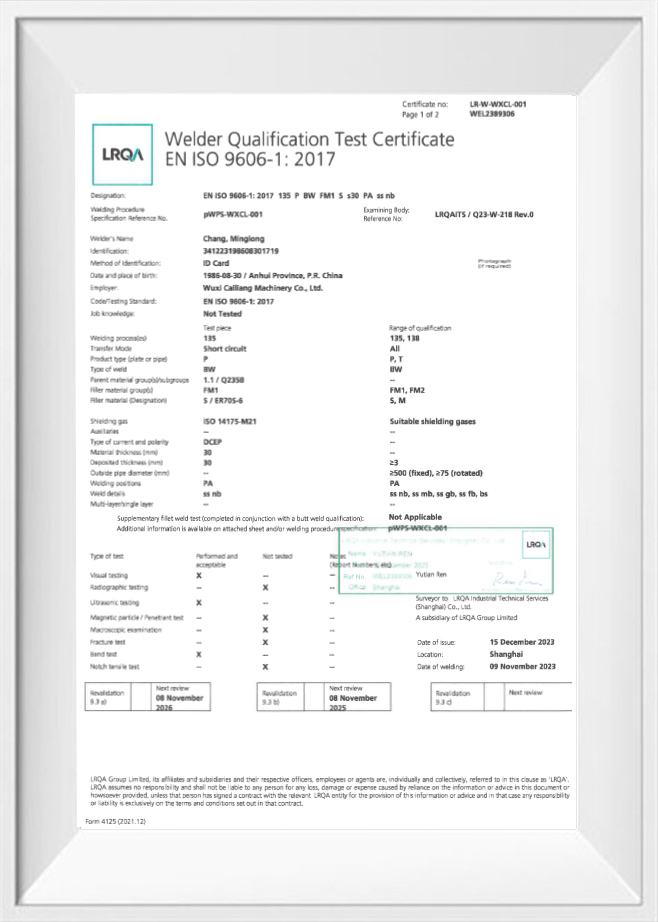
  • International Welder Certification
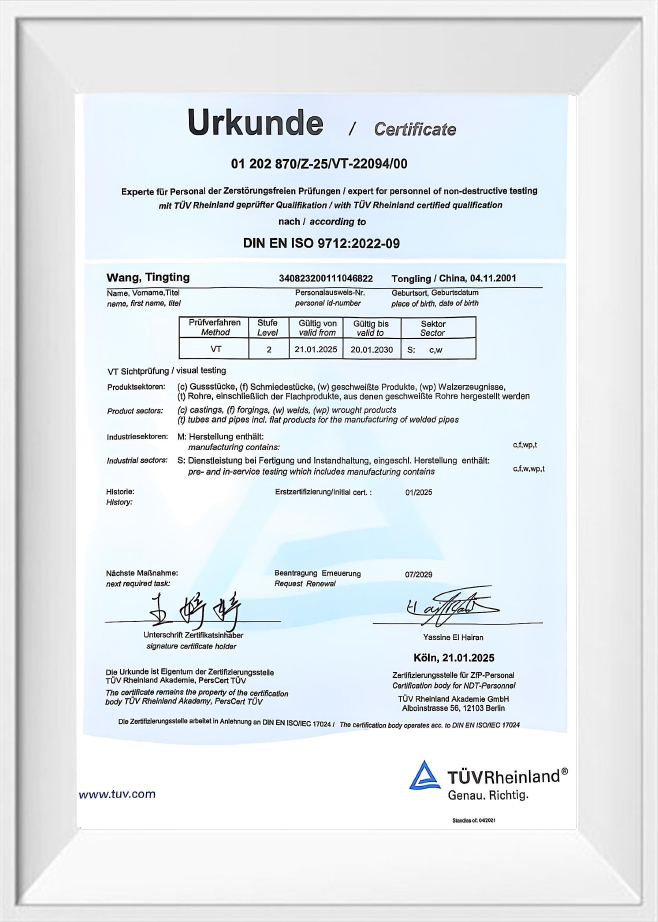
  • ISO 9712 Visual Weld Quality Inspection Certificate
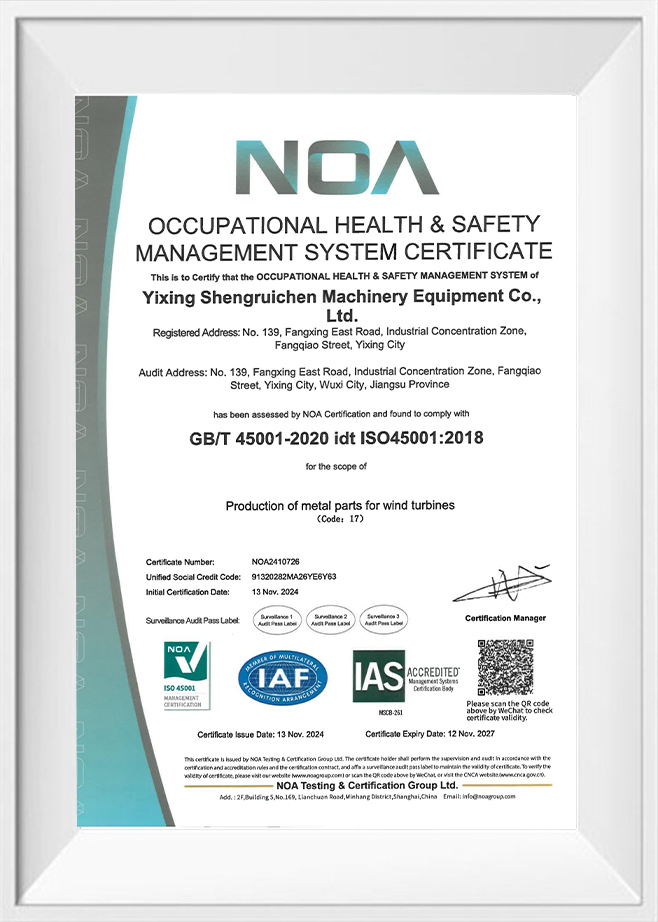
  • ISO 45001 Occupational Health & Safety Management System Certificate
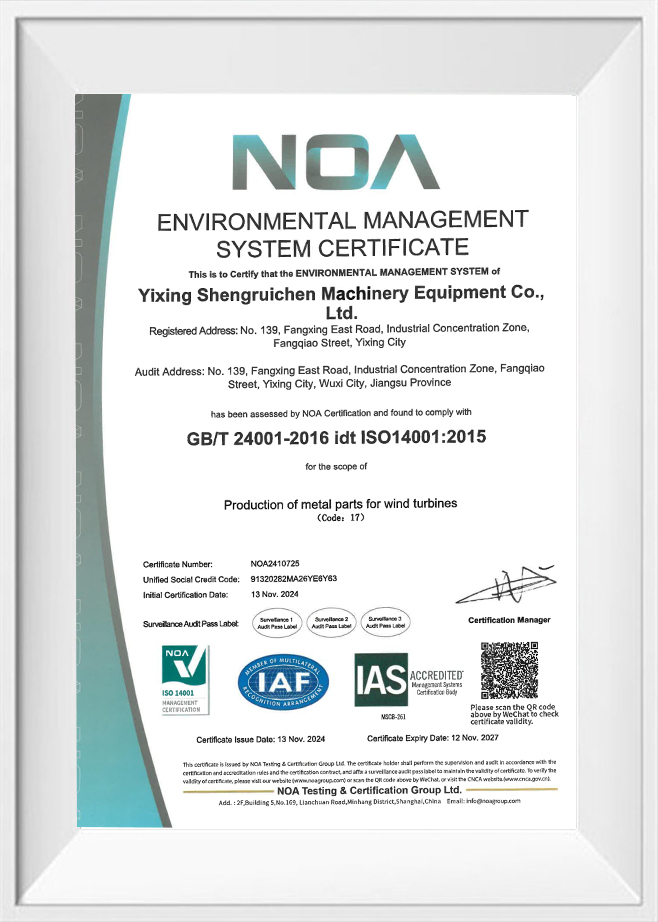
  • ISO 14001 Environmental Management System Certificate
  • ISO 9001 Quality Management System Certificate
  • ISO 9001 Quality Management System Certificate
  • IATF 16949 Certificate
  • ISO 14001 Environmental Management System Certification
  • High-Tech Enterprise Certificate
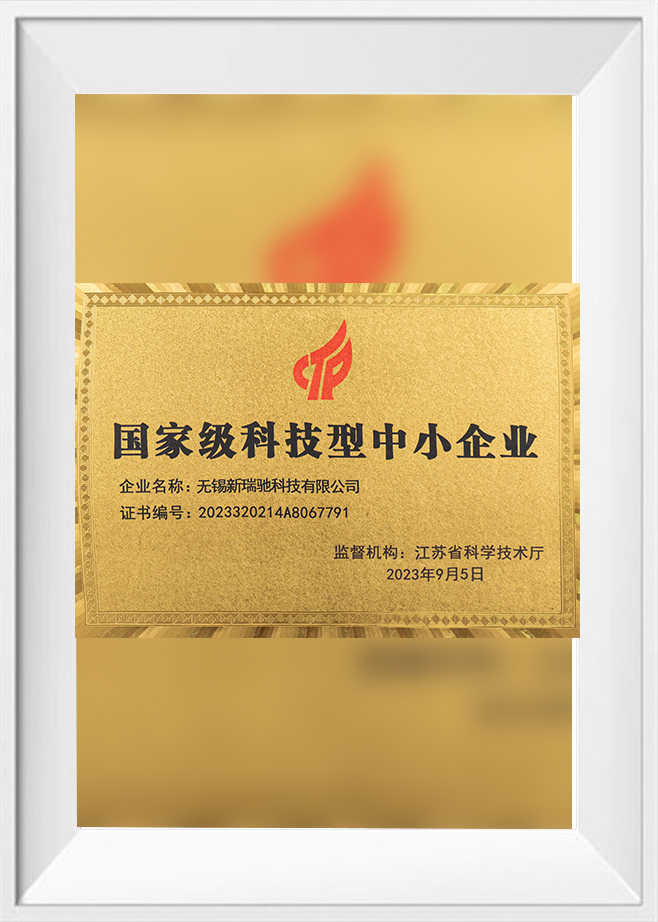
  • Nationally Recognized Technology-Based Small and Medium-Sized Enterprise
News

Industry knowledge

How Stator and Rotor Core Lamination Affects Motor Efficiency

The performance of a servo motor is fundamentally tied to the quality of its laminated core. Stator and rotor cores are built from stacked silicon steel sheets — typically 0.2 mm to 0.5 mm thick — to suppress eddy current losses. The thinner the lamination, the lower the iron loss at high frequencies, which matters greatly in variable-speed drive applications like those used in humanoid robots and EV traction systems.

Two properties of the silicon steel grade directly shape motor efficiency:

  • Core loss (W/kg) — determines heat generation under alternating magnetic fields; lower is better for high-cycle servo applications.
  • Magnetic permeability — higher permeability reduces the magnetizing current required, improving power factor and reducing drive inverter load.
  • Residual stress from stamping — improper blanking or laser cutting introduces stress that degrades magnetic properties by up to 20%; stress-relief annealing is a critical post-process step.

Our precision stamping process and controlled annealing treatment ensure that the finished lamination retains the full magnetic performance specified by the silicon steel mill — a detail that separates reliable cores from merely adequate ones.

Slot Geometry and Its Trade-offs in Servo Motor Design

The slot shape punched into the stator core is one of the most consequential geometric decisions in motor design. It governs the balance between copper fill, flux path, thermal dissipation, and cogging torque — and these objectives often conflict.

Slot Type Copper Fill Rate Cogging Torque Typical Application
Open slot High High Industrial servo, high-torque
Semi-closed slot Medium Low–Medium General servo, EV traction
Closed slot Low Very Low Low-noise precision servo
Comparison of common stator slot geometries and their performance trade-offs

For applications such as humanoid robot joints and UAV propulsion, where low cogging torque and smooth torque output are non-negotiable, semi-closed or skewed slot designs are standard. Skewing the rotor stack by one slot pitch is a proven method to reduce cogging by distributing the reluctance variation — though it introduces a modest reduction in average torque output that must be accounted for in the design specification.

Tolerance Stack-Up: Why Core Dimensional Accuracy Matters Beyond the Single Part

Buyers evaluating servo motor stator and rotor cores often focus on single-part dimensional tolerances. In practice, the critical variable is stack-up tolerance across the assembled lamination pack — the cumulative deviation that determines final air gap uniformity and bearing load distribution.

Key dimensions to specify and verify:

  • Bore circularity and cylindricity of the stator inner diameter — deviations exceeding 20 µm can cause uneven air gap flux, leading to vibration and acoustic noise in service.
  • Lamination burr height — burrs above 50 µm increase inter-laminar shorts and degrade stacking factor, effectively reducing the active iron cross-section.
  • Stack height consistency — especially relevant for segmented stator designs where individual segment height variation accumulates around the circumference.
  • Slot pitch angular error — affects winding symmetry and introduces sub-harmonic current components that increase inverter switching losses.

When qualifying a new servo motor stator and rotor core supplier, requesting a full GD&T report including CMM data on bore profile and stack perpendicularity — not just 2D outline dimensions — is a practical step that prevents costly rework downstream. This is the level of process documentation we provide as standard to our partners across new energy vehicle and rail transit programs.

Evaluating Core Suppliers: What the Datasheet Doesn't Tell You

Purchasing decisions for servo motor cores are often driven by price and lead time — both legitimate factors. However, several performance variables that significantly affect your end motor's reliability are rarely captured in a standard product datasheet.

Questions worth asking any potential supplier:

  1. What is the stacking factor, and how is it measured? A stacking factor below 0.93 on a 0.35 mm grade lamination suggests excessive burring or inconsistent sheet flatness.
  2. Is interlaminar insulation verified per batch? Coating breakdown under elevated temperature cycles is a common failure mode in motors operating in high-ambient environments such as mining trucks or marine vessels.
  3. How is tooling wear monitored? Progressive die wear causes burr height to increase gradually — without a defined tooling replacement schedule, dimensional drift goes undetected until it affects downstream assembly yield.
  4. Can the supplier provide Epstein frame test data for the specific coil from which your laminations are cut? Mill-certified data represents the material before stamping; post-stamping magnetic properties can differ materially depending on the cutting process.

Covering an area of 80,000 square meters with integrated manufacturing and in-house testing capabilities, we are structured to answer all of these questions with documented evidence — and to respond quickly when specifications evolve. Stable quality and agile response are not just promises; they are the operational requirements our customers in rail transit, wind power, and nuclear power programs hold us to every delivery cycle.