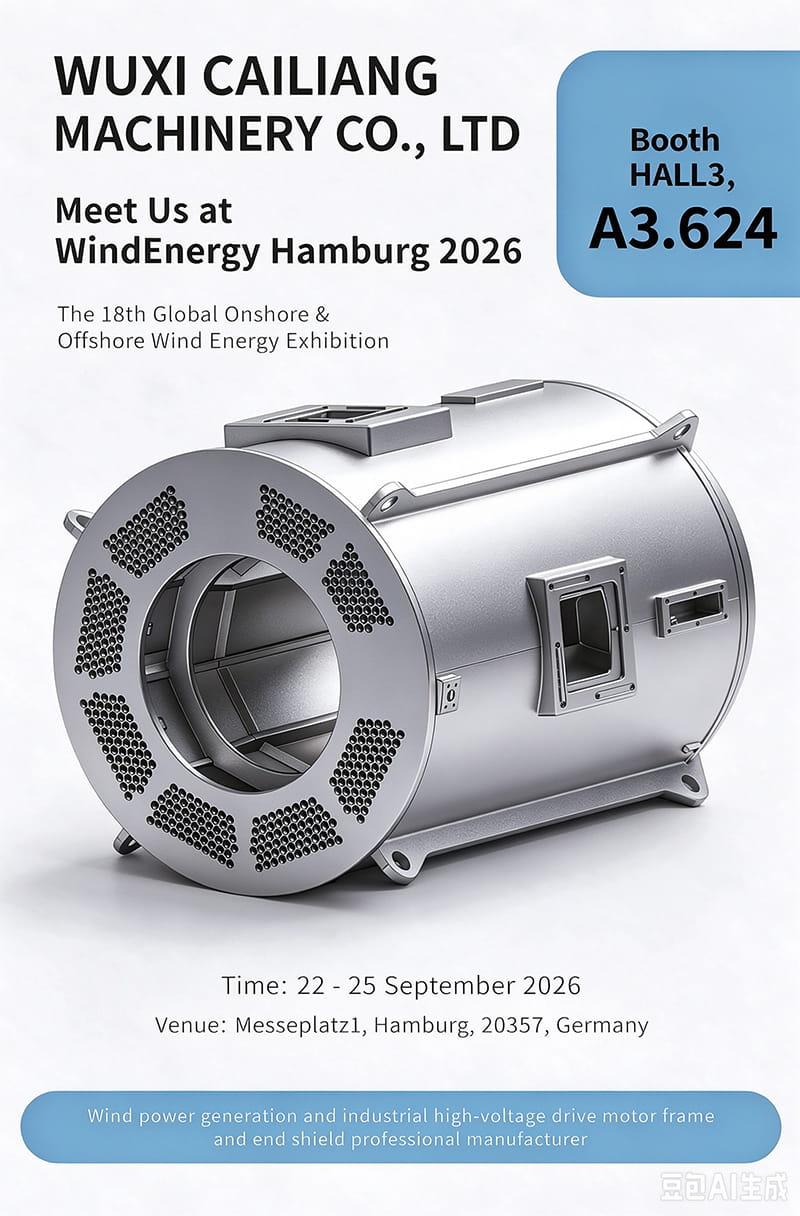
Industry knowledge
In modern power equipment, the performance of a transformer lamination core is strongly influenced by the grade and processing quality of electrical steel. Instead of focusing only on magnetic permeability, many transformer designers now prioritize core loss characteristics under real operating conditions. Grain-oriented silicon steel has become the dominant material in high-efficiency transformer cores because it provides low hysteresis loss when the magnetic flux follows the rolling direction of the steel sheet.
Transformer manufacturers often select electrical steel with thicknesses ranging from 0.23 mm to 0.30 mm. Thinner laminations significantly reduce eddy current losses, which are proportional to the square of lamination thickness. For example, reducing lamination thickness from 0.30 mm to 0.23 mm can reduce eddy current loss by more than 30 percent under similar operating conditions. However, thinner sheets also require more precise stamping and handling during production to avoid deformation and edge damage.
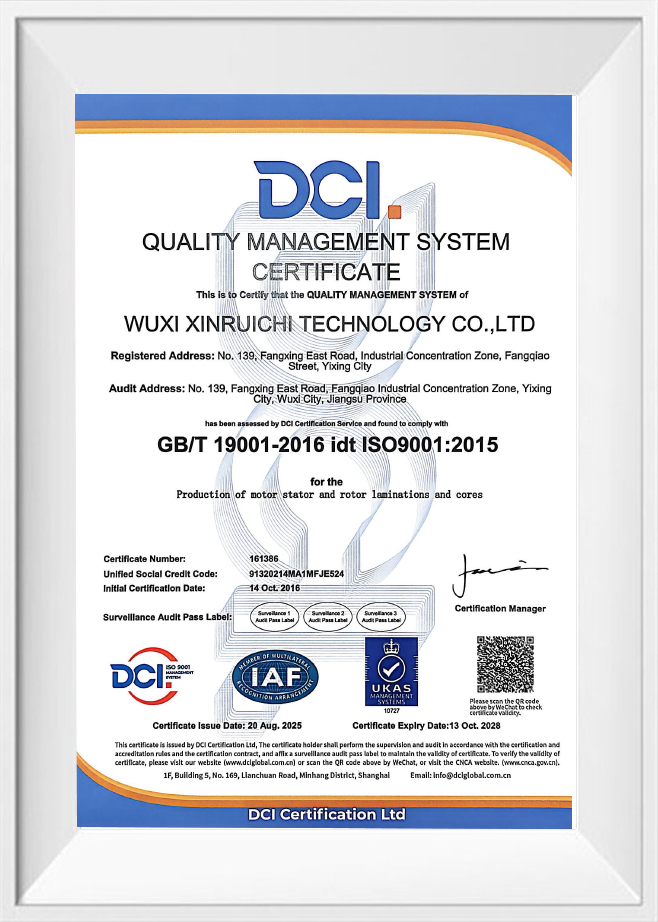
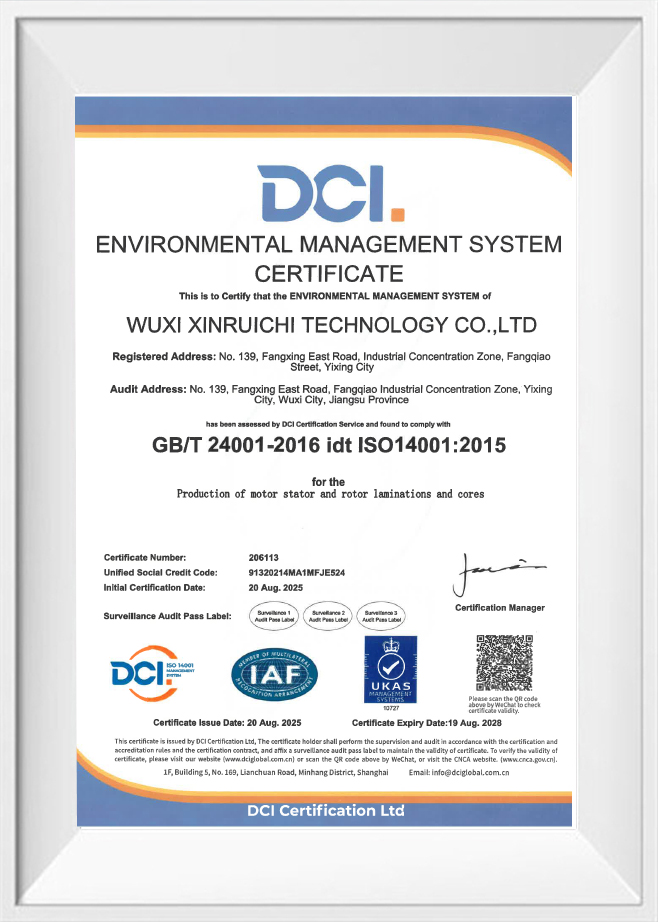
Companies engaged in electric punching and core manufacturing, such as Wuxi New Ruichi Technology Co., Ltd., focus on advanced processing technologies to maintain material integrity during lamination production. Their experience in electric motor laminations and core products provides a strong foundation for manufacturing transformer lamination cores used in industrial energy systems, renewable energy equipment, and power distribution infrastructure.
Core Step-Lap Design and Its Impact on Magnetic Flux Distribution
Step-lap core assembly is widely adopted in modern transformer lamination core structures to reduce magnetic flux discontinuities at joint locations. Traditional butt-joint core designs often create small air gaps where the laminations meet, leading to localized flux leakage and increased core loss. Step-lap construction solves this problem by overlapping lamination edges across multiple layers, creating a smoother magnetic transition path.
The number of step levels in a step-lap joint can vary depending on transformer capacity. Large power transformers may use five-step or seven-step lap configurations to improve magnetic continuity. This design helps reduce magnetizing current and improves overall transformer efficiency, especially in high-capacity distribution networks where transformers operate continuously for long periods.
Manufacturers involved in core production must maintain strict dimensional accuracy in lamination cutting and stacking to ensure proper alignment of step-lap joints. Automated cutting equipment and precision stamping technologies are therefore critical in maintaining consistency throughout large production batches.
Manufacturing Tolerances That Influence Transformer Core Loss
Small variations in lamination geometry can have measurable effects on transformer core performance. During the production of transformer lamination cores, several manufacturing tolerances must be carefully controlled to prevent excessive loss and noise generation. Burr formation at the edges of laminations is one of the most critical issues, as burrs may create unintended electrical connections between layers.
Maintaining tight control over lamination processing helps ensure stable electromagnetic behavior. Typical industrial tolerance targets are summarized below.
| Manufacturing Parameter |
Typical Target Value |
Effect on Core Performance |
| Burr height |
Below 0.03 mm |
Prevents inter-lamination electrical conduction |
| Lamination flatness |
Within tight stacking tolerance |
Maintains uniform magnetic path |
| Cutting angle precision |
Within ±0.1° |
Ensures proper step-lap alignment |
Advanced manufacturers increasingly rely on automated inspection systems to detect lamination defects before assembly. These inspection processes improve production consistency and reduce the risk of energy loss caused by imperfect lamination stacking.
Even with low core losses, transformer lamination cores still generate heat during continuous operation. Effective thermal management is therefore an important design consideration. The stacking structure of laminations influences how heat moves through the transformer core and eventually dissipates into surrounding cooling systems.
Engineers often design ventilation ducts or cooling channels within large transformer cores to improve heat dissipation. These ducts allow insulating oil or air to circulate through the core assembly, carrying heat away from areas with higher magnetic flux density. Without proper thermal management, localized heating can accelerate insulation aging and reduce the operational lifespan of the transformer.
Manufacturing consistency also plays a role in thermal behavior. Uneven lamination stacking may create areas with higher magnetic resistance, which can increase localized heat generation. Precision punching and core assembly processes help maintain uniform magnetic distribution and stable temperature performance during long-term operation.
Growing Role of Advanced Core Manufacturing in Energy and Electrification Systems
As global demand for electricity continues to grow, transformer efficiency has become increasingly important in reducing energy losses across power transmission and distribution networks. High-performance transformer lamination cores help improve overall system efficiency by minimizing magnetic losses during energy conversion.
Manufacturers involved in electric punching and laminated core production contribute significantly to this progress. Wuxi New Ruichi Technology Co., Ltd. focuses on the research, development, and manufacturing of electric punching and core products used in a wide range of industries, including new energy commercial vehicles, wind power generation, industrial automation, and rail transit systems.
Looking ahead, the company continues to expand its investment in research and development, promoting integrated innovation across AI technology, smart manufacturing systems, and green energy applications. By strengthening manufacturing precision and improving lamination core design capabilities, companies in this sector support the development of more efficient power equipment and smarter industrial energy infrastructure.

 en
en
 русский
 Deutsch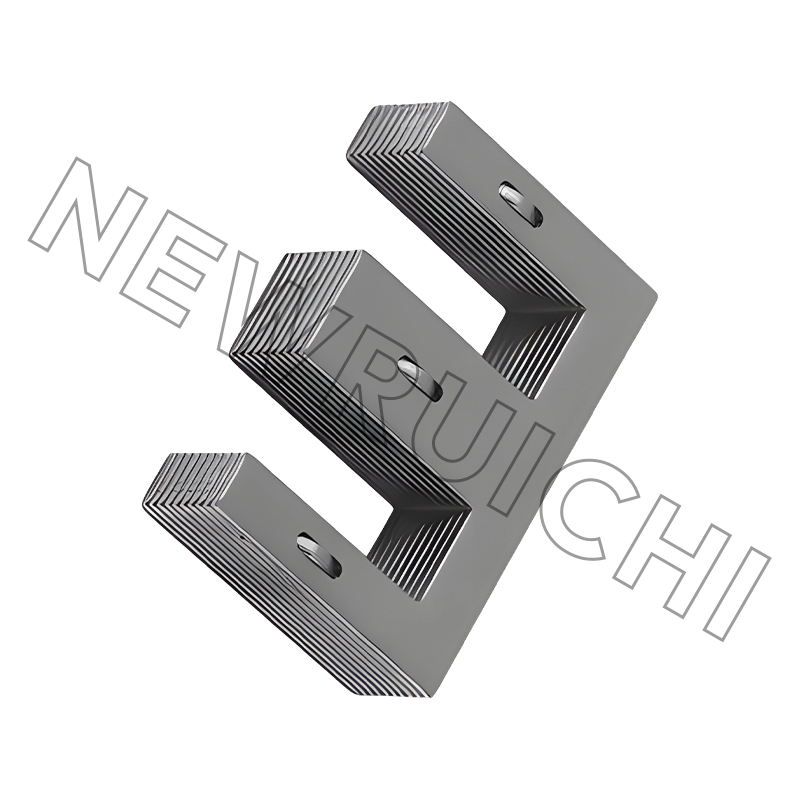



 Email:
  Telephone/Phone: