Industry knowledge
Precision Requirements in Motor Stator Core Manufacturing
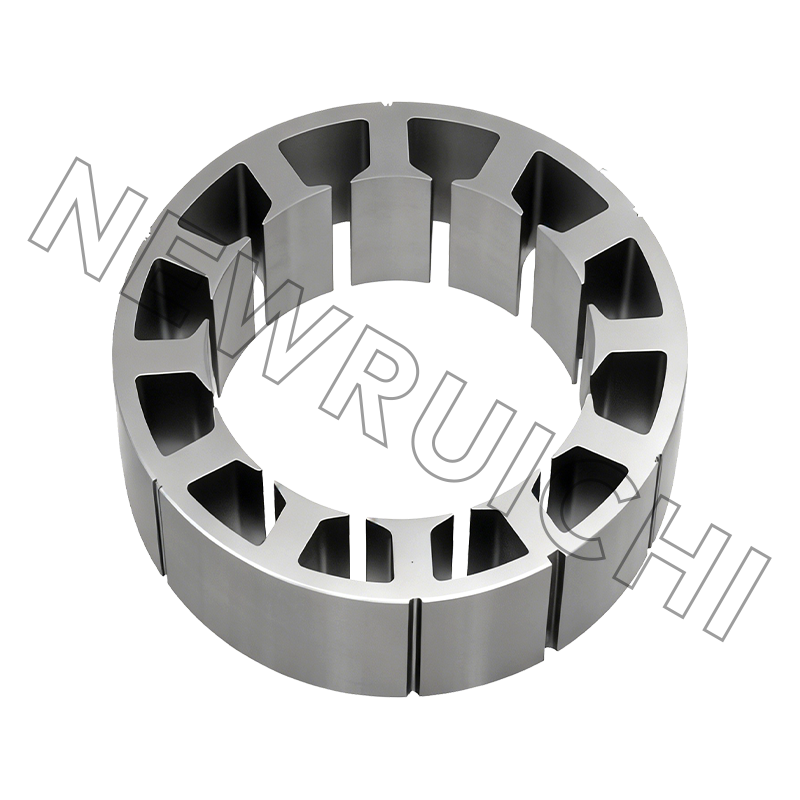
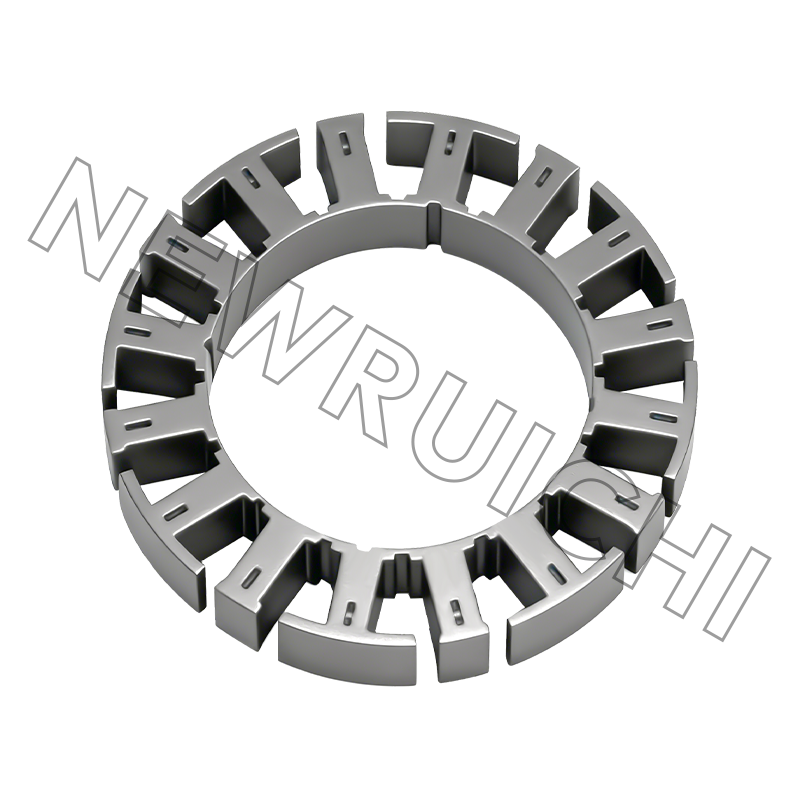
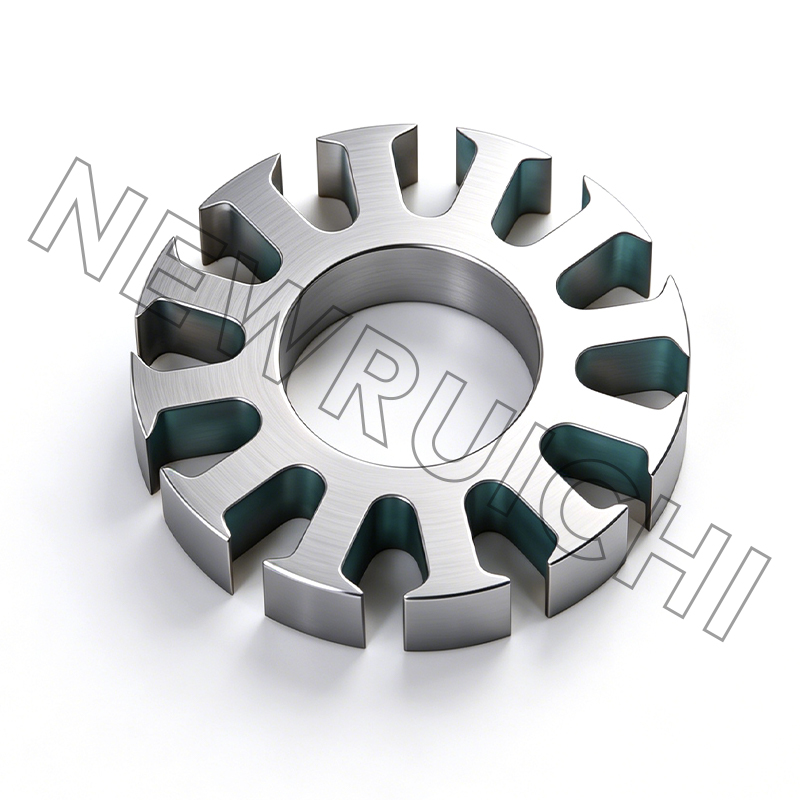
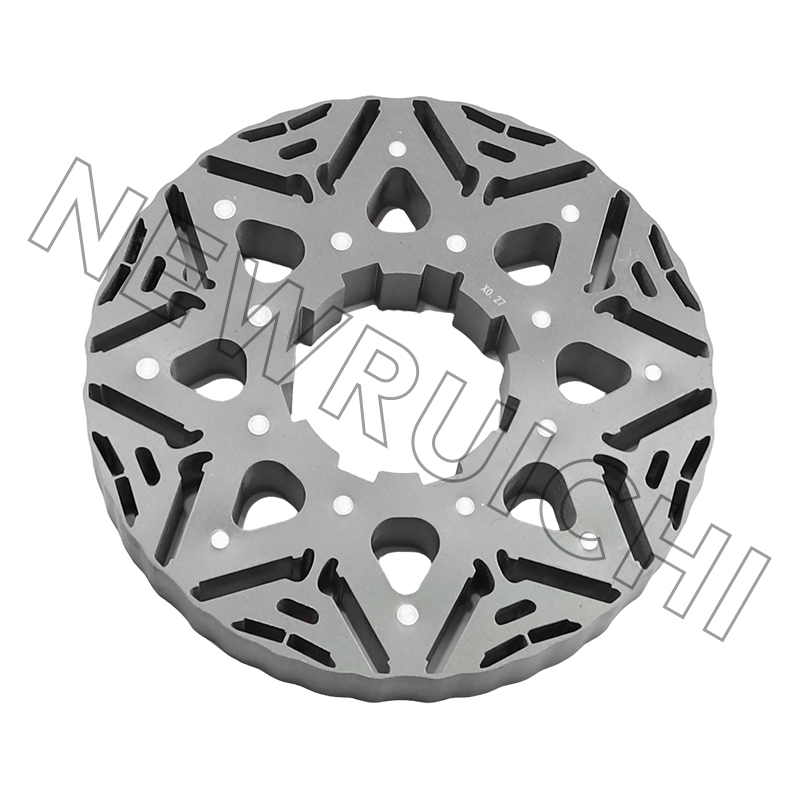
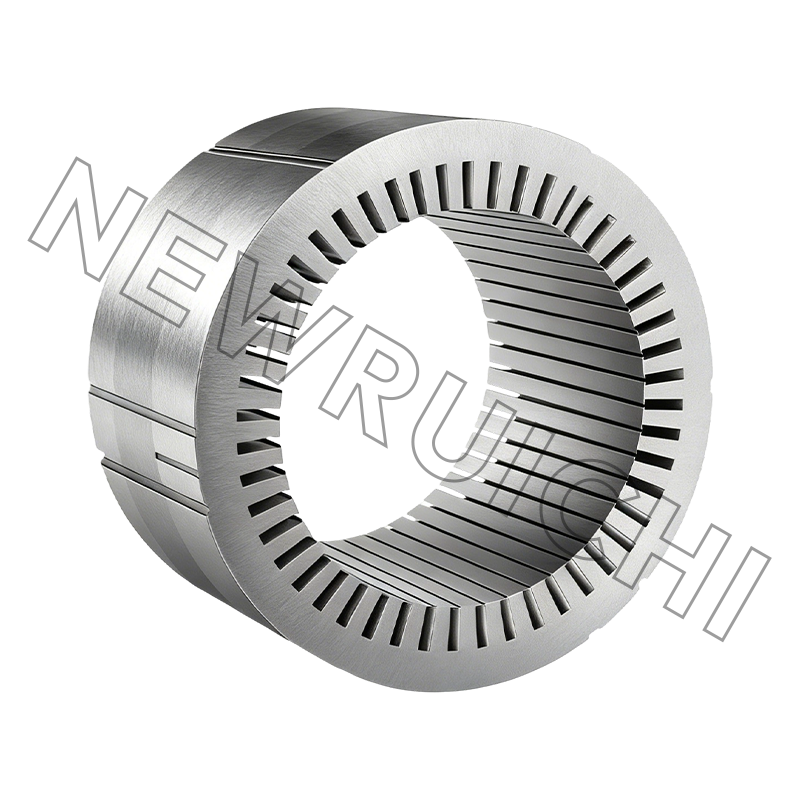
In high-efficiency electric motors, the dimensional precision of the motor stator core directly affects electromagnetic performance, vibration characteristics, and long-term operational stability. Small deviations in slot geometry, stacking alignment, or lamination flatness can lead to uneven magnetic flux distribution inside the stator. When magnetic flux density becomes unbalanced, localized heating may occur, which gradually reduces motor efficiency and shortens insulation life.
For traction motors used in new energy commercial vehicles, stator cores must maintain strict tolerances across thousands of laminations stacked together. High-speed electric punching processes are therefore essential to maintain consistent slot profiles and minimize burr formation. Burr height is typically controlled below 0.03 mm in many industrial manufacturing environments to prevent electrical bridging between laminations.
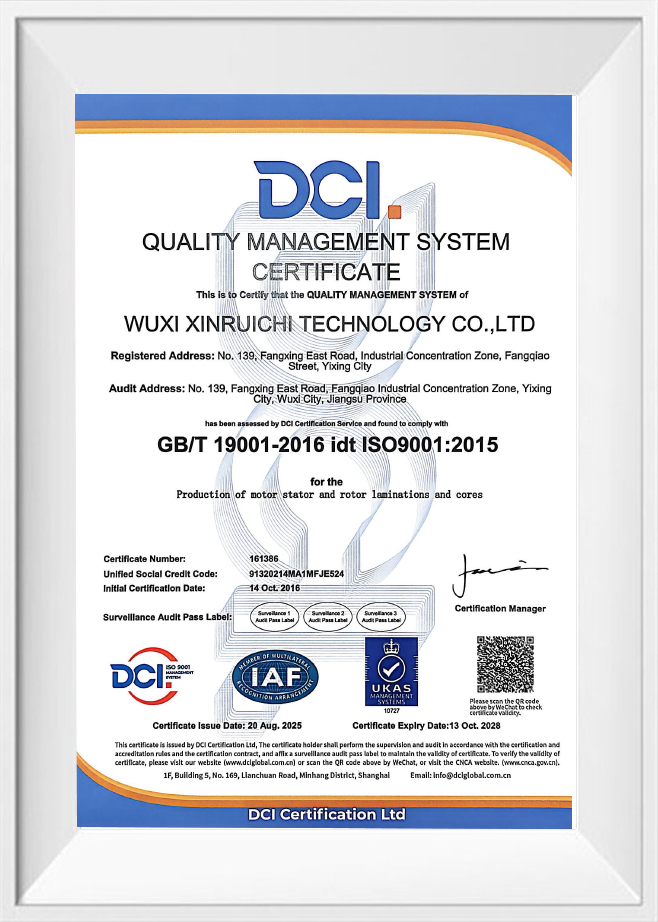
Wuxi New Ruichi Technology Co., Ltd. focuses on the research and manufacturing of electric punching and core products, applying advanced die design and automated production systems to ensure consistent lamination accuracy. This level of precision is particularly important for motors used in wind power generation, rail transit, and industrial automation equipment where long operating cycles and high load stability are required.
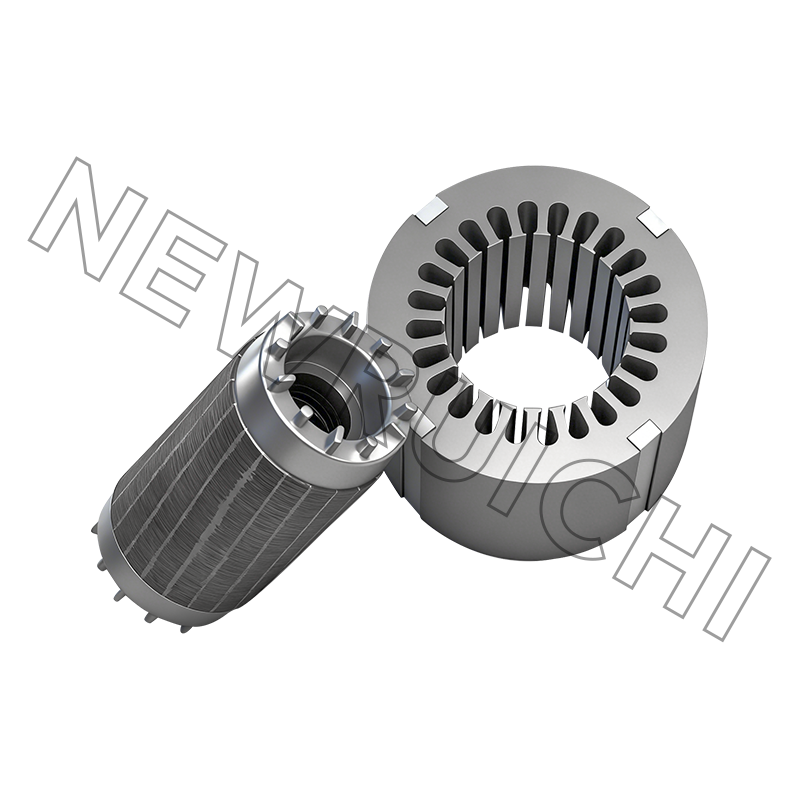
Reducing magnetic losses in the stator rotor core is one of the most effective ways to improve motor efficiency. Magnetic losses mainly consist of hysteresis loss and eddy current loss, both of which are closely related to the material properties and structural design of the laminated core. Modern motor designs increasingly rely on thinner electrical steel laminations and optimized slot geometry to control these losses.
For example, in high-speed electric motors operating above 10,000 rpm, lamination thickness is often reduced to 0.20 mm or 0.25 mm. Thinner laminations increase electrical resistance between layers, which limits eddy current formation. At the same time, improved coating technologies on electrical steel surfaces provide insulation between laminations without affecting magnetic permeability.
Manufacturers engaged in stator rotor core production must balance magnetic efficiency with mechanical strength. Thinner laminations improve electrical performance but require higher stamping precision and more advanced stacking technologies. Companies specializing in electric motor laminations, such as Wuxi New Ruichi Technology Co., Ltd., continue to invest in R&D to optimize these parameters for new energy and industrial applications.
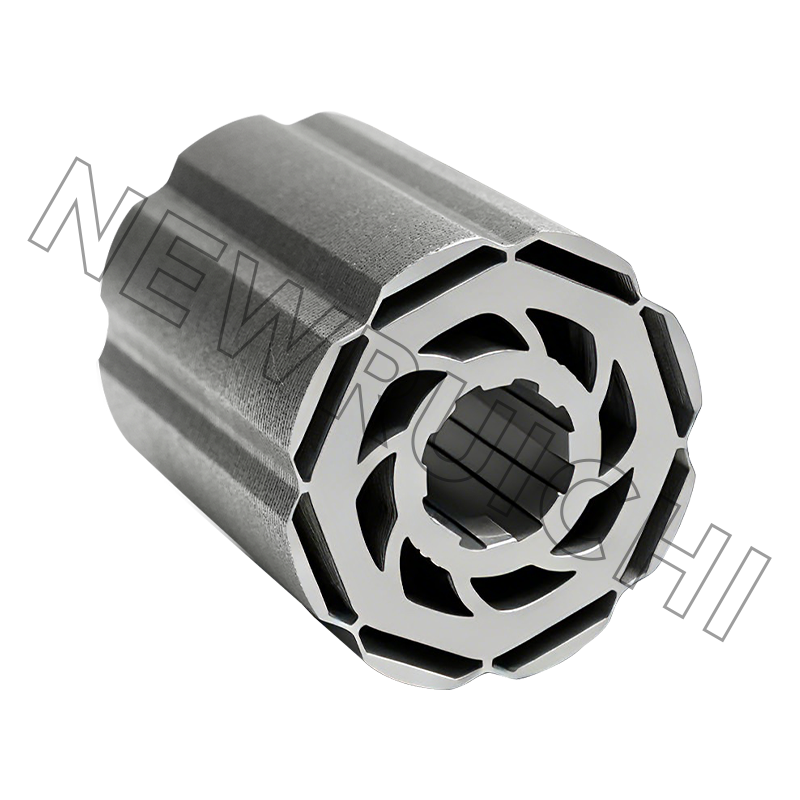
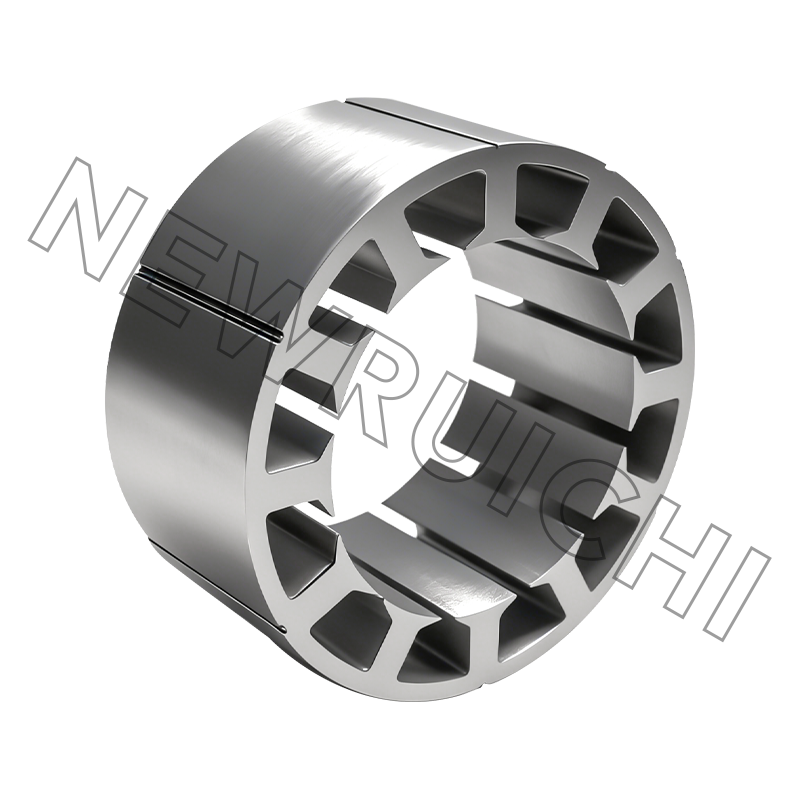
The structural integrity of a motor stator and rotor core depends heavily on how individual laminations are stacked and bonded. Different stacking techniques influence mechanical rigidity, noise performance, and thermal behavior of the motor. In high-speed or high-power motors, poor stacking methods can lead to vibration, uneven magnetic air gaps, and accelerated wear.
Several common stacking approaches are used in industrial motor production:
- Interlock stacking, where small mechanical tabs formed during stamping lock laminations together
- Adhesive bonding techniques that reduce vibration and improve structural stability
- Laser welding methods used for high-strength rotor core assemblies
- Segmented core assembly for large motors used in wind turbines
For large industrial motors, segmented stator core structures are sometimes adopted to simplify transportation and installation. These segments are assembled on-site to form a complete stator structure, allowing efficient manufacturing of large-diameter motors used in renewable energy equipment.
Material Grades Used in High-Performance Stator Rotor Core Applications
Electrical steel is the primary material used in stator rotor cores, but the specific grade chosen significantly affects motor efficiency and thermal performance. Silicon content within the steel increases electrical resistance and reduces eddy current losses. However, higher silicon content can also reduce mechanical strength, which means manufacturers must carefully select materials based on the operating environment.
| Electrical Steel Type |
Typical Thickness |
Key Performance Feature |
Typical Application |
| Non-oriented silicon steel |
0.35 mm |
Balanced magnetic properties |
Industrial motors and pumps |
| High-efficiency electrical steel |
0.30 mm |
Lower core loss |
Energy-saving motors |
| Ultra-thin electrical steel |
0.20–0.25 mm |
Reduced eddy current loss |
Electric vehicle traction motors |
The selection of electrical steel becomes even more important in motors used for high-speed industrial automation systems or energy-efficient equipment. Lower core losses translate directly into reduced heat generation and improved power density.
Growing Demand for Advanced Motor Stator and Rotor Core Technologies
Rapid development in electrification and renewable energy industries has significantly increased the demand for advanced motor stator core and rotor core manufacturing technologies. Electric drive systems used in new energy commercial vehicles require higher torque density, lower energy loss, and improved thermal management. Achieving these performance targets relies heavily on optimized stator and rotor core structures.
Wind power generation equipment is another sector that relies on high-quality motor cores. Large generators operate continuously under variable loads, and core losses directly affect overall power generation efficiency. Even small improvements in lamination quality or stacking precision can increase annual energy output in large wind turbines.
Wuxi New Ruichi Technology Co., Ltd. continues to expand its capabilities in electric punching and core manufacturing, supporting applications across new energy commercial vehicles, non-road mobile machinery, industrial energy-saving systems, and rail transit. Looking ahead, the company plans to increase R&D investment and promote integrated innovation combining AI, smart manufacturing, and green energy technologies. These developments aim to create more intelligent production workshops and maintain strong technological leadership in the electric motor lamination and core manufacturing industry.

 en
en
 русский
 Deutsch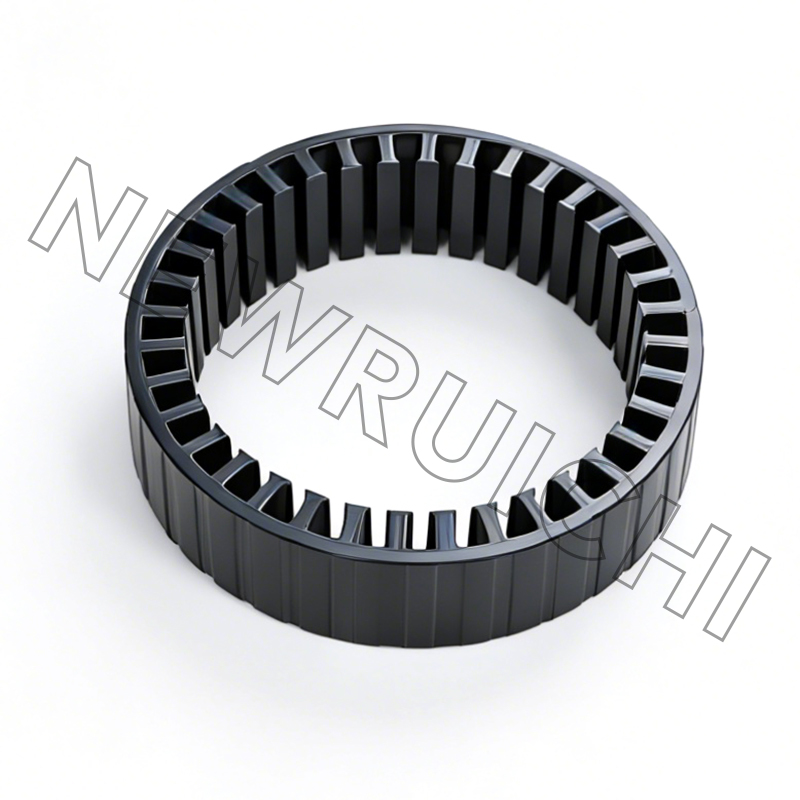



 Email:
  Telephone/Phone: