Industry knowledge
Why Lamination Stack Thickness and Stacking Factor Matter in EV Motor Cores
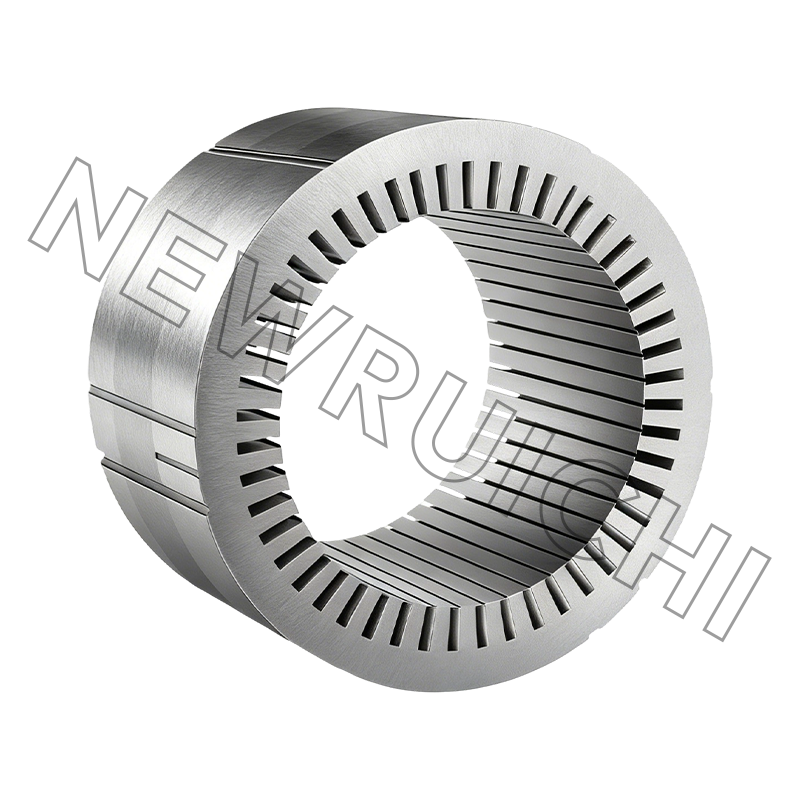
In electric vehicle motor stator and rotor cores, the silicon steel laminations are never perfectly solid — air gaps, surface irregularities, and insulation coatings between sheets reduce the effective magnetic cross-section. The stacking factor (fill factor) quantifies this, typically expressed as the ratio of actual magnetic material to total stack height.
For high-performance EV motor cores, a stacking factor of 0.95–0.98 is generally expected. A lower value increases magnetic reluctance, reduces flux density, and ultimately forces the motor designer to compensate with more copper — adding weight and cost.
Key factors that influence stacking factor:
- Lamination thickness — common choices for EV applications are 0.20 mm and 0.27 mm; thinner sheets reduce eddy current losses but require tighter process control
- Insulation coating type (C5 semi-organic vs. C6 fully organic) and its uniformity
- Stamping burr height — burrs above 0.02 mm noticeably degrade stacking quality
- Flatness and waviness of individual laminations after progressive die stamping
Our precision stamping lines maintain burr heights within strict tolerances across high-volume runs, supporting the stacking consistency that motor designers depend on when specifying energy vehicle motor stator and rotor cores.
Comparing Hairpin and Round-Wire Winding: What It Means for Stator Core Design
The ongoing industry shift from conventional round-wire winding to hairpin (rectangular conductor) winding has direct consequences for how EV motor cores are specified and manufactured. Procurement teams evaluating motor cores should understand these downstream effects.
| Parameter |
Round-Wire Winding |
Hairpin Winding |
| Slot fill factor |
~40–50% |
~70–80% |
| Slot geometry requirement |
More flexible |
Tight slot width tolerance (±0.02 mm typical) |
| Stator core slot surface finish |
Standard |
Higher — burrs risk conductor insulation damage |
| Thermal conductivity (winding to core) |
Lower |
Higher — benefits cooling design |
| Core manufacturing complexity |
Lower |
Higher — demands tighter die maintenance cycles |
Winding type comparison and its implications for EV motor stator core specifications
For buyers sourcing EV motor cores intended for hairpin stator assemblies, it is worth confirming that the core supplier's tooling maintenance intervals and slot dimensional inspection protocols are aligned with these stricter requirements — not simply repurposed from round-wire-era specifications.
Rotor Core Dynamic Balance and Its Impact on High-Speed EV Motor Reliability
Passenger EV drive motors routinely operate at 14,000–20,000 RPM, and some performance platforms push beyond that. At these speeds, even minor mass asymmetry in the rotor core translates into vibration forces that scale with the square of rotational speed — making dynamic balance a critical quality gate, not a finishing formality.
Sources of rotor core imbalance to control during manufacturing:
- Lamination blanking consistency — variation in punched slot and magnet pocket geometry shifts the mass centroid
- Stack height uniformity — uneven lamination thickness distribution creates axial mass offset
- Adhesive or welding joint symmetry — asymmetric bonding material adds localised mass
- Bore concentricity after stacking — deviations from nominal bore axis directly cause residual unbalance
Industry practice for high-speed EV rotor cores typically requires residual specific unbalance of ≤ 1 g·mm/kg (Grade G1 per ISO 21940). Buyers should request balance grade certification as part of the incoming inspection package, particularly for cores destined for performance passenger vehicles or electric mining trucks where rotor mass is substantial. Our EV motor core products for both passenger vehicle and heavy-duty mining truck platforms are produced with this high-rotation reliability requirement in mind.
Interlocking vs. Welding vs. Gluing: Choosing the Right Lamination Bonding Method
How individual silicon steel laminations are held together in an electric vehicle motor core affects magnetic performance, mechanical integrity, and downstream assembly options. The three dominant methods each involve meaningful trade-offs.
Interlocking (Clinching / Stitch Lamination)
Tabs punched from one lamination engage recesses in the next during progressive stamping. This is cost-efficient and enables high throughput, but the local plastic deformation increases iron losses by 5–15% in the clinch zone due to stress-induced permeability degradation. Suitable where cost drives the decision and peak efficiency is less critical.
Laser or TIG Welding
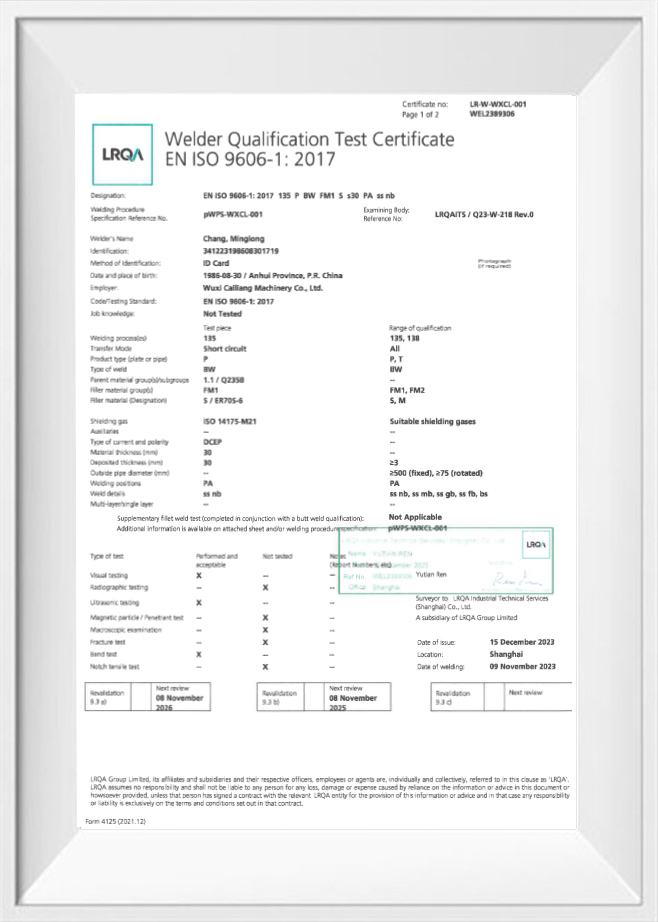
Weld seams along the outer diameter or keyways provide robust mechanical bonding. The heat-affected zone introduces residual stress and degrades the magnetic properties of adjacent laminations. Weld bead placement and penetration depth need tight control. Common in applications where structural rigidity and vibration resistance outweigh marginal efficiency gains.
Self-Bonding (Backlack / Adhesive Coating)
Laminations pre-coated with thermosetting adhesive are stacked and cured under heat and pressure. This method avoids mechanical stress concentrations entirely, delivering the lowest iron loss among the three options and excellent dimensional stability. It is increasingly preferred for high-efficiency EV motor cores targeting peak efficiency above 96%. The trade-off is higher material cost and the requirement for a controlled curing process.
When specifying an energy vehicle motor stator and rotor core, aligning the bonding method with the motor's operating duty cycle and efficiency targets — rather than defaulting to the lowest unit price — typically yields better total system value. We support all three bonding methods and can advise on the most appropriate approach based on your application requirements.

 en
en
 русский
 Deutsch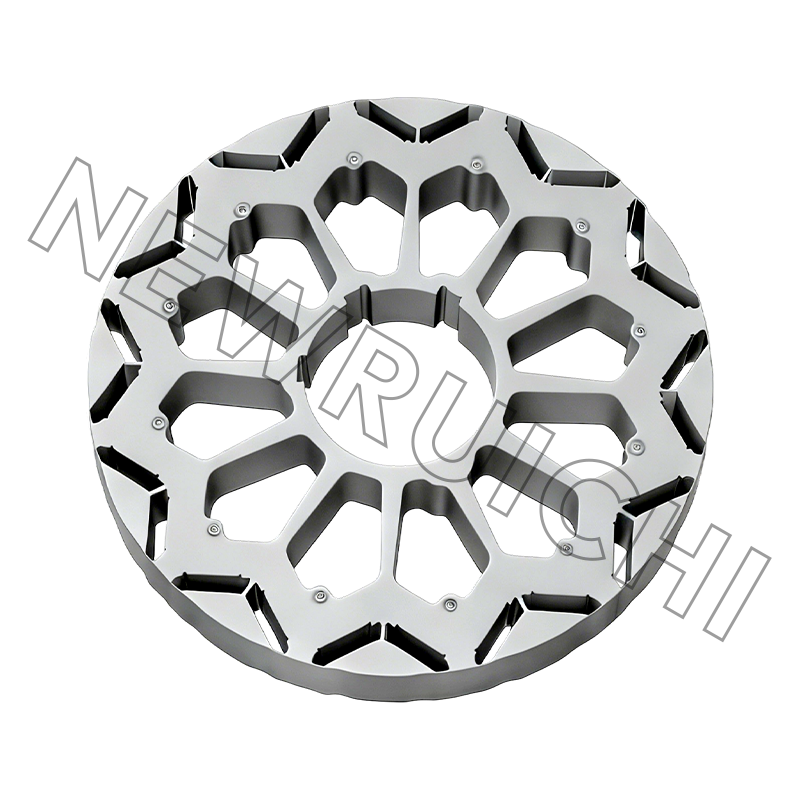


 Email:
  Telephone/Phone:
