 en
en
 русский
 Deutsch
How Do Finished Motor Core Assemblies Improve Efficiency and Production Consistency in Modern Electric Drive Systems?
Content
- 1 Why Finished Motor Core Assemblies Matter in Modern Electric Drive Systems
- 2 Reducing Core Loss Through Controlled Manufacturing Processes
- 3 Improving Air Gap Uniformity and Torque Stability
- 4 Enhancing Production Consistency in High-Volume Manufacturing
- 5 Supporting High-Speed and High-Efficiency Motor Designs
- 6 Quality Assurance and Long-Term Reliability
Why Finished Motor Core Assemblies Matter in Modern Electric Drive Systems
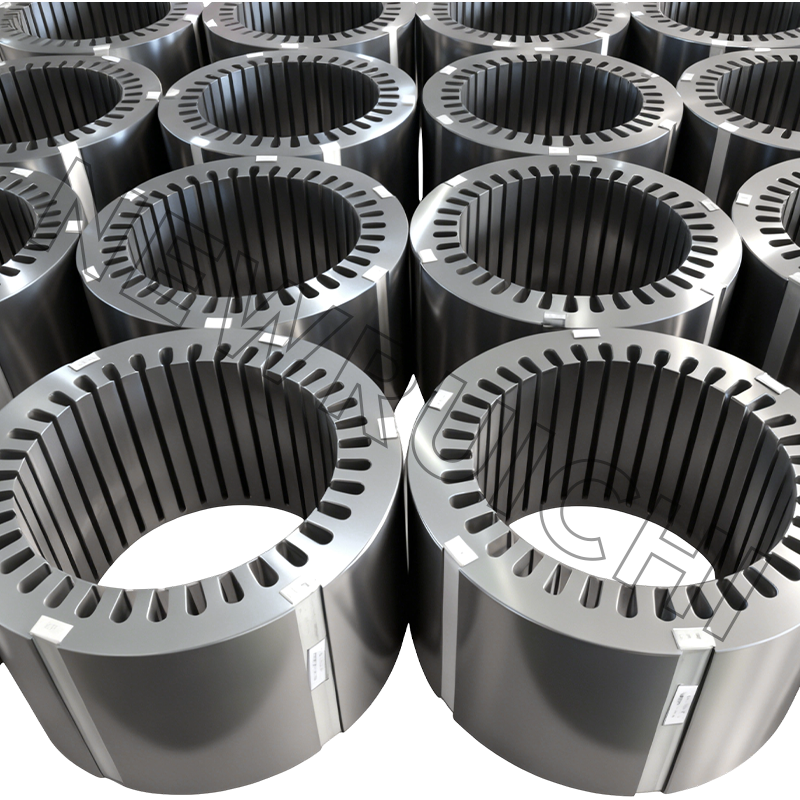
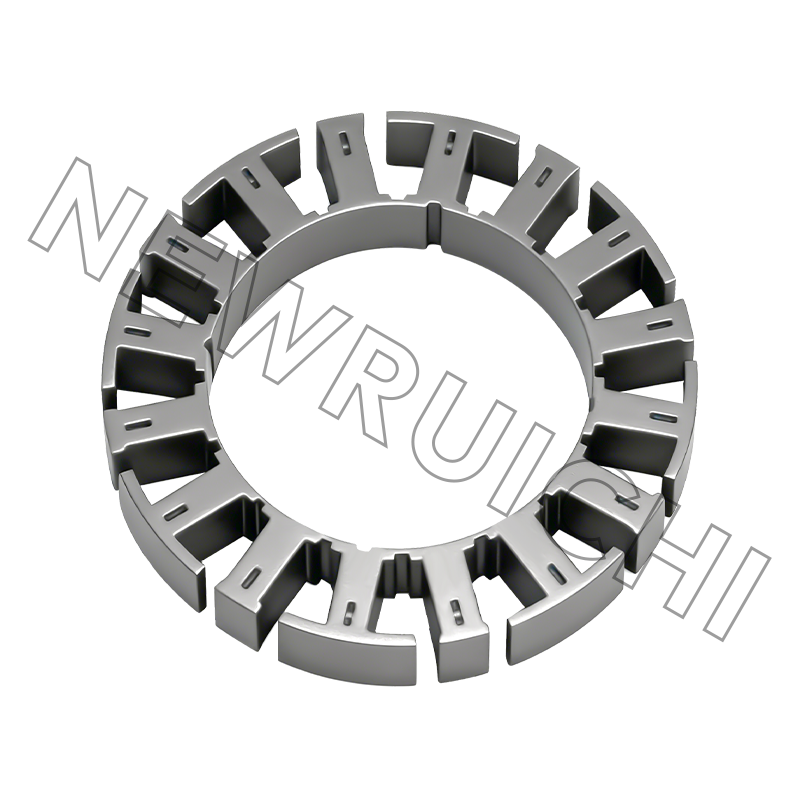
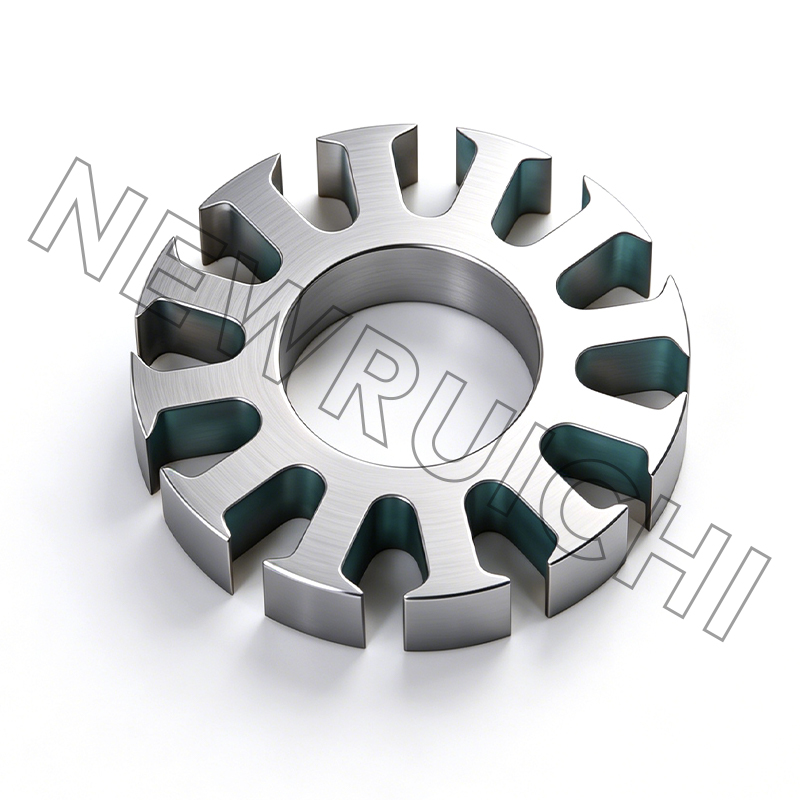
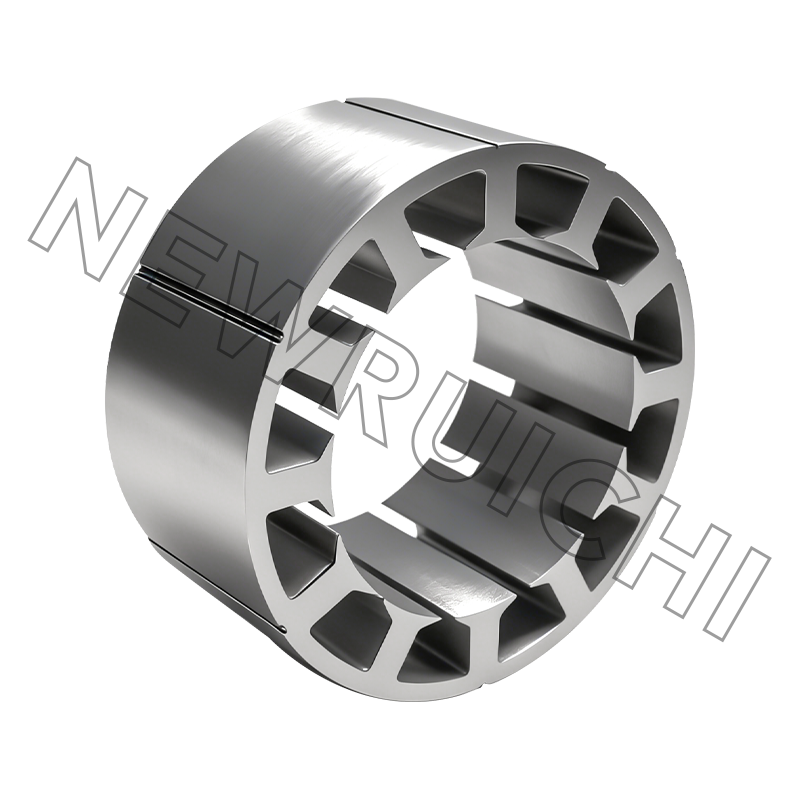
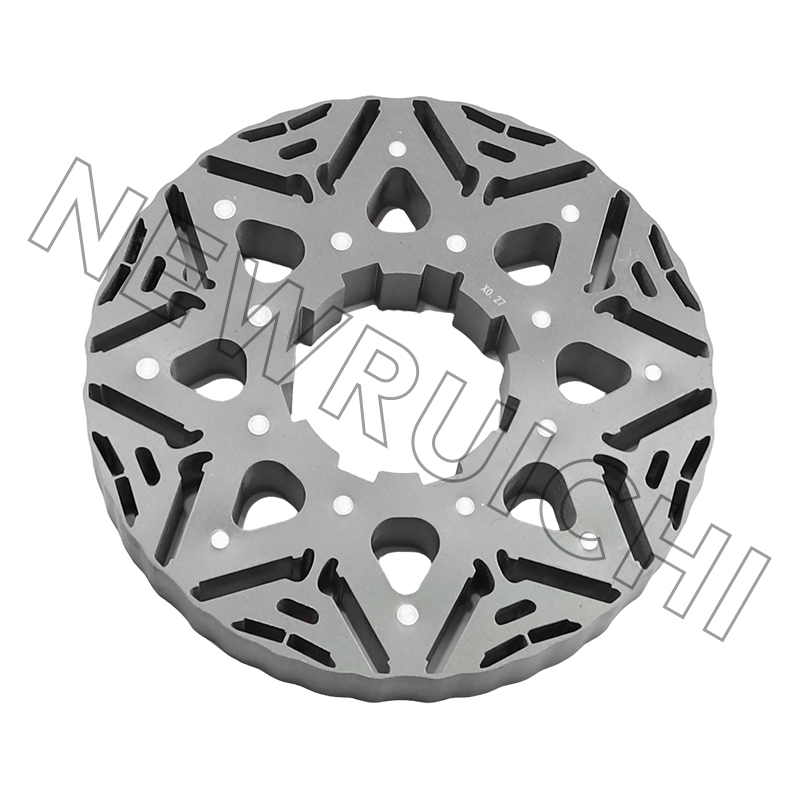
Finished Motor Core Assemblies have become a strategic component in modern electric drive systems, especially in applications such as electric vehicles, industrial automation, rail transit, and renewable energy equipment. Unlike loose laminations that require additional stacking, alignment, and fastening processes, Finished Motor Core Assemblies are delivered as fully processed, bonded, or welded magnetic core units ready for integration into stator or rotor systems. This shift from semi-finished parts to complete assemblies directly impacts electromagnetic performance, dimensional accuracy, and manufacturing repeatability.
In high-volume production environments, consistency is often more valuable than incremental performance gains. Finished Motor Core Assemblies reduce variability introduced during manual stacking or in-house bonding, ensuring that each motor unit begins with a stable magnetic foundation. As inverter frequencies increase and efficiency standards tighten, small geometric deviations in core assemblies can significantly affect torque ripple, acoustic noise, and heat generation.
Reducing Core Loss Through Controlled Manufacturing Processes
One of the primary efficiency advantages of Finished Motor Core Assemblies lies in controlled lamination stacking and bonding techniques. During traditional loose lamination stacking, inconsistent pressure or misalignment may create micro-gaps between sheets, increasing magnetic reluctance and eddy current loss. Finished Motor Core Assemblies are typically produced using interlocking, welding, bonding varnish, or self-bonding coating processes under controlled pressure, which minimizes air gaps and preserves insulation integrity.
Precise control of stacking factor directly influences flux density distribution. A higher stacking factor improves magnetic conductivity while maintaining insulation between laminations. In high-speed motors operating above 10,000 rpm, even a 1–2% variation in stacking factor can alter iron loss distribution and raise operating temperatures. By delivering calibrated Finished Motor Core Assemblies, manufacturers ensure predictable electromagnetic behavior under load.
Manufacturing Controls That Improve Efficiency
- Uniform stacking pressure to prevent interlaminar gaps.
- Laser welding or bonding processes that minimize additional magnetic loss.
- Post-assembly annealing to relieve stamping stress and restore magnetic properties.
- Automated dimensional inspection to maintain tight air gap tolerances.
Improving Air Gap Uniformity and Torque Stability
Air gap uniformity is critical for torque density and vibration control. Finished Motor Core Assemblies are typically machined or ground after stacking to achieve precise inner and outer diameter tolerances. This ensures concentricity between stator and rotor cores, reducing magnetic imbalance. In electric drive systems where inverter switching frequencies generate harmonic flux components, even minor eccentricity can amplify noise and reduce efficiency.
By supplying pre-machined Finished Motor Core Assemblies, manufacturers eliminate secondary distortion that may occur during downstream handling. Controlled geometry results in improved torque stability, reduced cogging torque, and better compatibility with high-performance winding insertion systems.
| Parameter | Loose Laminations | Finished Motor Core Assemblies |
| Stacking Accuracy | Operator dependent | Process controlled |
| Air Gap Consistency | Variable | High precision |
| Production Efficiency | Multiple assembly steps | Direct integration |
Enhancing Production Consistency in High-Volume Manufacturing
Modern electric drive systems demand scalable production with strict quality traceability. Finished Motor Core Assemblies simplify the supply chain by consolidating stamping, stacking, bonding, and inspection into a single validated process. This reduces the number of internal handling steps for motor manufacturers and lowers the risk of cumulative dimensional deviations.
Automation compatibility is another advantage. Robotic winding lines and automatic insertion machines require predictable slot dimensions and burr control. Finished Motor Core Assemblies typically undergo burr height control below 0.02 mm, protecting insulation layers during high-speed coil insertion. Consistent geometry reduces downtime caused by rework or misalignment.
Operational Benefits for OEM Manufacturers
- Reduced assembly labor and floor space requirements.
- Shorter production cycles and faster time-to-market.
- Improved traceability through batch-level quality documentation.
- Lower scrap rates due to standardized core geometry.
Supporting High-Speed and High-Efficiency Motor Designs
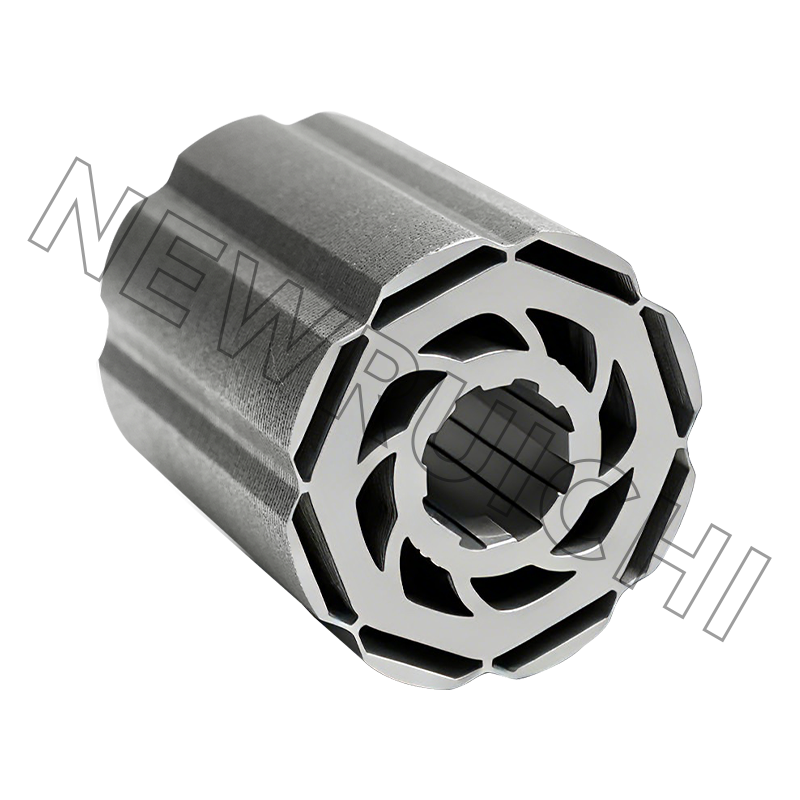
As electric drive systems evolve toward higher speeds and compact architectures, structural integrity of the rotor core becomes increasingly important. Finished Motor Core Assemblies can incorporate advanced joining technologies such as laser welding or adhesive bonding that enhance mechanical strength without significantly increasing magnetic loss. This is particularly important in high-speed traction motors and aviation-related applications.
In addition, integrated skewing during the stacking process can reduce torque ripple and electromagnetic noise. By embedding skew angles directly into Finished Motor Core Assemblies, manufacturers eliminate additional machining steps and preserve alignment accuracy. This structural precision contributes to stable operation across varying load conditions.
Quality Assurance and Long-Term Reliability
Long-term motor reliability depends on stable magnetic performance and mechanical rigidity. Finished Motor Core Assemblies undergo comprehensive inspection procedures including dimensional scanning, insulation resistance testing, and core loss sampling. These quality control measures ensure that each assembly meets predefined performance criteria before integration.
Thermal expansion compatibility between rotor core and shaft is also evaluated to prevent interference fit loosening under temperature fluctuations. By standardizing Finished Motor Core Assemblies production under controlled environmental and process conditions, manufacturers reduce the risk of in-field failures linked to mechanical imbalance or magnetic degradation.
In summary, Finished Motor Core Assemblies play a crucial role in enhancing efficiency and production consistency in modern electric drive systems. Through controlled lamination stacking, precision machining, and integrated quality assurance, these assemblies reduce core loss, improve air gap uniformity, and streamline high-volume manufacturing. As performance expectations continue to rise, the adoption of Finished Motor Core Assemblies will remain a practical and constructive strategy for achieving both electromagnetic optimization and industrial scalability.
Your email address will not be published. Required fields are marked *


 Email: [email protected]
[email protected]
 Telephone/Phone:
+86-18861576796 +86-18261588866
Telephone/Phone:
+86-18861576796 +86-18261588866
+86-15305731515 +86-18861576796
Copyright © Wuxi New Ruichi Technology Co., Ltd. / Wuxi Cailiang Machinery Co., Ltd. All rights reserved.
Stator And Rotor Cores Manufacturers
