Stator cores are formed by stacking and assembling stator laminations. As the core component of a motor's magnetic circuit, they dominate the conversion process of electrical energy into mechanical en...
READ MOREMaximized space utilization
No separate foundation required; installed directly on the main engine shaft line, occupying no additional hull space.
Approximately 30% smaller in volume and 35% lighter than conventional electrically excited motors.
Particularly suitable for vessels with limited engine-room space (e.g., container ships, oil tankers, bulk carriers).
High efficiency and energy savings
Directly harnesses rotational energy from the main engine shaft line, reducing fuel consumption by more than 10% and lowering carbon emissions.
Permanent-magnet motor efficiency is over 5% higher than traditional motors, reaching above 97% under certain operating conditions.
Reduces the required capacity of onboard standalone diesel generator sets, extending their service life.
Simplified, reliable structure
Bearingless design eliminates bearing-related failure points, enabling maintenance-free or low-maintenance operation and improving reliability.
Integrated structure provides high rigidity and strong impact resistance, suitable for harsh marine operating conditions.
High coaxiality between stator and rotor results in low vibration and noise, extending equipment lifespan.
Easy installation
No need to replace existing shaft bearing supports or modify the shafting; directly fitted onto the intermediate shaft.
Uses an expansion sleeve and interference fit with the flange to achieve non-destructive clamping of the stern shaft bearing.
Applicable to more than 95% of vessel types, reducing the need for customized designs.
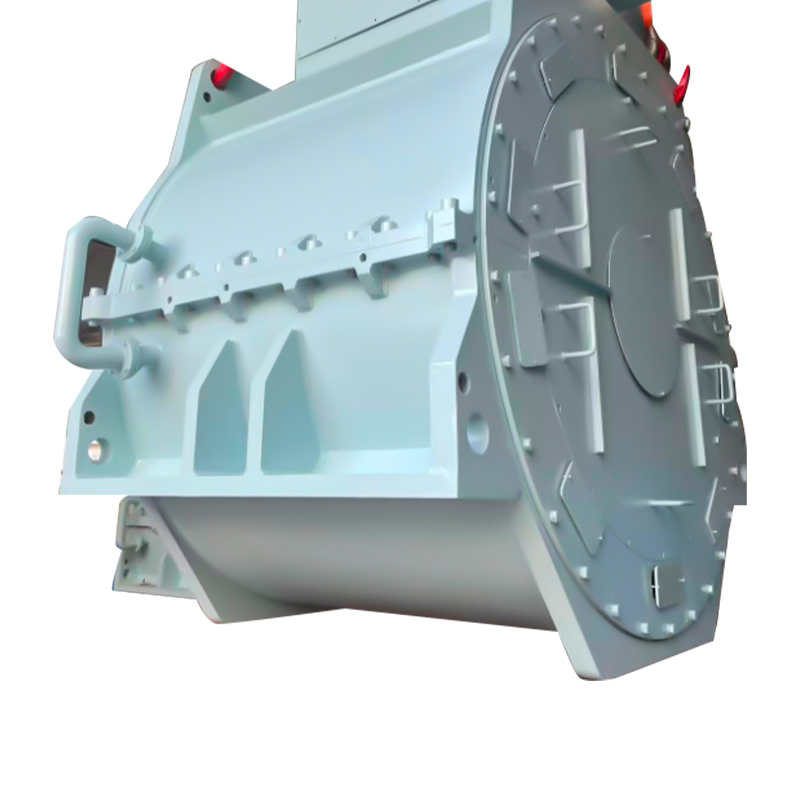
The integrated shaft-clamping marine permanent-magnet water-cooled machine base represents a high-efficiency integration trend in marine propulsion systems. By combining a shaft-clamping architecture with an optimized water-cooling system, it delivers three key breakthroughs—“zero additional space requirement + high-efficiency heat dissipation + improved energy efficiency”—and is particularly well suited to modern vessels’ stringent requirements for space, energy performance, and reliability.
Stator cores are formed by stacking and assembling stator laminations. As the core component of a motor's magnetic circuit, they dominate the conversion process of electrical energy into mechanical en...
READ MOREAs the critical carriers for energy conversion in motors, the performance of stator laminations, rotor laminations, and stator cores directly affects motor energy efficiency and operational stability....
READ MOREStator laminations are the key fundamental components constituting the stator core of a motor. Their core function is to form the motor's magnetic circuit and ensure the efficient conversion of electr...
READ MORE