 en
en
 русский
 Deutsch
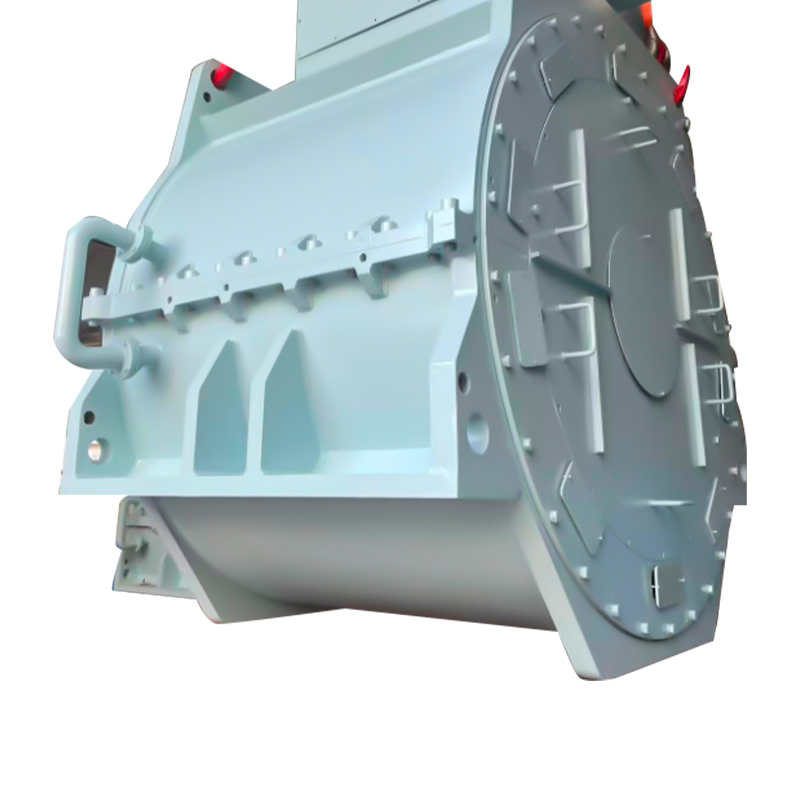
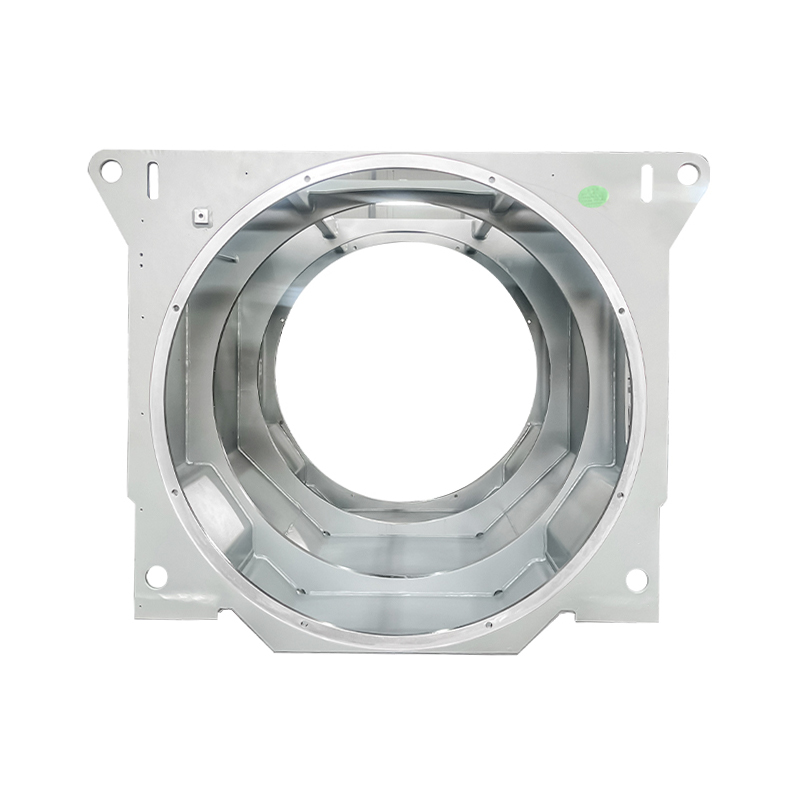
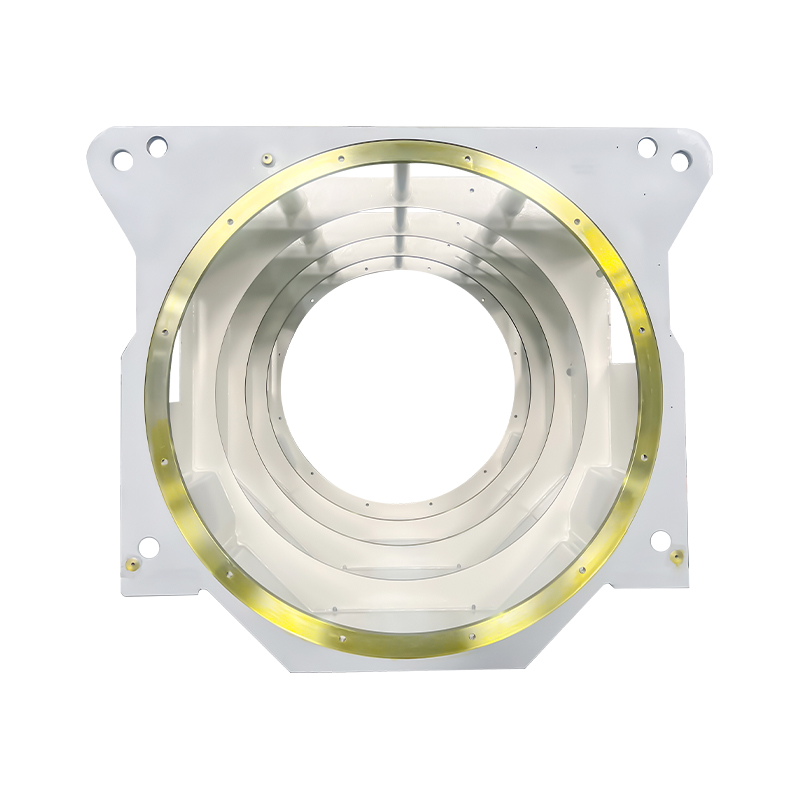
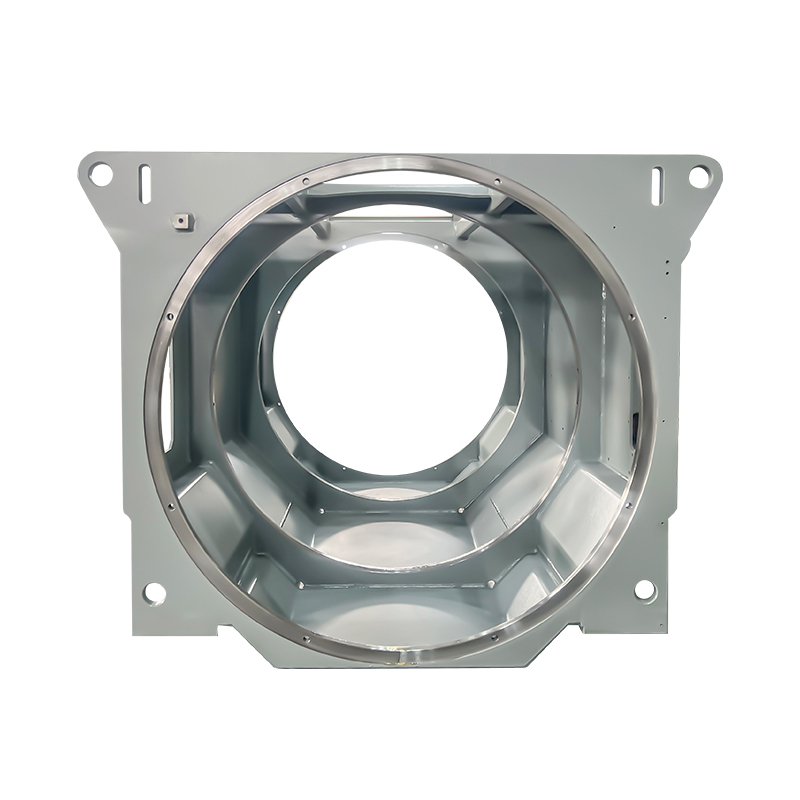
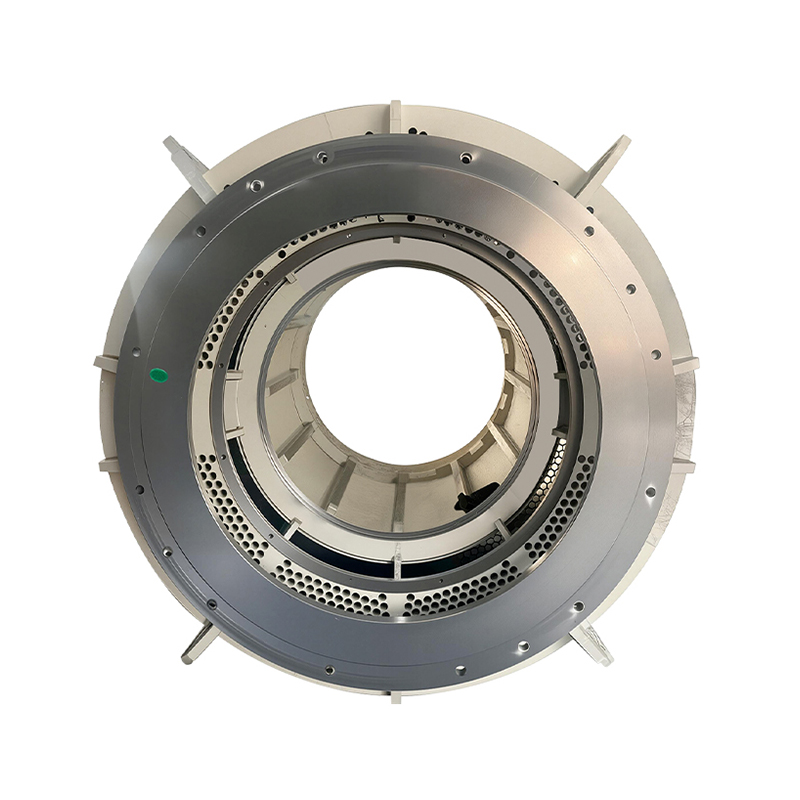
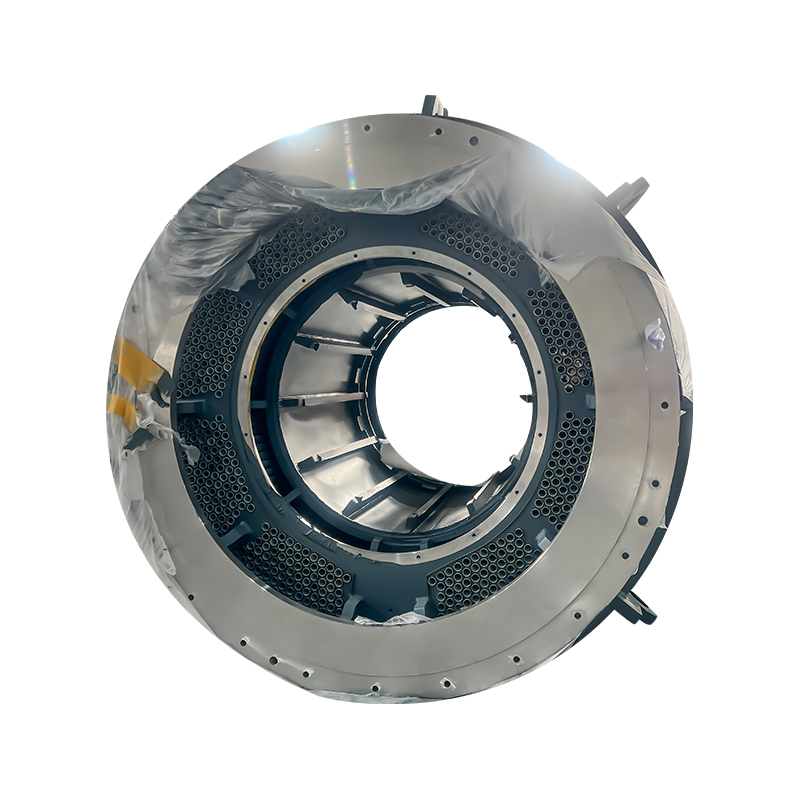
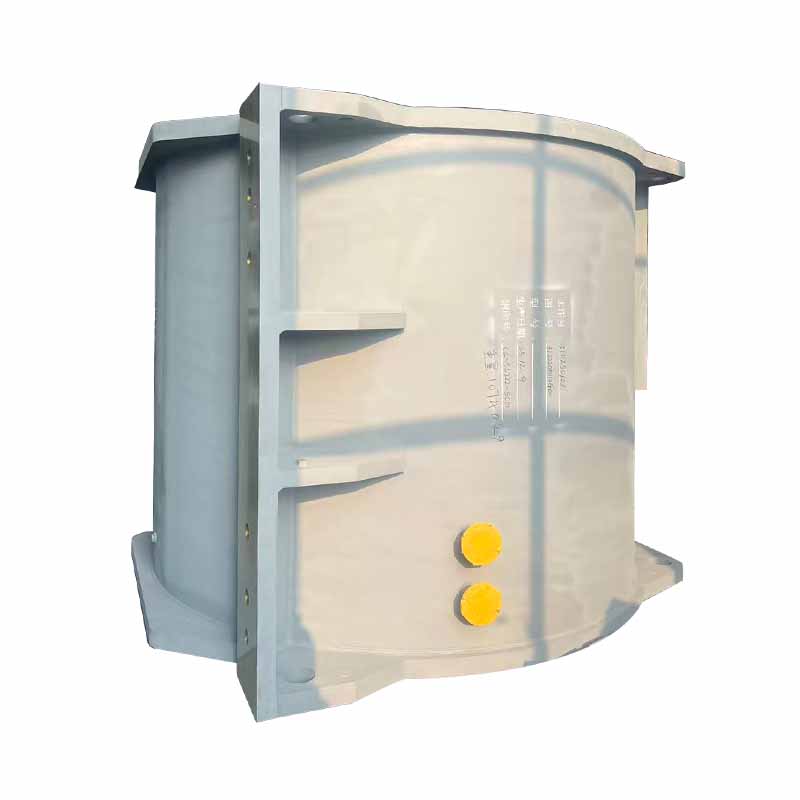
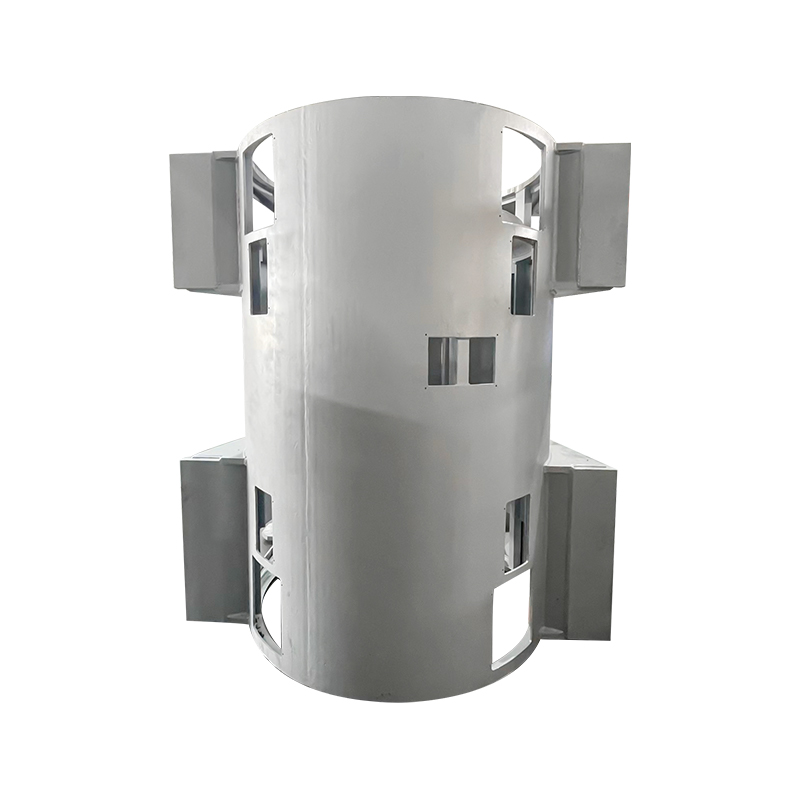
Shaft-Clamping Marine PM Water-Cooled Machine Base: 97% Efficiency, Zero Extra Space
Content
- 1 Redefining Marine Propulsion Architecture
- 2 Space Optimization Through Shaft Integration
- 3 Energy Recovery and Efficiency Gains
- 4 Structural Reliability and Maintenance Philosophy
- 5 Installation Practicality and Vessel Compatibility
- 6 Thermal Management Through Integrated Water Cooling
- 7 Comparative Performance Summary
- 8 Strategic Implications for Modern Fleet Operations
Redefining Marine Propulsion Architecture
The marine industry faces a critical challenge: how to increase propulsion efficiency without consuming the limited engine-room space that modern vessels desperately need. The integrated shaft-clamping marine permanent-magnet water-cooled machine base answers this challenge through an elegant mechanical integration strategy. Rather than treating the motor as a standalone component requiring its own footprint, this design philosophy treats the propulsion shaft line itself as the structural backbone of the motor system.
By clamping directly onto the intermediate shaft, this machine base eliminates the traditional motor housing, bedplate, and separate foundation requirements. The shaft becomes the rotor, or the rotor becomes the shaft—depending on how you view the integration. This architectural inversion is what enables the dramatic space and weight reductions that make this technology transformative for vessels where every cubic meter of engine room space carries a direct economic cost.
Space Optimization Through Shaft Integration
Conventional marine motors demand dedicated foundation structures, alignment procedures, and clearance zones that consume valuable hull volume. The integrated shaft-clamping marine permanent-magnet water-cooled machine base removes these requirements entirely by leveraging the existing shafting infrastructure. Installation occurs directly on the main engine shaft line, meaning no additional hull space is occupied beyond what the shafting already requires.
The dimensional advantages are substantial and measurable. Compared to conventional electrically excited motors of equivalent power output, this integrated configuration achieves approximately 30% reduction in overall volume and 35% reduction in total weight. These are not marginal improvements—they represent fundamental shifts in how propulsion machinery can be arranged within a vessel's hull.
For vessel categories where engine-room space constraints directly impact cargo capacity or operational flexibility, these reductions carry significant commercial implications. Container ships maximizing TEU capacity, oil tankers optimizing cargo tank volumes, and bulk carriers seeking efficient machinery arrangements all benefit from a propulsion solution that adds power without adding footprint. The technology is particularly suitable for vessels with limited engine-room space, where traditional motor installations would force compromises in machinery layout or require hull enlargement.
Energy Recovery and Efficiency Gains
The efficiency story of the integrated shaft-clamping marine permanent-magnet water-cooled machine base operates on two levels: energy recovery from the main propulsion system and intrinsic motor efficiency advantages. The direct mechanical coupling to the main engine shaft line enables the system to harness rotational energy that would otherwise remain unutilized for electrical generation purposes. This direct energy harvesting approach reduces overall fuel consumption by more than 10% while simultaneously lowering carbon emissions—a dual benefit that aligns with both operational cost reduction and environmental compliance objectives.
The permanent-magnet motor topology contributes additional efficiency advantages over traditional electrically excited designs. Permanent-magnet motor efficiency exceeds traditional motor performance by over 5%, with certain operating conditions enabling efficiency levels above 97%. This efficiency differential stems from the elimination of rotor winding losses and the improved magnetic field characteristics that permanent-magnet configurations provide.
A consequential operational benefit emerges in the reduction of required capacity for onboard standalone diesel generator sets. When the shaft-mounted system can supplement or replace traditional generator functions during appropriate operational modes, the diesel generators experience reduced duty cycles. This reduced loading extends their service life, defers capital replacement timelines, and reduces the maintenance burden associated with auxiliary power generation equipment.
Structural Reliability and Maintenance Philosophy
Marine operating environments impose severe demands on mechanical systems: vibration, salt exposure, thermal cycling, and shock loads from sea states create conditions that challenge conventional designs. The integrated shaft-clamping marine permanent-magnet water-cooled machine base addresses these challenges through structural simplification rather than complication.
Bearingless Design Eliminates Critical Failure Points
The most significant structural departure from conventional motor design is the bearingless configuration. Traditional motors incorporate dedicated bearing systems—ball bearings, roller bearings, or sleeve bearings—that represent primary failure modes requiring periodic inspection, lubrication, and replacement. By eliminating these bearing-related failure points entirely, the integrated shaft-clamping design enables maintenance-free or low-maintenance operation. The shaft's existing bearing supports assume the mechanical load-bearing functions, while the motor's electromagnetic components operate without mechanical wear interfaces.
Integrated Structure for Marine Harsh Conditions
The monolithic integration of motor components into the shaft-clamping architecture provides high rigidity and strong impact resistance. Unlike conventional motors where the stator housing, end bells, and mounting feet create multiple structural interfaces with potential loosening or fatigue issues under cyclic loading, the integrated structure presents a unified mechanical entity. This unified construction is suitable for harsh marine operating conditions where shock and vibration would otherwise degrade mechanical integrity over time.
The manufacturing precision achievable with this integrated approach yields high coaxiality between stator and rotor assemblies. This precise alignment results in low vibration and noise characteristics during operation, which extends equipment lifespan by reducing mechanical fatigue and improves the working environment for engine-room personnel. The reduced acoustic signature also contributes to compliance with increasingly stringent maritime noise regulations.
Installation Practicality and Vessel Compatibility
One of the most compelling operational advantages of the integrated shaft-clamping marine permanent-magnet water-cooled machine base is the minimal disruption required for installation. The design philosophy explicitly avoids the need to replace existing shaft bearing supports or modify the shafting geometry. This constraint-preserving approach means that retrofit installations on operating vessels become feasible without the extensive shaft line re-engineering that conventional motor upgrades would necessitate.
The mechanical interface employs an expansion sleeve and interference fit with the flange to achieve non-destructive clamping of the stern shaft bearing. This clamping methodology provides secure mechanical retention without welding, keyways, or other permanent modifications to the shaft material. The non-destructive nature preserves shaft integrity and enables future removal or repositioning if operational requirements change.
The broad applicability of this installation approach is noteworthy. The system is applicable to more than 95% of vessel types, which dramatically reduces the need for customized designs that would otherwise extend delivery timelines and increase engineering costs. This standardization benefit enables manufacturers to maintain inventory and shipyards to plan installations with predictable timelines and resource requirements.
Thermal Management Through Integrated Water Cooling
High-efficiency permanent-magnet motors generate concentrated thermal loads that require effective dissipation to maintain performance and prevent demagnetization of permanent-magnet materials. The water-cooled machine base integrates the cooling system into the structural housing rather than treating thermal management as an afterthought. This integration ensures that cooling channels are optimally positioned relative to heat sources, eliminating the thermal interface resistances that plague externally mounted cooling systems.
The marine environment provides an abundant cooling medium in the form of seawater, and the integrated water-cooling system is designed to leverage this resource efficiently. The cooling circuit architecture prevents galvanic corrosion through material selection and cathodic protection integration, while the flow path design ensures uniform temperature distribution across the stator windings and magnet assemblies. This thermal uniformity prevents localized hot spots that could degrade insulation or alter magnetic properties.
Comparative Performance Summary
The following comparison illustrates the operational advantages relative to conventional marine motor configurations:
| Parameter | Integrated Shaft-Clamping Marine Permanent-Magnet Water-Cooled Machine Base | Conventional Electrically Excited Motor |
| Volume Reduction | ~30% smaller | Baseline |
| Weight Reduction | ~35% lighter | Baseline |
| Fuel Consumption Impact | >10% reduction | No direct impact |
| Motor Efficiency | >97% (certain conditions) | ~92-94% |
| Bearing Maintenance | Eliminated | Required |
| Shaft Modification Required | No | Often yes |
| Vessel Applicability | >95% of vessel types | Case-by-case |
Strategic Implications for Modern Fleet Operations
The integrated shaft-clamping marine permanent-magnet water-cooled machine base represents more than an incremental product improvement—it embodies a high-efficiency integration trend in marine propulsion systems that redefines the relationship between propulsion machinery and hull architecture. By combining a shaft-clamping architecture with an optimized water-cooling system, this technology delivers three key breakthroughs that address the most pressing operational constraints facing contemporary vessel operators.
The first breakthrough is the zero additional space requirement. In an industry where cargo capacity directly correlates with revenue potential, propulsion systems that consume no additional hull volume create immediate economic value. The second breakthrough is high-efficiency heat dissipation, enabled by the integrated water-cooling system that maintains optimal thermal conditions without external cooling equipment. The third breakthrough is improved energy efficiency, achieved through both the permanent-magnet motor topology and the direct shaft energy harvesting capability.
Together, these characteristics make the system particularly well suited to modern vessels' stringent requirements for space, energy performance, and reliability. As environmental regulations tighten and fuel costs remain volatile, the operational economics of this integrated approach become increasingly compelling. For shipowners evaluating propulsion upgrades or newbuild specifications, the technology offers a pathway to compliance and cost reduction without the space penalties that traditionally accompanied efficiency improvements.
The convergence of mechanical integration, permanent-magnet efficiency, and intelligent thermal management in a single system demonstrates how marine engineering can advance through architectural innovation rather than merely scaling conventional approaches. The integrated shaft-clamping marine permanent-magnet water-cooled machine base stands as a practical realization of this principle, providing vessel operators with a solution that respects the spatial constraints of existing hulls while delivering the performance levels demanded by modern maritime operations.
Your email address will not be published. Required fields are marked *



 Email: [email protected]
[email protected]
 Telephone/Phone:
+86-18861576796 +86-18261588866
Telephone/Phone:
+86-18861576796 +86-18261588866
+86-15305731515 +86-18861576796
Copyright © Wuxi New Ruichi Technology Co., Ltd. / Wuxi Cailiang Machinery Co., Ltd. All rights reserved.
Stator And Rotor Cores Manufacturers
