 en
en
 русский
 Deutsch
How to Choose an Electric Motor: Torque, Speed, Duty Cycle and Efficiency
Eight months after a water treatment plant fitted a replacement 22 kW motor to its main transfer pump, the motor began tripping on overload. The replacement was the same frame size and claimed higher efficiency, so nobody suspected the drive until the starting current was measured: the pump needed a high breakaway torque at every restart, and the new motor's torque curve dipped just below that requirement during acceleration.
That pattern explains why motor selection is a load-matching exercise, not a power-sizing one. The right motor is the unit whose torque-speed curve, duty rating, enclosure, efficiency class, and component quality all fit the application. Price and delivery become secondary once these conditions are met.
Core conclusion: Define the load profile first (torque curve, duty cycle, inertia), then the supply and environment (voltage, starting method, IP rating, cooling), then the efficiency class and frame size. Finally, audit what the nameplate does not show: lamination grade, core stacking method, insulation system, and the supplier's quality controls.
Content
- 1 Start with the Torque-Speed Envelope, Not the Horsepower
- 2 Electric Motor Types Compared by Application Fit
- 3 The Hidden Metric: Core Loss and Lamination Quality
- 4 How the Application Shifts the Selection Priority
- 5 A Practical Selection Workflow and Return on Investment
- 6 Maintenance and Compliance Considerations
Start with the Torque-Speed Envelope, Not the Horsepower
The first question is not how many kilowatts, but what torque the load requires at every point of its cycle. A centrifugal pump needs low starting torque and follows a cubic load curve. A conveyor needs high starting torque and constant torque across a narrow speed range. A press demands short bursts of high peak torque. An induction motor delivers rated torque only near its rated speed, while a permanent magnet synchronous motor (PMSM) or brushless DC motor holds torque flat over a much wider speed range. Select the motor before mapping the load curve and you are guessing.
Torque Requirements
Compare locked-rotor, pull-up, breakdown, and running torque against the load requirement. Leave headroom for voltage dips, because available torque falls by roughly the square of the voltage drop.
Duty Cycle
IEC duty classes S1 (continuous) and S3 (intermittent) cover most industrial work. A motor rated for S1 can serve in S3, but the reverse is unsafe: an intermittent-rated motor overheats quickly under continuous load.
Supply and Starting Method
Confirm voltage, frequency, and phase before anything else. If a variable frequency drive (VFD) will feed the motor, specify inverter-rated insulation to survive dv/dt spikes, and verify that cooling stays adequate at low speeds.
Enclosure and Cooling
Match the IP rating to the environment: IP55 in dusty plants, IP66 or IP67 for washdown areas, and corrosion-protected versions for marine duty. Self-ventilated IC411 suits constant speed; separately forced IC416 cooling suits VFD operation at low speed.
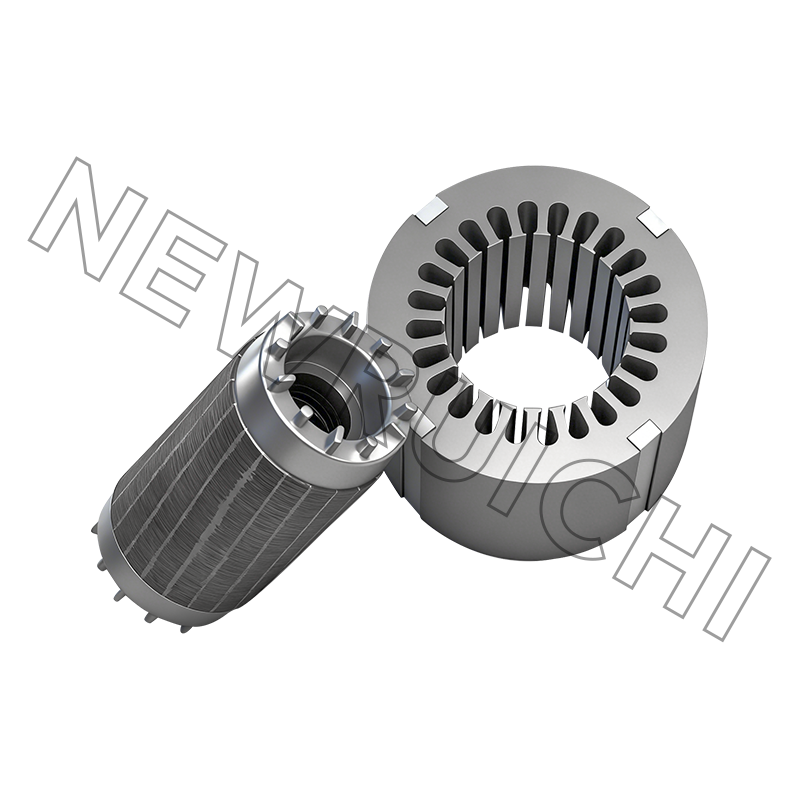
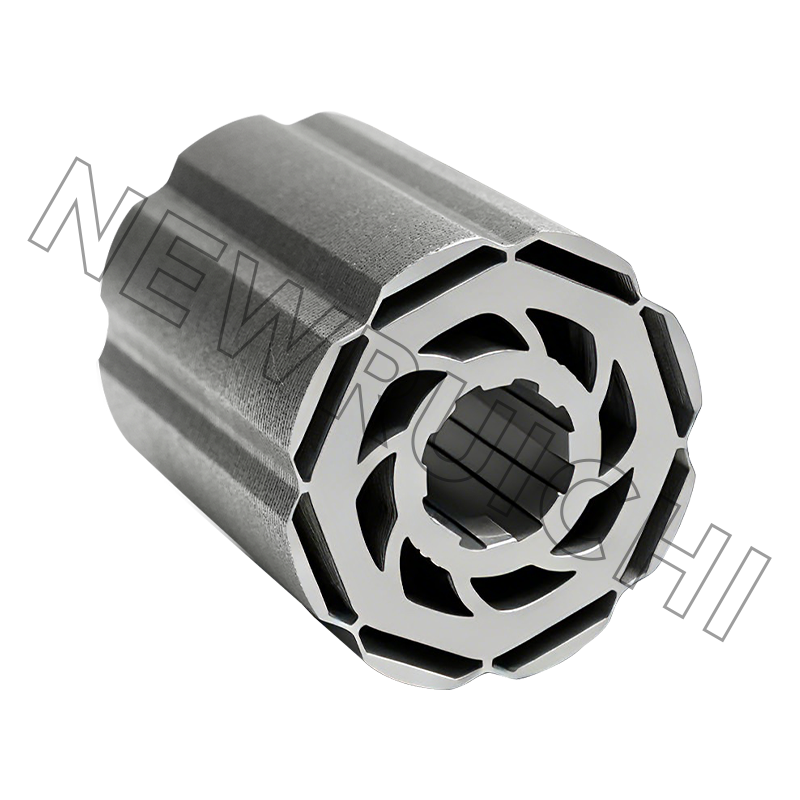
For AC induction machines, the practical differences between suppliers usually sit in the core: lamination material, stacking quality, and dimensional consistency. A well-built AC motor stator and rotor core assembly reduces vibration and iron loss before the motor even reaches the test bench.
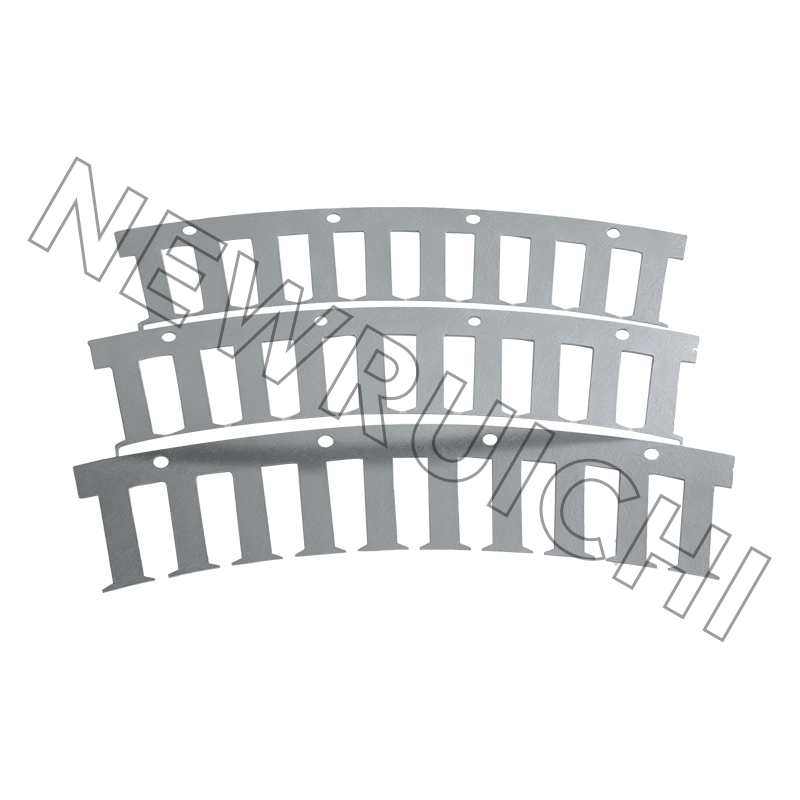 AC Motor Stator and Rotor Core Assembly Suppliers, Company - Wuxi New Ruichi TecAs AC Motor Stator and Rotor Core Assembly Suppliers and Company in China, New Ruichi/Cailiang offer Wholesale AC Motor Stator and Rotor ...View Product →
Electric Motor Types Compared by Application Fit
Once the load profile is known, the motor technology choice narrows quickly. The comparison below covers the five families that dominate industrial machine design.
The Hidden Metric: Core Loss and Lamination Quality
Two motors with identical ratings, frames, and efficiency classes can still run at noticeably different temperatures. The reason is usually the stator and rotor core. Core loss, also called iron loss, is generated inside the laminations every time the magnetic field alternates. It rarely appears on a datasheet, yet it is the second-largest loss block in most motors.
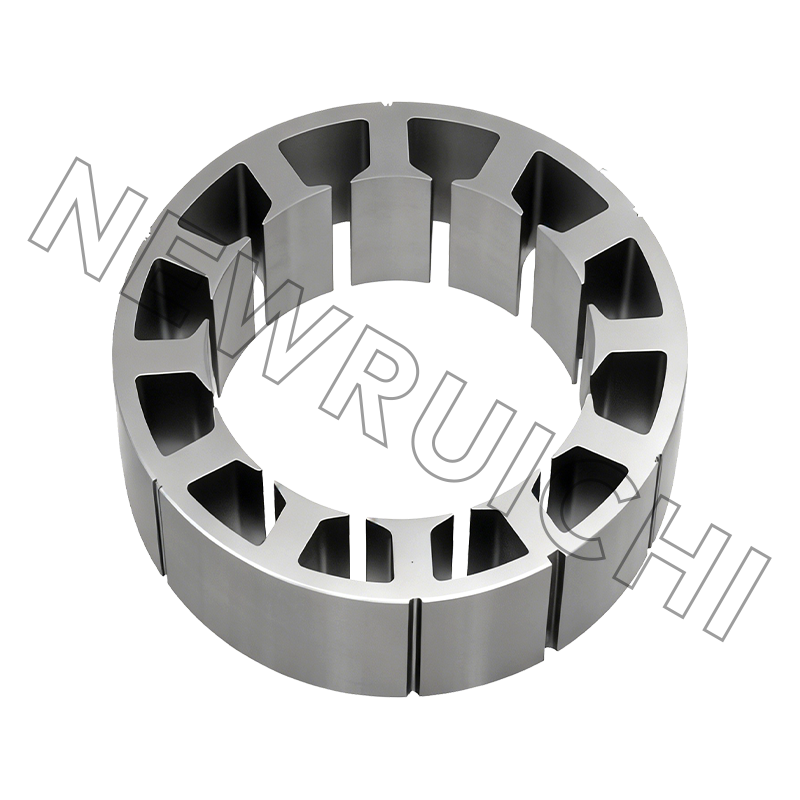
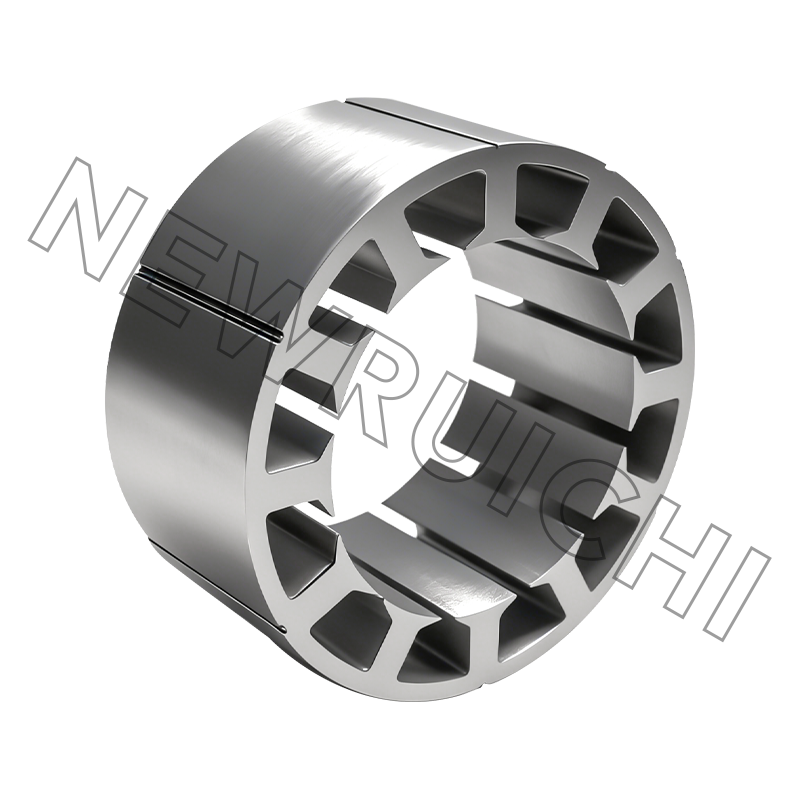
Core loss depends on the grade and thickness of the silicon steel (0.20 to 0.50 mm; thinner laminations reduce eddy current loss), on the coating quality, and on the stacking method. Interlock stacking is fast and economical but can distort the core edges. Adhesive bonding and laser or TIG welding produce flatter, tighter stacks, which matters more when the motor runs at higher frequencies or under EV duty cycles. For a machine that runs continuous hours at 50 or 60 Hz, a laser-welded laminated core can reduce effective losses and improve unit-to-unit consistency. This is one reason why motor makers are switching to ready-to-install finished cores: the supplier controls lamination, stacking, tolerance, and inspection in one place.
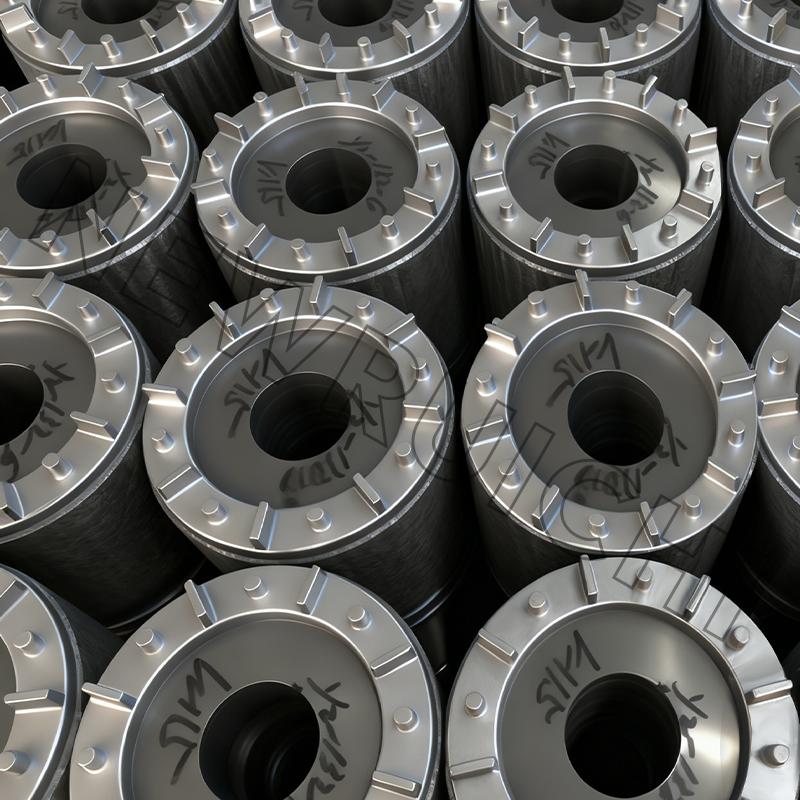 Laser/TIG-welded Laminated Core Suppliers, Company - Wuxi New Ruichi Technology As Laser/TIG-welded Laminated Core Suppliers and Company in China, New Ruichi/Cailiang offer Wholesale Laser/TIG-welded Laminated Core on...View Product →
How the Application Shifts the Selection Priority
- General industrial machines (35%)
- Pumps, fans, HVAC (25%)
- Electric vehicle traction (20%)
- Servo and robotics (10%)
- Marine and wind (10%)
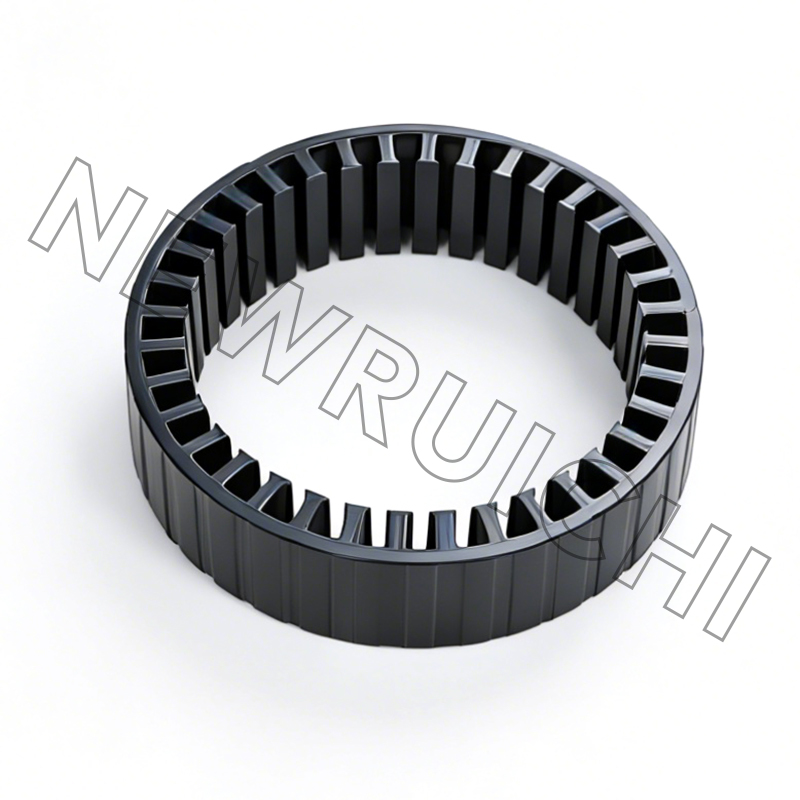
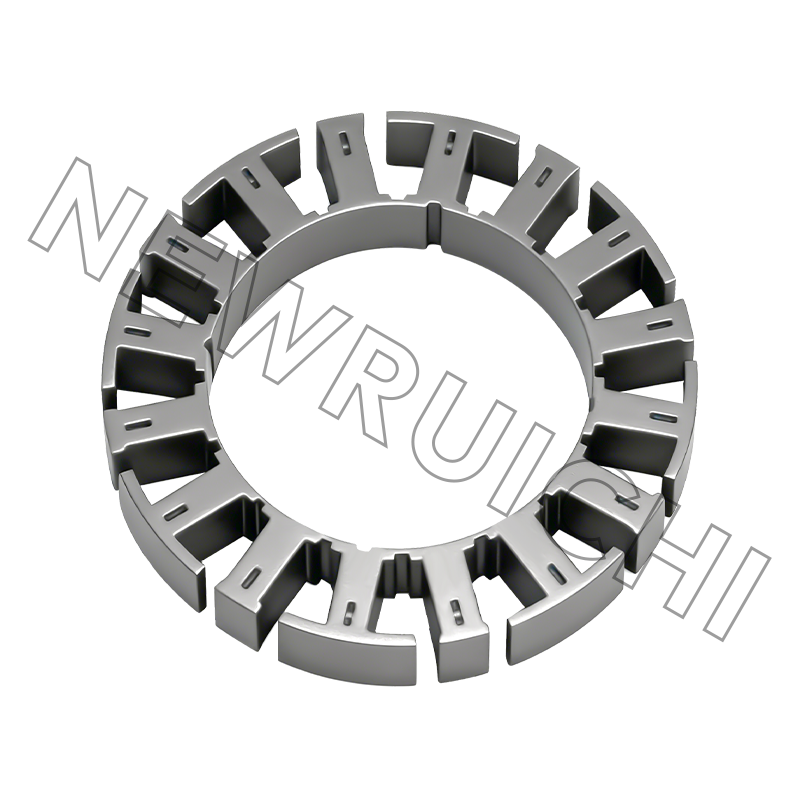
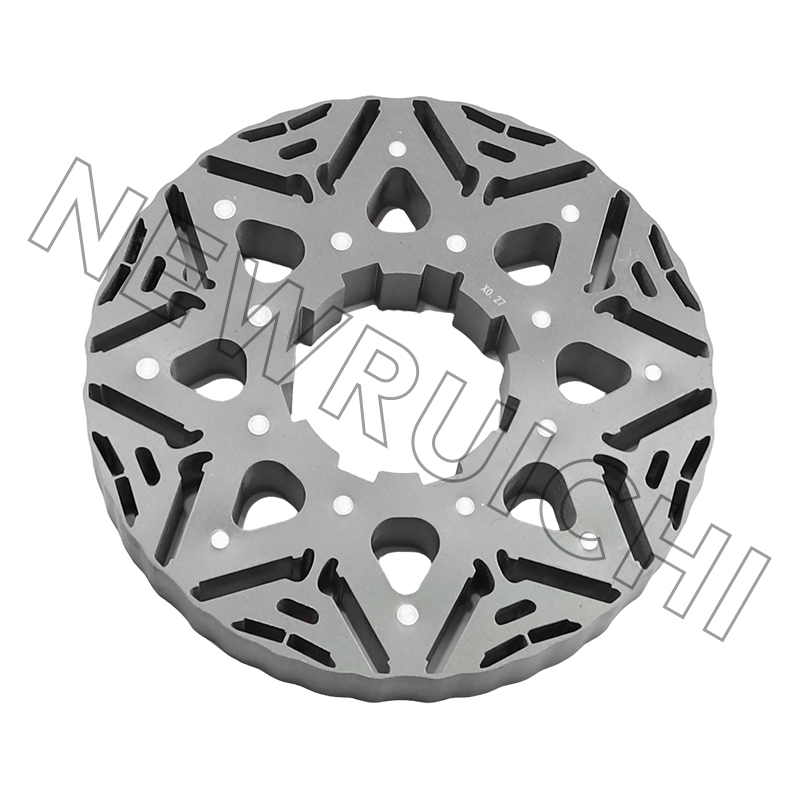
General industrial machines and pumps and fans represent roughly 60 percent of installed motors, and those applications reward simple, rugged, low-cost AC induction machines with standard enclosures. Electric vehicle traction is the fastest-growing pressure point: it demands high torque density, a wide speed range, and thin low-loss laminations, which is why the new energy vehicle motor stator and rotor core assembly is built to tighter dimensional and electrical specifications. Marine and wind applications add a structural constraint: the welded frame, base, and cooling arrangement matter as much as the electrical core because vibration, corrosion, and harsh cooling conditions dominate reliability.
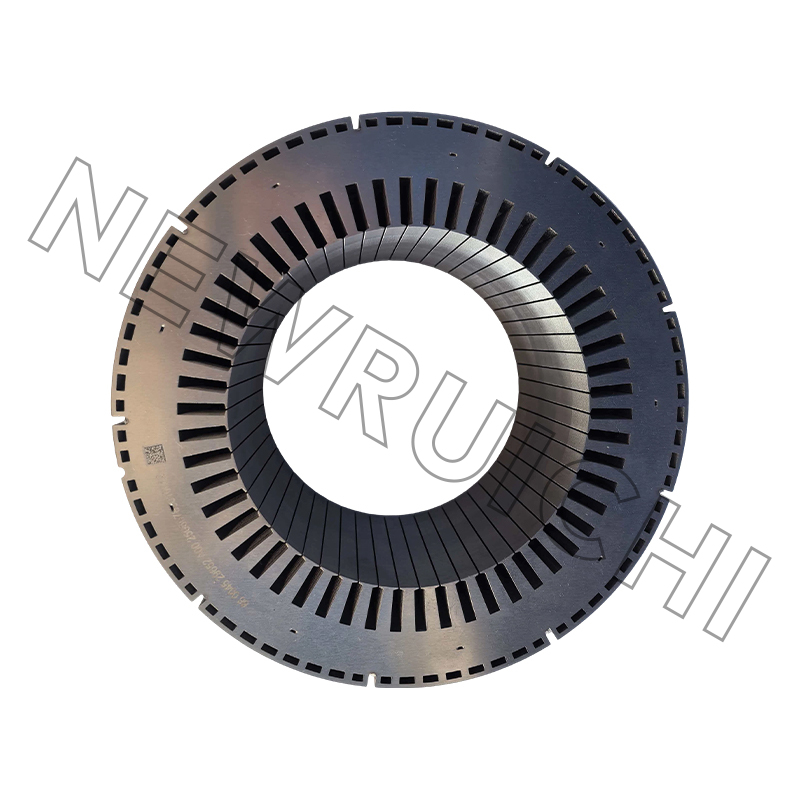 New Energy Vehicle Motor Stator and Rotor Core Assembly Suppliers, Company - WuxAs New Energy Vehicle Motor Stator and Rotor Core Assembly Suppliers and Company in China, New Ruichi/Cailiang offer Wholesale New Energy...View Product →
A Practical Selection Workflow and Return on Investment
Use the following sequence to keep the selection process consistent across different projects:
- Define the load profile. Record constant or variable torque, breakaway torque, inertia, and starting frequency.
- Calculate the operating points. Determine torque and speed at start, at continuous duty, and at peak load.
- Confirm the supply envelope. Check voltage, frequency, phase, and starting method (direct-on-line, soft starter, or VFD).
- Select the enclosure and cooling. Choose the IP rating, cooling type, ambient temperature, and altitude derating.
- Compare efficiency over actual running hours. An IE4 motor pays back fastest on continuous, high-load duty.
- Audit the component supply chain. Verify lamination grade, core stacking method, dimensional tolerances, certifications, and sample support before mass production.
ROI example: a 30 kW motor running 6000 hours per year at 75 percent average load. Improving from IE3 (94 percent) to IE4 (96 percent) efficiency saves roughly 3000 kWh per year per motor. At 0.12 USD per kWh, that is about 360 USD annually, so an IE4 price premium usually pays back in one to three years for continuous-duty applications.
Maintenance and Compliance Considerations
The IEC 60034 series covers the core rules: ratings, efficiency classes, vibration limits, and sound power. Insulation class F (155 C) or H (180 C) defines the allowable temperature rise, and the duty rating on the nameplate must match the actual operating pattern. For VFD-fed motors, confirm that the insulation system is rated for inverter duty to avoid premature winding failure.
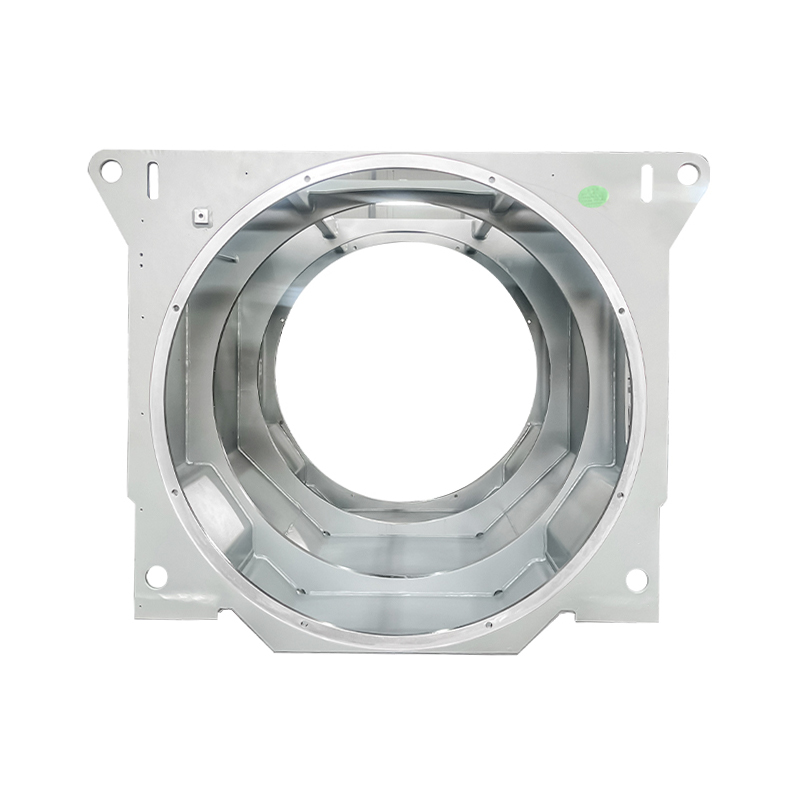
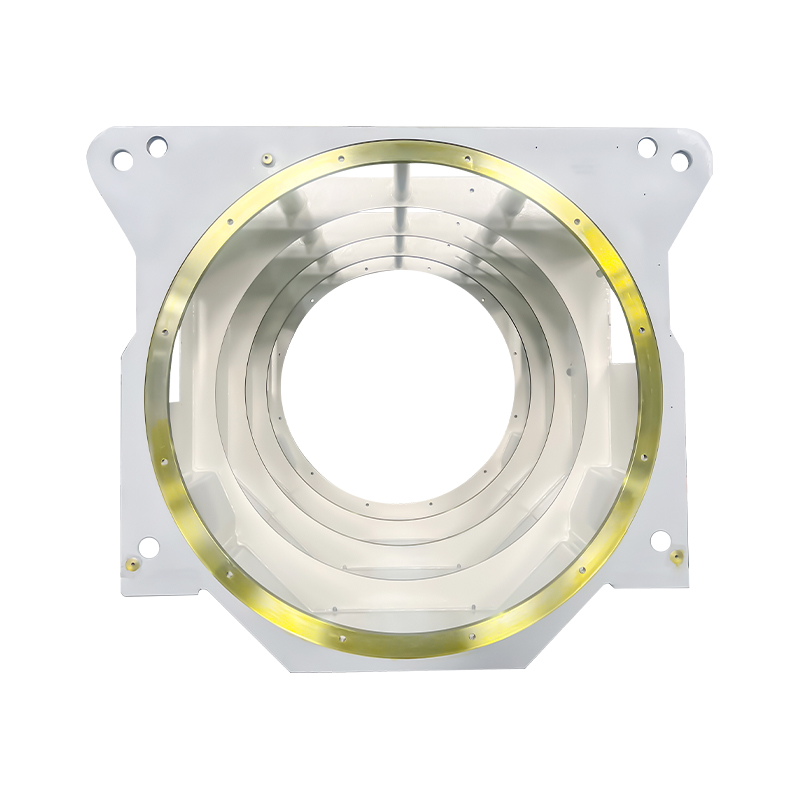
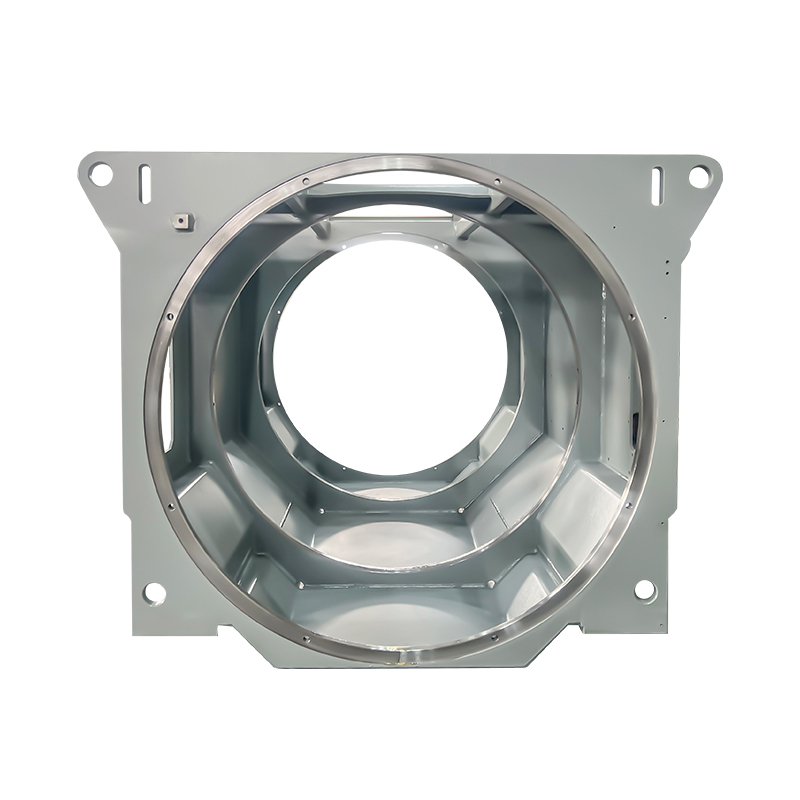
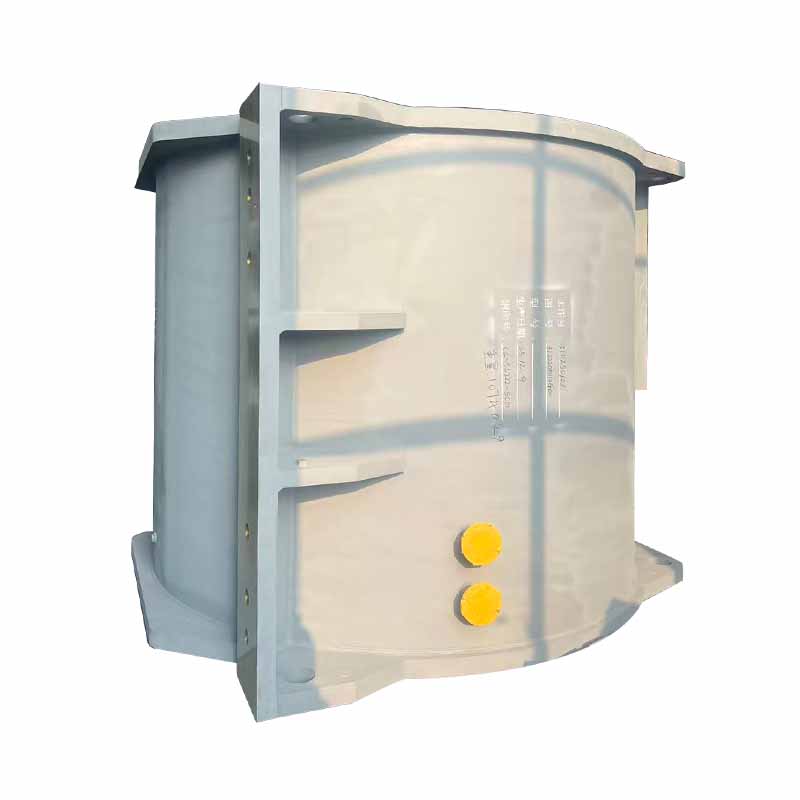
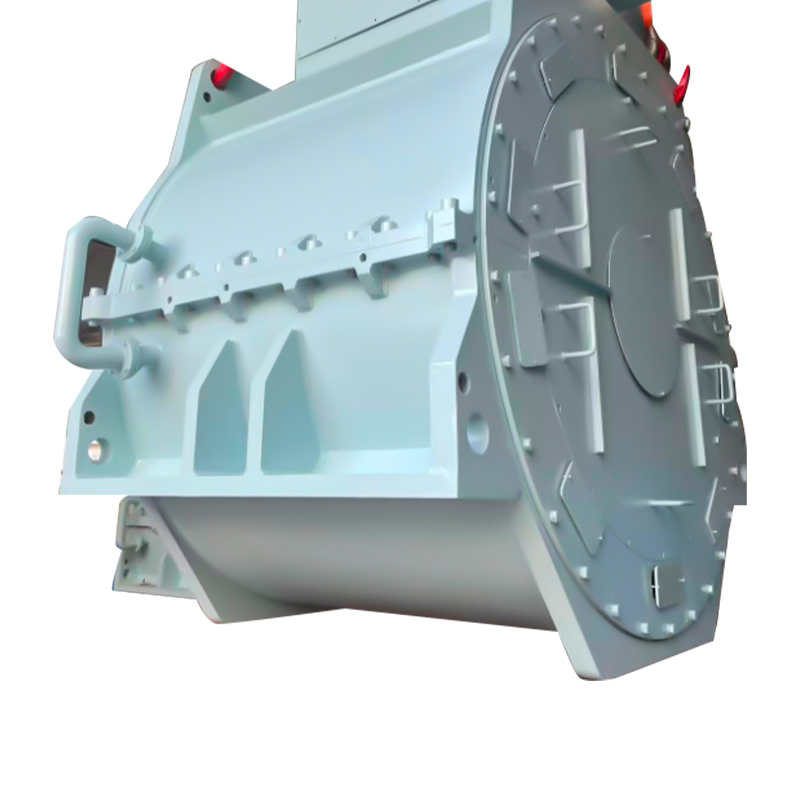
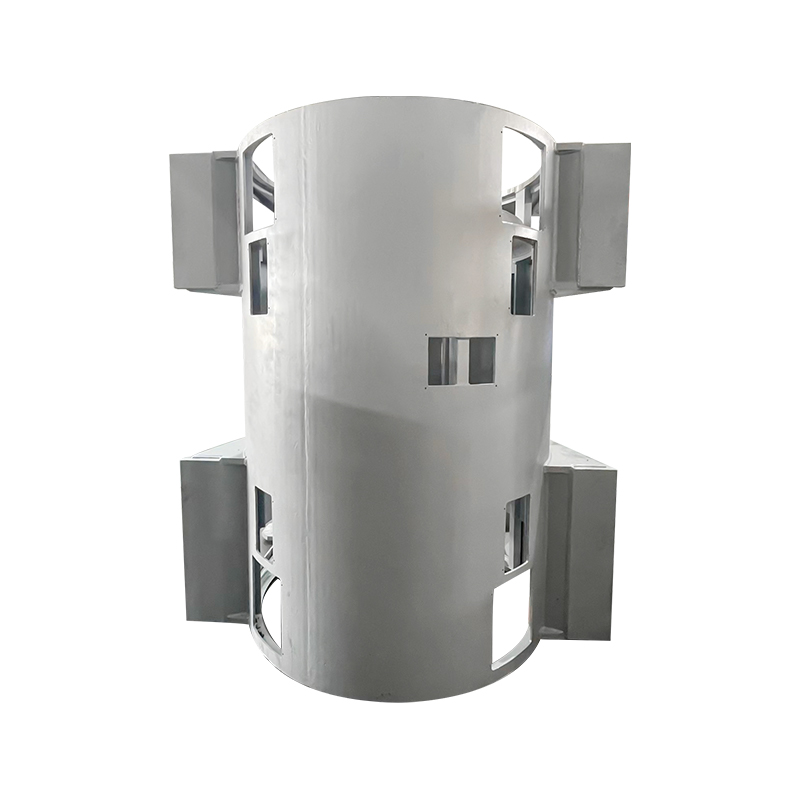
Installation quality is just as important. Base flatness, coupling alignment, and frame rigidity determine bearing life and vibration levels. In wind, marine, and high-voltage industrial applications, the welded motor frame is a structural part, so weld quality matters; ISO 3834-controlled fabrication is a meaningful indicator of frame reliability.
During operation, follow a planned maintenance routine: bearing lubrication intervals, insulation resistance checks, and temperature and vibration monitoring according to ISO 10816. On the procurement side, ask suppliers for material certificates, core dimensional reports, and sample approval. A quick way to narrow candidates is to review a supplier's manufacturing capabilities and process certifications before sending drawings for quotation.
A motor is easy to purchase and expensive to get wrong. Map the load, confirm the supply and environment, compare efficiency over the actual running hours, and then check the components the catalog does not show: the lamination grade, the core stack, the frame, and the quality system behind them. Those engineering details decide whether a motor runs cool for a decade or fails within the first year of service.
Your email address will not be published. Required fields are marked *


 Email: [email protected]
[email protected]
 Telephone/Phone:
+86-18861576796 +86-18261588866
Telephone/Phone:
+86-18861576796 +86-18261588866
+86-15305731515 +86-18861576796
Copyright © Wuxi New Ruichi Technology Co., Ltd. / Wuxi Cailiang Machinery Co., Ltd. All rights reserved.
Stator And Rotor Cores Manufacturers
