 en
 русский
 Deutsch

Different Types of Motors: A Buyer's Guide to AC, DC, Servo and Stepper Designs
A pump OEM sends the same 15 kW duty point to three motor builders and gets back three different machines: a 4-pole induction motor, a permanent-magnet synchronous motor, and a brushless DC unit with an integrated drive. All three hit the required flow and head. Only one stays the cheapest option once you add the drive, the frame, the spare-parts plan and eight years of electricity.
The short answer
Motor types are separated by one question: how is the rotating field created, and how does the rotor follow it? Induction motors dominate fixed-speed industrial loads because they are cheap and rugged. Permanent-magnet synchronous motors win on efficiency and torque density. Brushed DC survives where cost and simple speed control matter more than brush life. Servo and stepper designs own positioning work. That decision then cascades downward into lamination grade, core assembly method and housing design, which is where most of the real cost difference sits.
The families below are grouped the way a component supplier actually sees them: by what the rotor does, and by what has to be built around it.
Content
Five Motor Families That Cover Most Industrial Specifications
AC induction (asynchronous)
The stator field induces current in a short-circuited rotor, so the rotor turns slightly slower than the field. Slip is the operating parameter, not a defect. Fit: pumps, fans, compressors, conveyors, almost anything running at a fixed speed.
AC synchronous / PMSM
The rotor carries permanent magnets or a DC field and locks to supply frequency with zero slip. Fit: high-efficiency drive duty, wind turbine generators, screw compressors, retrofit projects chasing an efficiency class.
Brushed DC
A mechanical commutator switches rotor current. High torque at low speed and trivially simple control, paid for in brush wear and sparking. Fit: legacy machinery, automotive auxiliaries, low-cost actuators.
Brushless DC (BLDC)
Electronics replace the brushes, usually with Hall sensors or sensorless back-EMF detection. Fit: cooling fans, appliances, e-bikes, drones, battery-powered equipment where every point of efficiency counts.
Servo and stepper
A closed-loop servo holds position with encoder feedback; an open-loop stepper moves in fixed increments, commonly 1.8° per full step. Fit: robotics, CNC axes, packaging lines, dosing and indexing heads.
Universal (series-wound) motors still appear in power tools, and linear motors remove the rotary-to-linear conversion in some machine tools and handling systems. Neither changes the selection logic above; they simply add a shape.
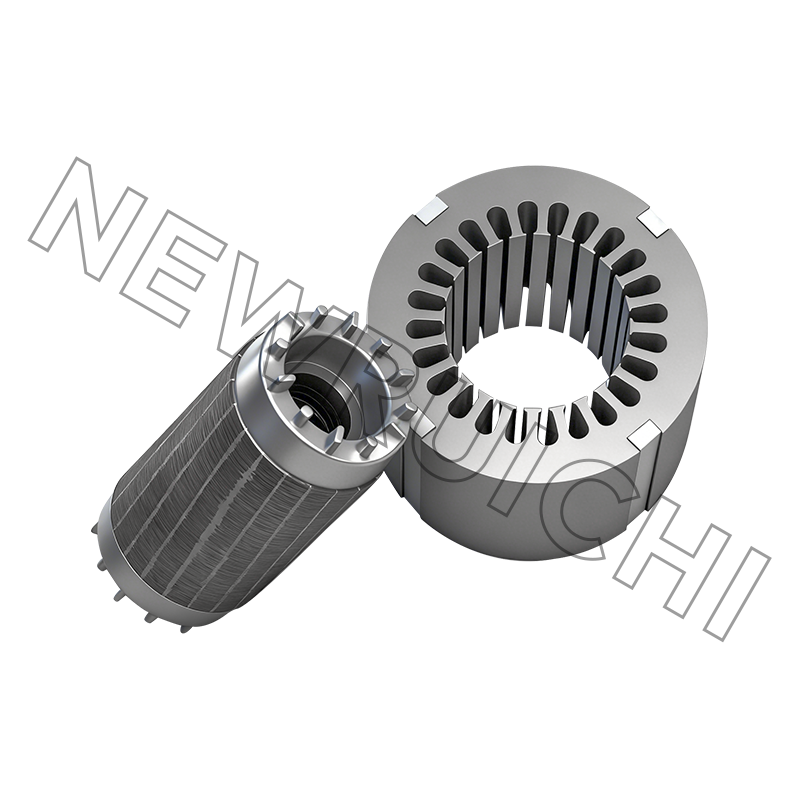
Induction motors remain the volume product, and nearly all of that volume sits in the stator and rotor core. Lamination thickness, silicon steel grade and stacking pressure decide how much of the input energy leaves as heat instead of torque, which is why core specification is quoted alongside the motor type rather than after it.
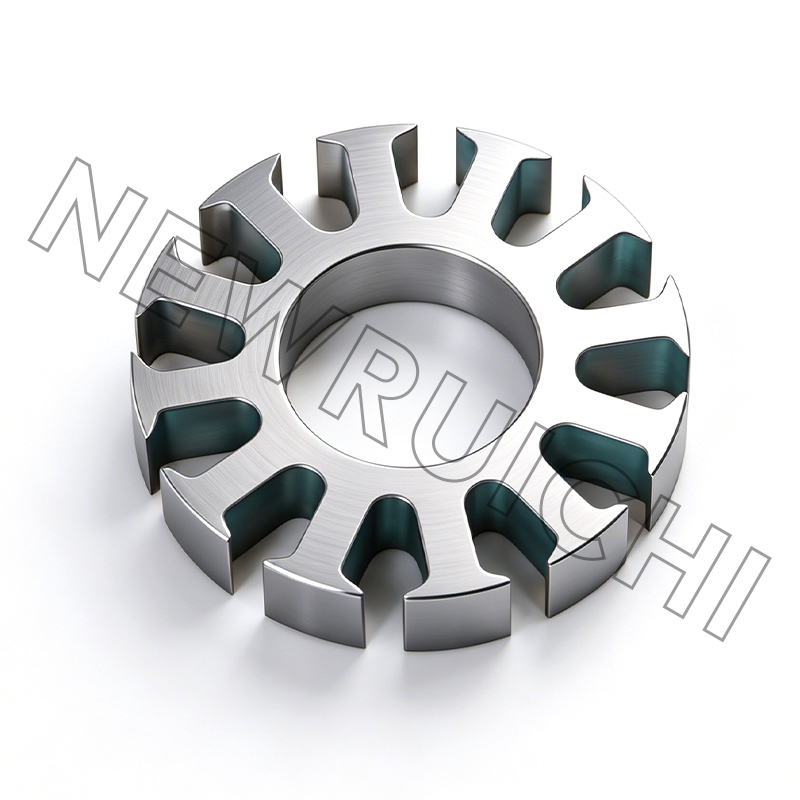
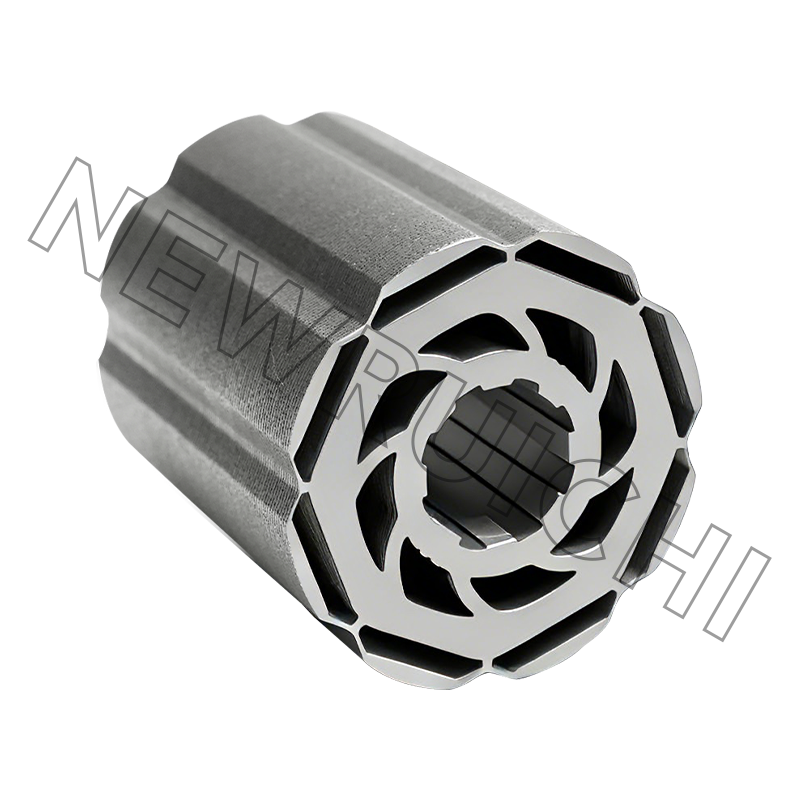
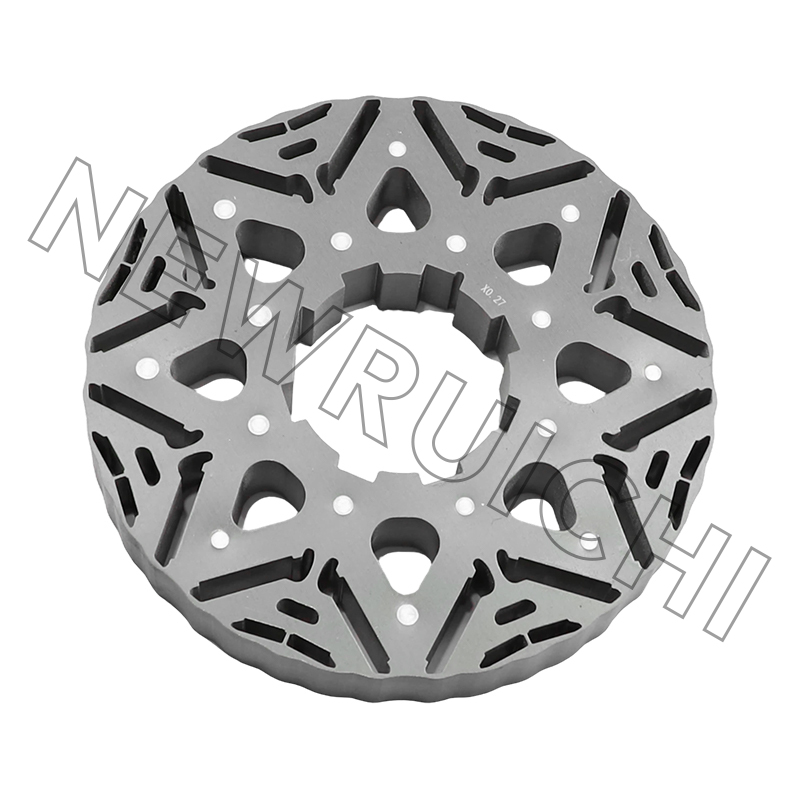
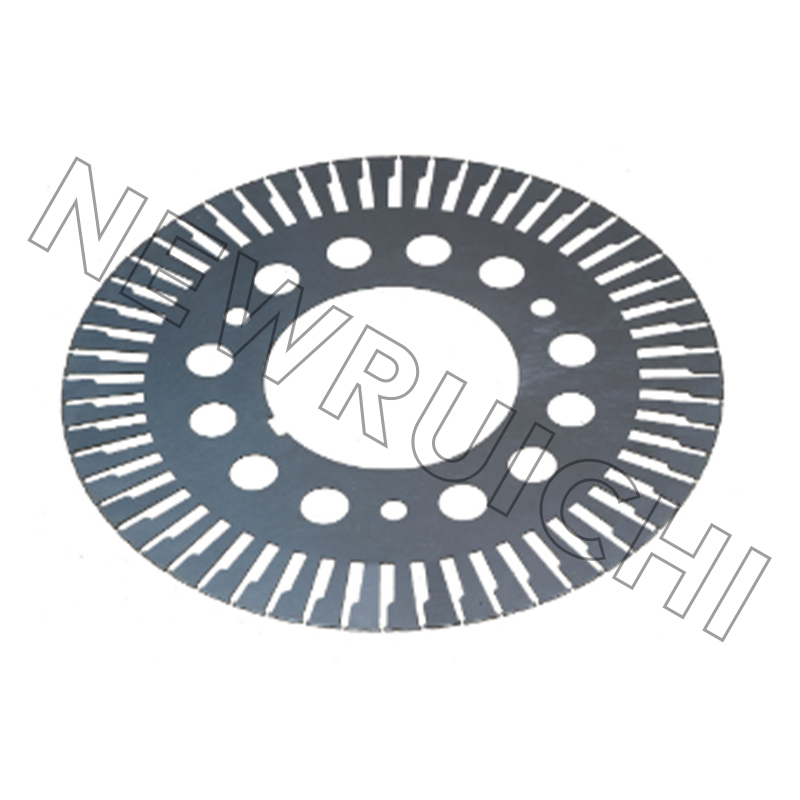 AC Motor Stator and Rotor LaminationsPrecision-stamped non-oriented silicon steel laminations for AC motor stator and rotor cores, where thickness, slot geometry and burr control shape core loss and torque.View Product →
How Each Type Actually Produces Torque
- Rotating field first. Three-phase windings spaced 120 electrical degrees produce a field that travels at synchronous speed. Everything else in the machine is a response to that field.
- Slip defines induction behaviour. At full load, small and medium induction motors typically run at 1–5% slip. Push past the breakdown torque and the rotor stalls instead of stalling gracefully.
- Magnets remove slip but add a ceiling. A PMSM produces torque until back-EMF approaches the inverter's DC bus voltage; above base speed the drive must weaken the field deliberately.
- Commutation is the dividing line. Brushes and a commutator switch rotor current mechanically; BLDC and PMSM drives switch it electronically. The physics is similar, the wear mechanism is not.
- Positioning needs feedback. A servo closes the loop on an encoder and recovers from overload. A stepper runs open-loop, so a jammed axis silently loses steps and the machine continues from a wrong reference.
The behavioural gap between the two largest families is worth reading separately: induction versus synchronous motor differences covers starting torque, pull-out behaviour and where each type stops being economical.
Side-by-Side Comparison
Efficiency bands are indicative for 15 kW, 4-pole class machines and shift with frame size, standard and build quality; use them to compare families, not to replace a nameplate value.
The Numbers Buyers Overlook
Induction IE3
Induction IE4
PMSM
BLDC
Brushed DC
Nameplate efficiency is the visible number. The hidden ones decide whether the machine still performs in year six. Temperature rise margin is the first: a motor running close to its insulation class limit loses winding life quickly, and a core with excessive interlamination short paths will run hotter than the datasheet implies. Cogging torque is the second, especially in PMSM and BLDC designs for low-speed positioning. Stack pressure is the third, and it is a manufacturing variable rather than a design variable.
Core assembly method changes all three. Interlocked laminations avoid weld bridges and keep the magnetic path clean, but the interlocks create local short circuits between sheets. Welded cores give the stiffest stack for large frames and high vibration, at the cost of weld-zone losses. Adhesive-bonded cores deliver the best loss behaviour and the quietest running, in exchange for a slower, more temperature-sensitive process. None of this shows up on a purchase order that only names the motor type.
Where Each Type Lands in the Field
- Induction, general industrial — about 45%
- PMSM and BLDC, drive-based — about 25%
- Servo axes — about 15%
- Stepper — about 8%
- Brushed DC and other — about 7%
An indicative mix from a general industrial component order book, useful for planning capacity rather than as a market statistic.
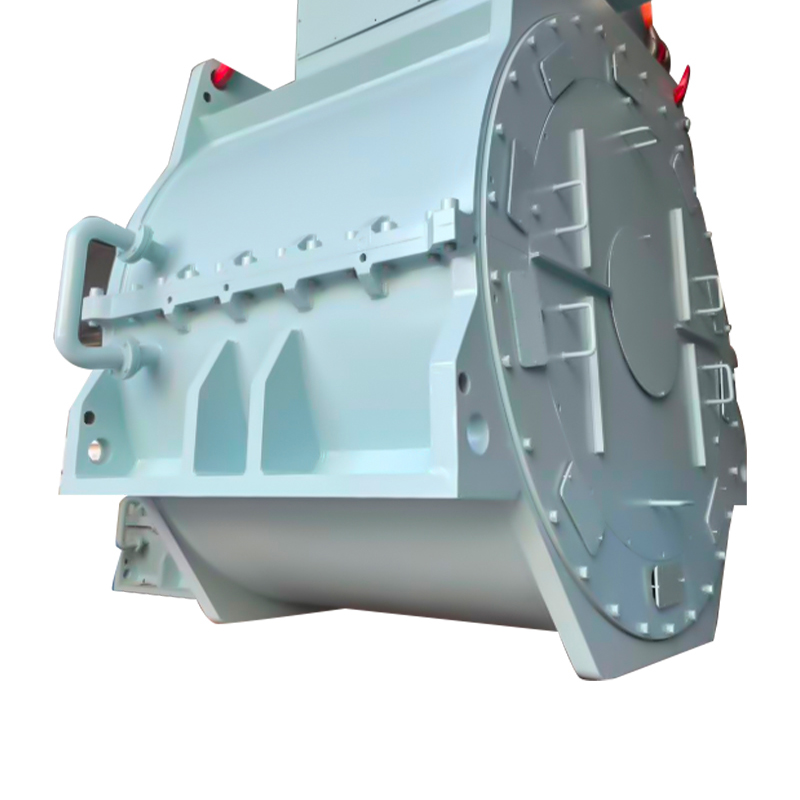
The distribution explains why suppliers keep both fixed-speed and drive-duty tooling. Induction cores still fill the high-volume lines, while servo and stepper cores demand tighter burr control and thinner gauges. On the structural side, application determines the housing far more than the electrical type does: a wind turbine generator base needs stiffness and fatigue life, a marine unit needs shaft clamping and corrosion protection, and a high-voltage industrial frame needs a defined cooling path.
Selection Path: From Duty Cycle to Lamination Spec
Step 1 — Fix the duty point. Continuous torque, peak torque, speed range, starts per hour and expected service life. A drive-duty application with frequent starts eliminates brushed DC before any price discussion begins.
Step 2 — Screen the environment. Ambient temperature, ingress protection, corrosion class, vibration and hazardous-area classification. Marine and offshore duty usually pushes the housing decision before the motor type is finalised.
Step 3 — Choose the control strategy. Fixed speed, VFD, or a closed positioning loop. This single choice narrows the field to two families in most projects.
Step 4 — Specify the core, not just the type. Lamination gauge, silicon steel grade, stack length and assembly method. For positioning duty, a bonded or interlocked servo core with controlled burr height usually beats a welded alternative on noise and torque ripple.
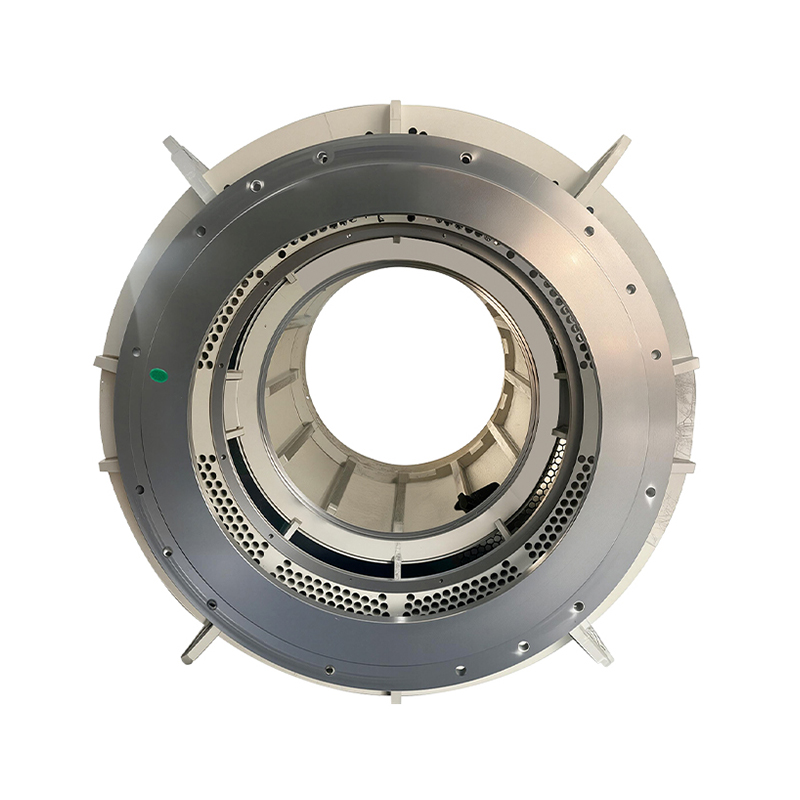
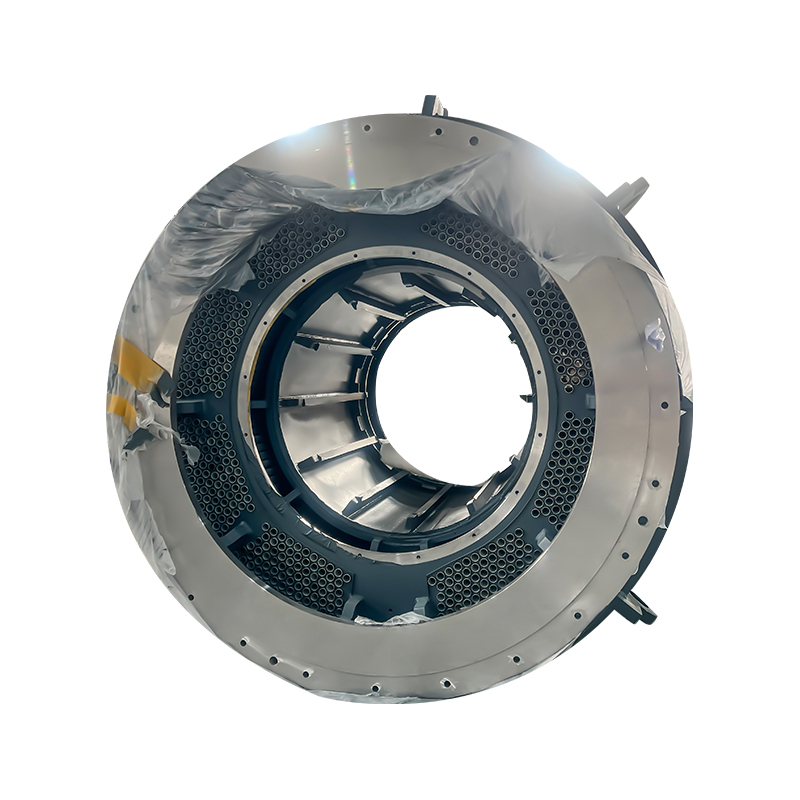
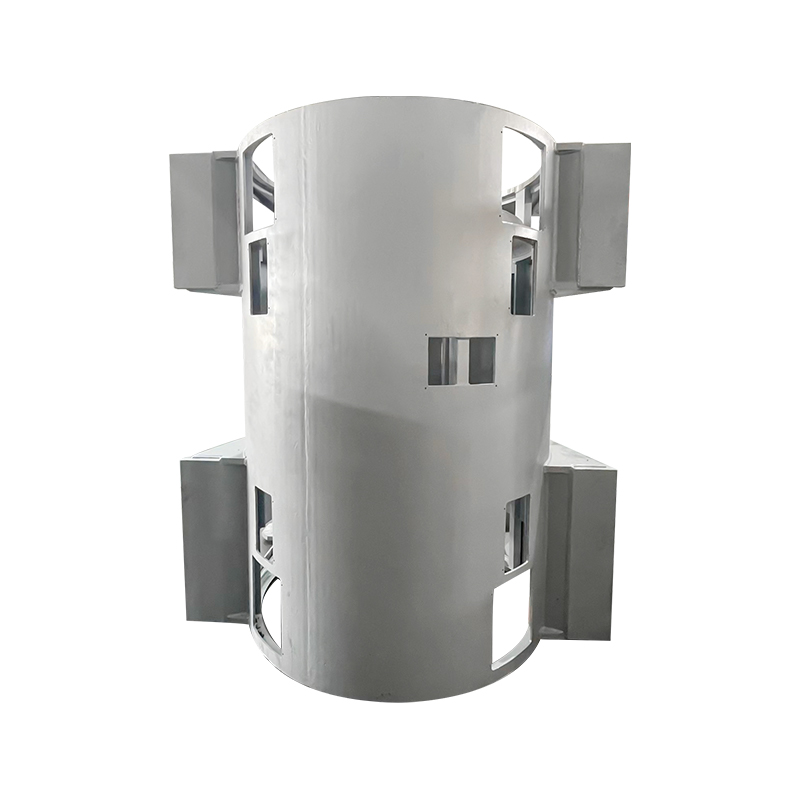
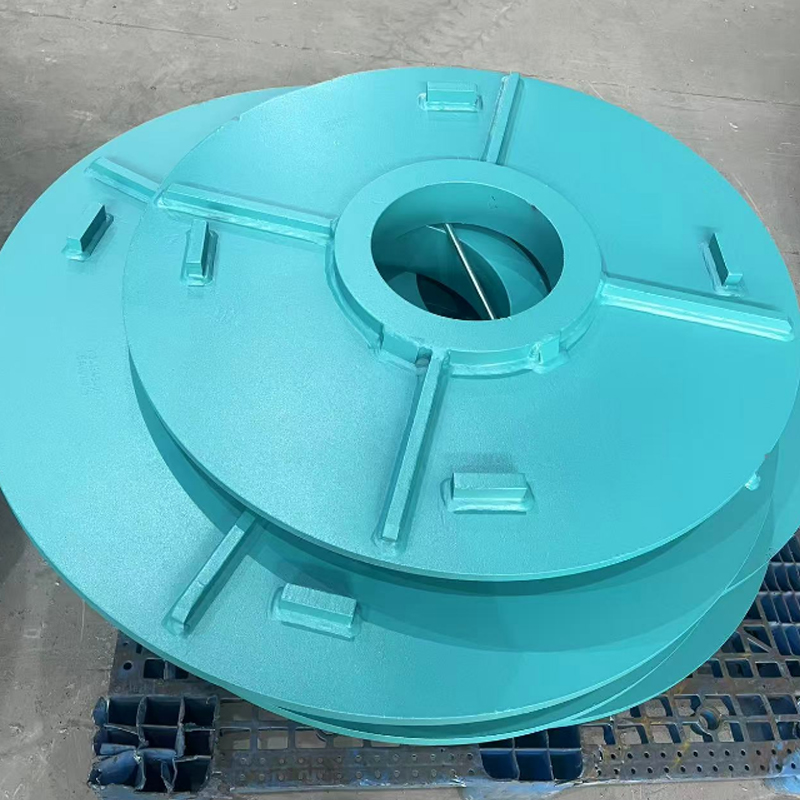
Step 5 — Match the housing and closure. Welded box frames for large industrial and wind duty, tube-cooled or ribbed designs where heat rejection is tight, and bearing end closures that keep preload and alignment predictable over the service interval.
Step 6 — Validate with samples. Laser-cut sample laminations and prototype cores let you confirm no-load current, temperature rise and noise before committing to hard tooling. Reviewing the manufacturing flow from coil to finished core at this stage usually surfaces tolerance questions earlier than a drawing review will.
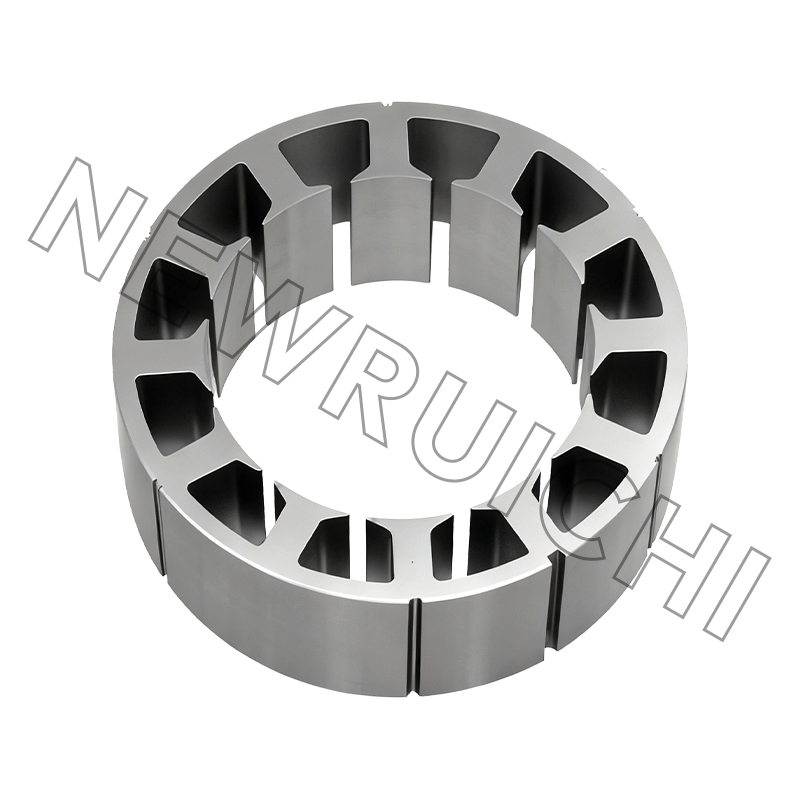
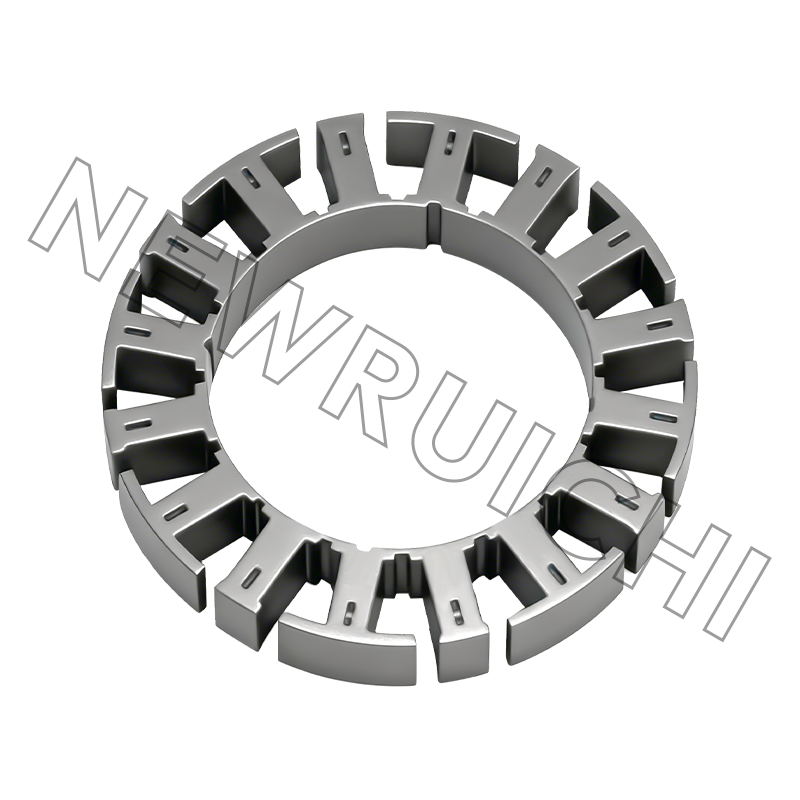
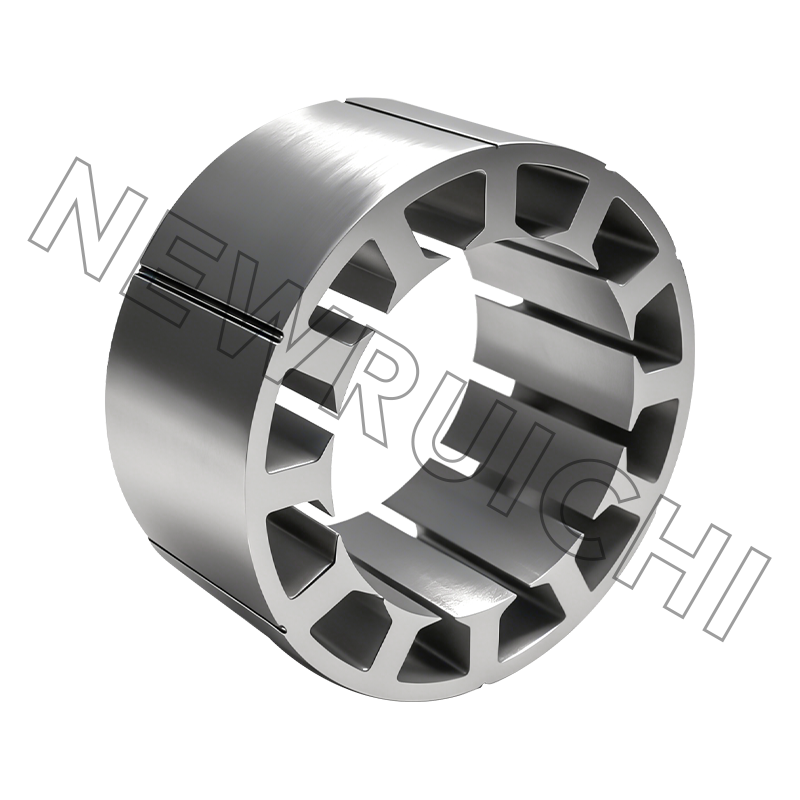
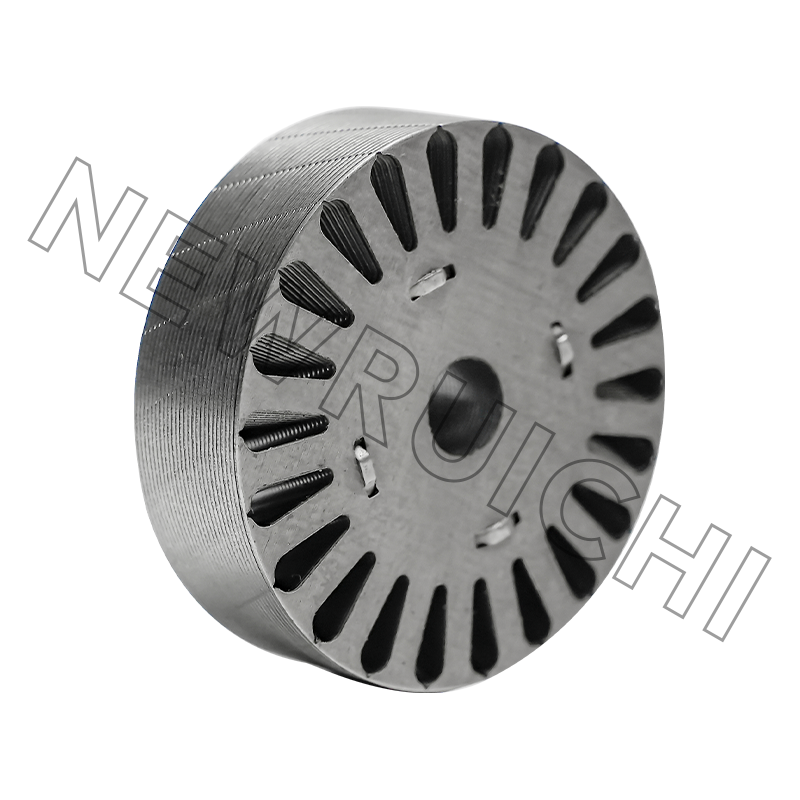 Servo Motor Stator and Rotor Core AssemblyStacked lamination stator and rotor core assembly for servo motors; optimized pole-slot and magnetic-circuit design reduces torque ripple for smooth, accurate motion in prototype builds.View Product →
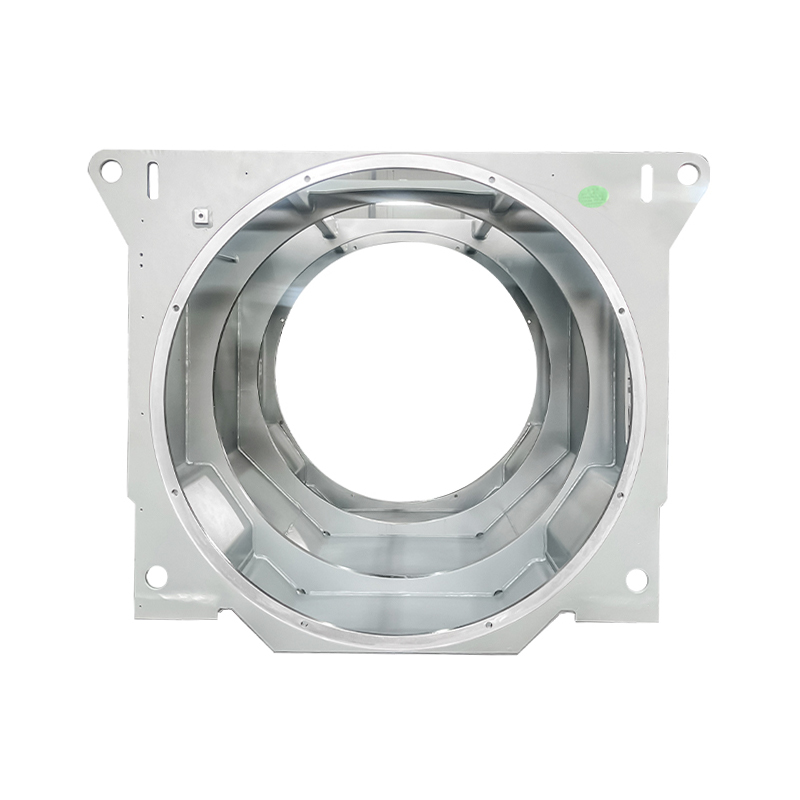
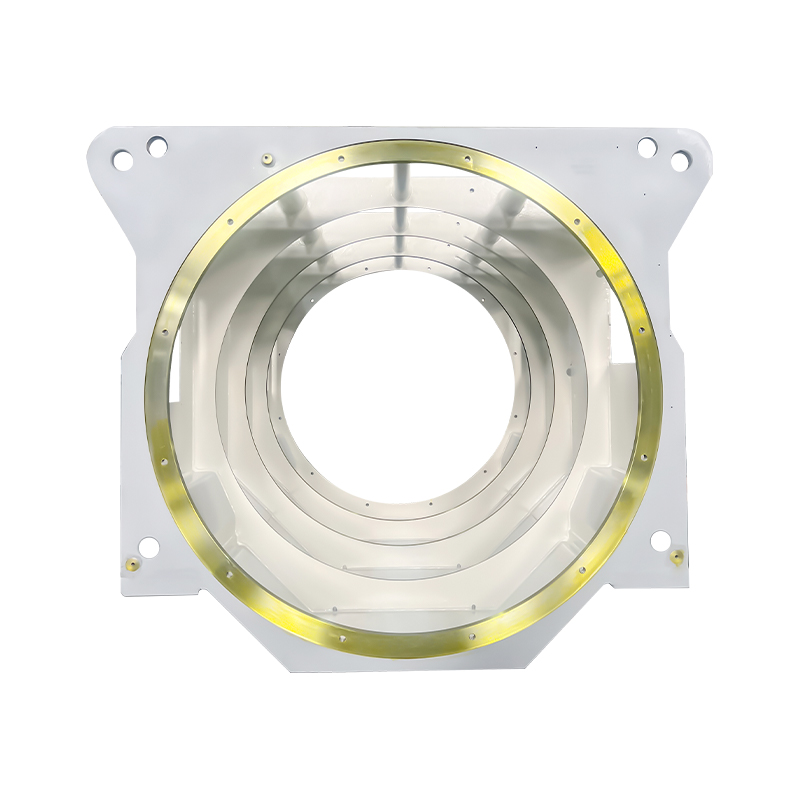
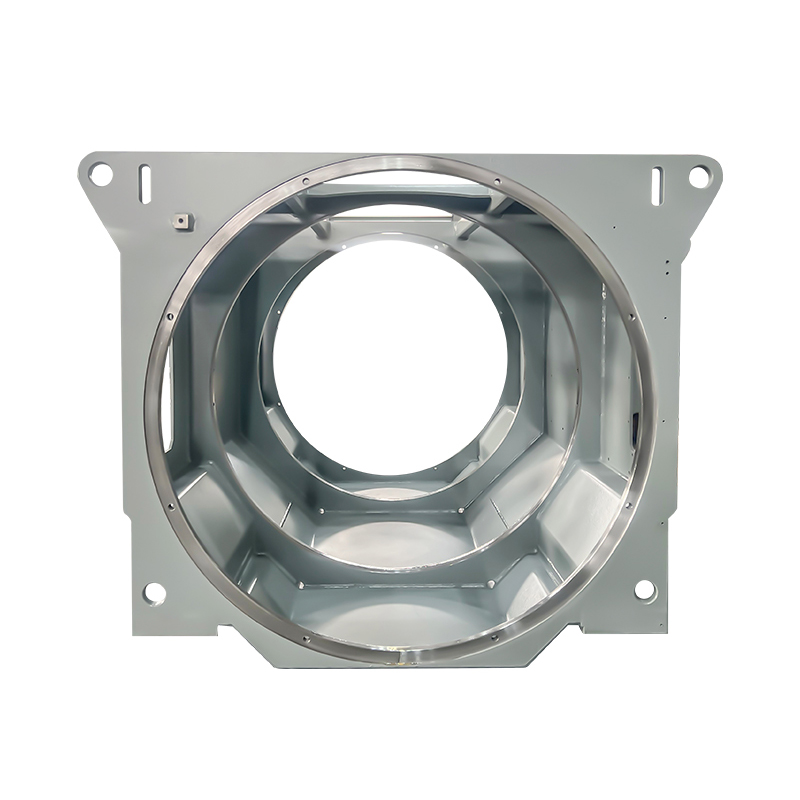
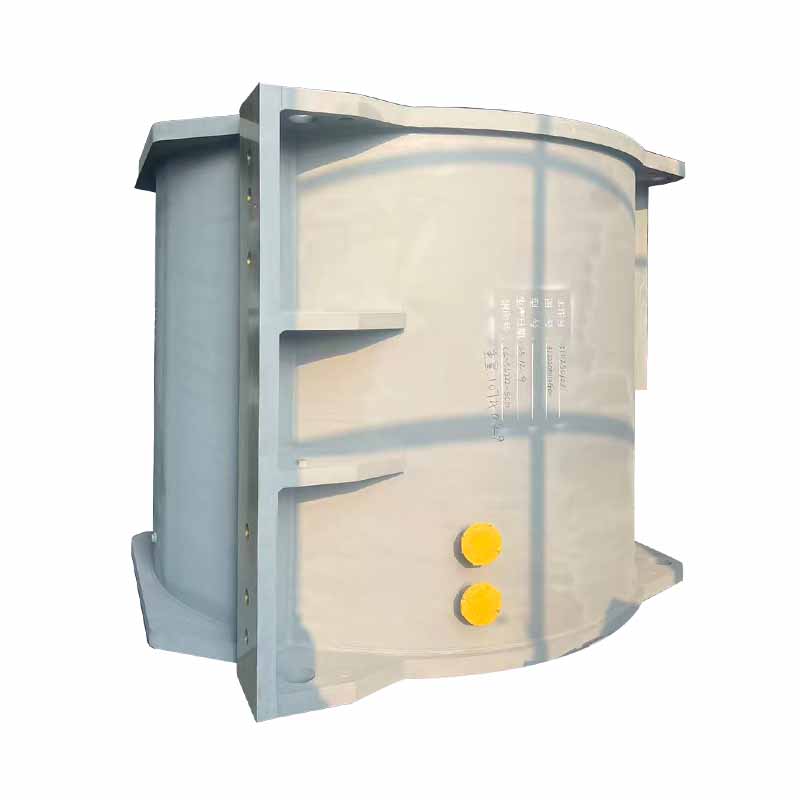
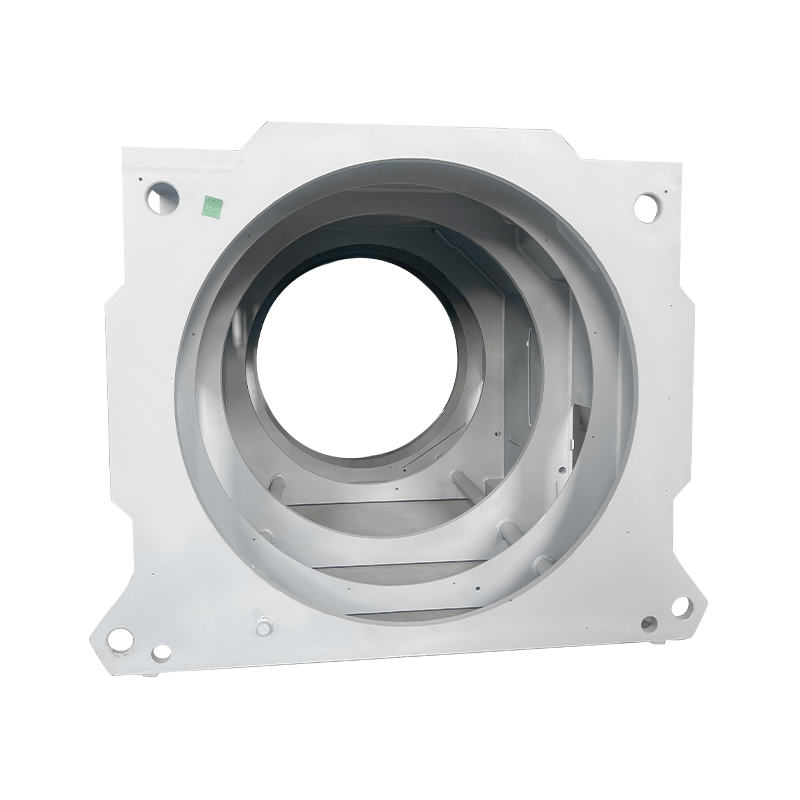 Industrial Welded Box-Type Motor BaseSteel-plate welded box-type base for large industrial motors, with leveling feet, cooling passages and sealed enclosure options; weld quality and frame rigidity protect bearing alignment.View Product →
Maintenance, Compliance and Supply Chain Notes
Efficiency claims should be traceable to IEC 60034-30-1 classes rather than to a catalogue headline, and the test report should state the method. For welded frames, weld quality management under ISO 3834 matters as much as the electrical specification, because a distorted frame ruins bearing alignment long before the winding fails. Automotive and new-energy-vehicle programmes typically require IATF 16949 coverage from the component supplier, while general industrial buyers usually work against ISO 9001 and ISO 14001.
On the maintenance side, the practical checks are unglamorous: bearing temperature trend, vibration signature, insulation resistance and, on drive-fed machines, shaft voltage. Keeping a spare core or a spare motor of the same frame on the shelf is cheaper than expediting a replacement after a failure, particularly for long-lead welded housings. When a motor type is fixed by an existing installation, the core and housing are the only levers left — and they are usually enough to recover efficiency without changing the footprint.
Your email address will not be published. Required fields are marked *


 Email: [email protected]
[email protected]
 Telephone/Phone:
+86-18861576796 +86-18261588866
+86-15305731515 +86-18861576796
Copyright © Wuxi New Ruichi Technology Co., Ltd. / Wuxi Cailiang Machinery Co., Ltd. All rights reserved.
Stator And Rotor Cores Manufacturers
