 en
 русский
 Deutsch

Bad Motor Symptoms: Spotting Early Warning Signs of Electric Motor Failure
A maintenance team hears a low growl from a 90 kW pump motor on the night shift. Nothing trips, the panel gauge reads normally, and the motor keeps running for another six weeks — until the drive-end bearing seizes and scores the shaft. The symptom was there the whole time. What was missing was a way to read it.
Bad motor symptoms are rarely random. In electric motors they cluster around four physical zones, and each zone leaves a signature: temperature, sound, vibration, or current. Read the signature correctly and most failures become scheduled maintenance instead of emergency calls.
The short answer
If a motor runs hotter, louder, or rougher than it did last quarter, check the cheap things first — airflow, mounting, alignment, lubrication — then bearings and insulation, and only then the stator core. In most reliability studies, bearings and stator windings account for roughly three-quarters of unplanned motor outages, and both announce themselves weeks before they fail.
Content
Six Symptoms Worth Acting On
The list below is ordered by how often it shows up in service calls, not by how serious it is. Any one of them on its own is a data point; two or three together is a pattern.
1. Heat without overload
A frame that runs 15 °C above its commissioning baseline at the same load usually means restricted airflow, a failing fan, or rising iron loss in the lamination stack.
2. New noise
A steady hum at twice line frequency points to the magnetic circuit. A growl that follows speed points to bearings. A tick that follows load points to something loose.
3. Vibration that creeps up
Vibration does not jump from good to failed. A slow trend over weeks is either bearing wear, misalignment, or a stack that has begun to loosen at the tooth tips.
4. Uneven current or torque loss
Phase imbalance above a few percent, or a motor that no longer holds its rated speed under the same load, often traces to turn-to-turn insulation faults or rotor bar defects.
5. Bearing whine and dark grease
Grease that turns from amber to charcoal, or a shaft voltage high enough to feel, signals electrical erosion on VFD-driven machines rather than simple old age.
6. Repeated trips on start
Nuisance tripping is the least dramatic symptom and the most expensive to ignore: it usually means insulation resistance has dropped or the load has quietly grown.
Where the Fault Physically Sits
Symptoms become useful only when they point at a component. The four zones below cover most of what a maintenance team will ever see.
Core and lamination stack
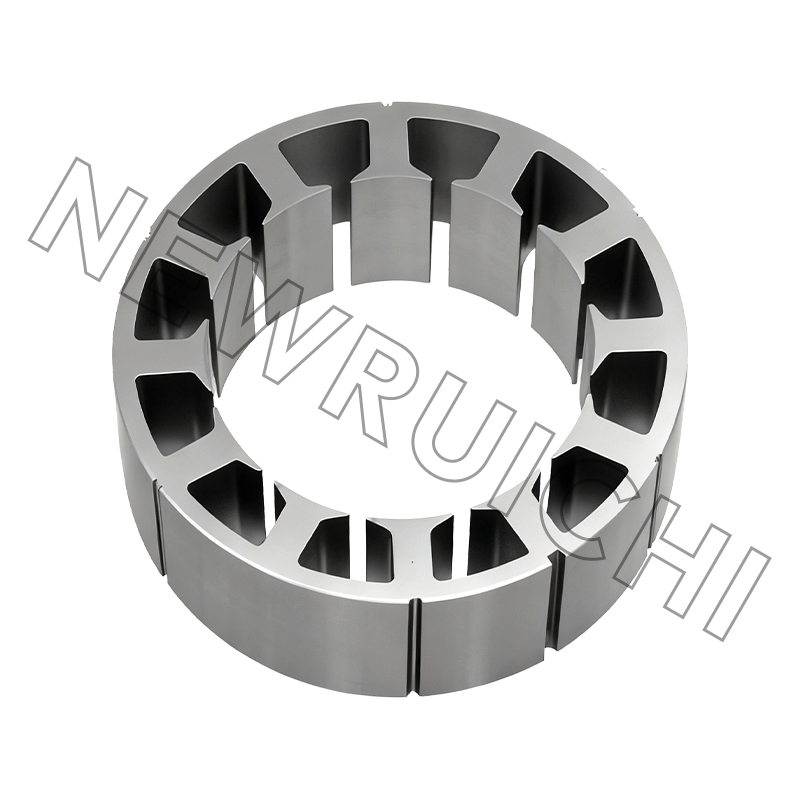
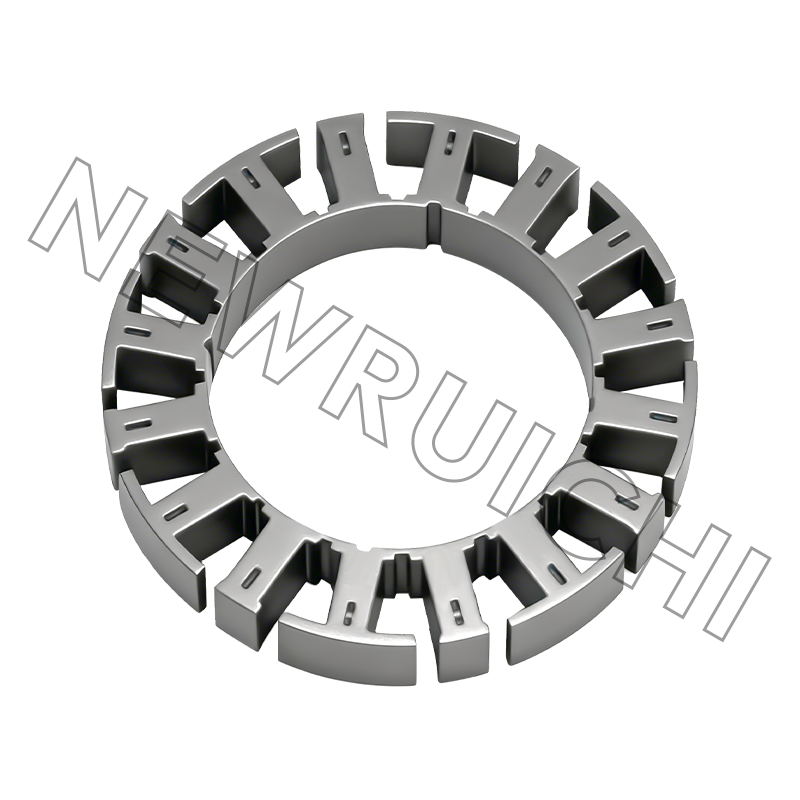
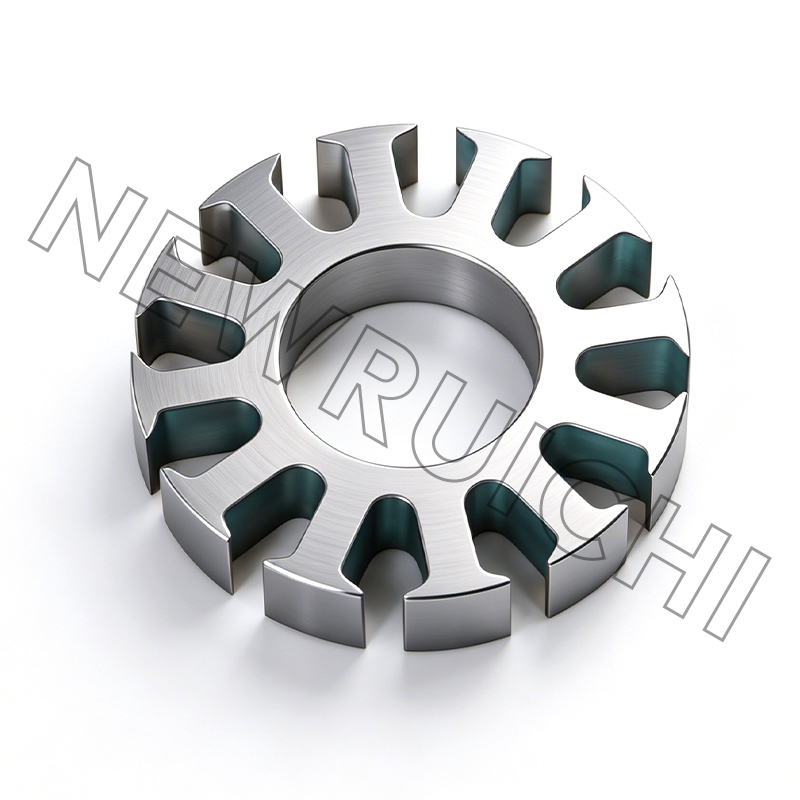
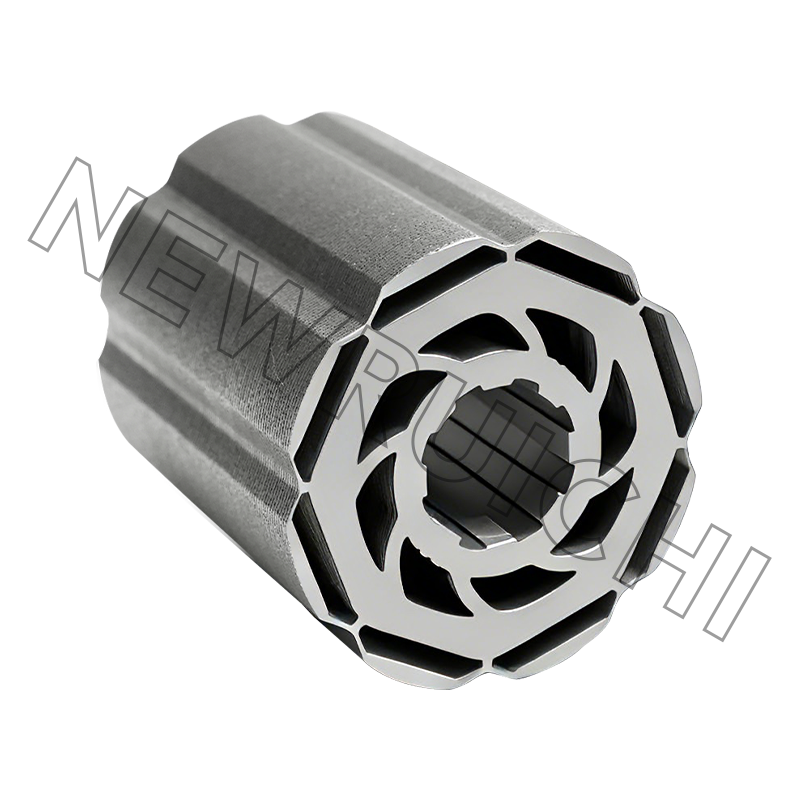
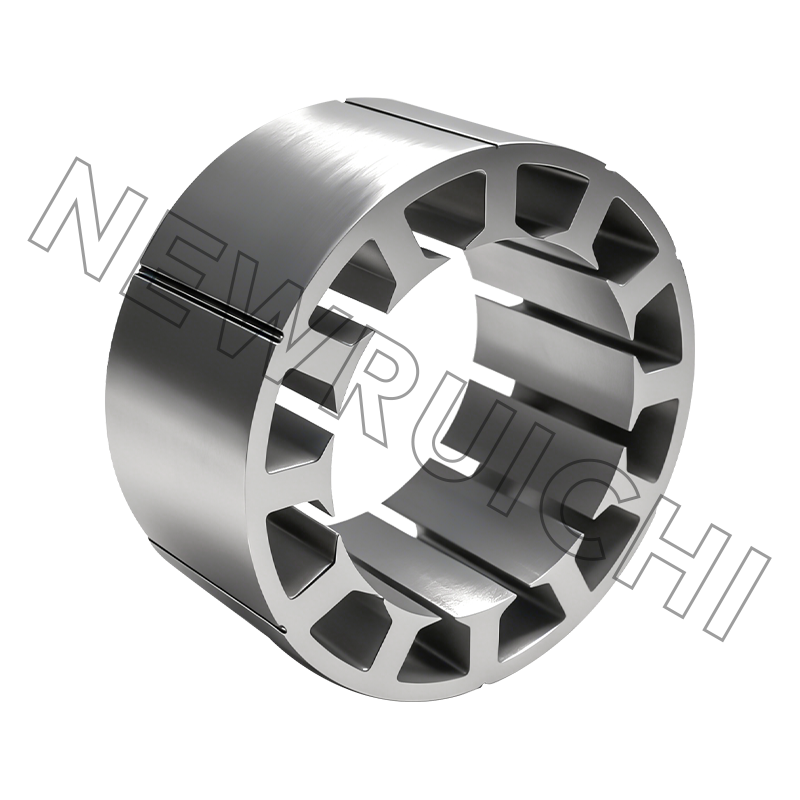
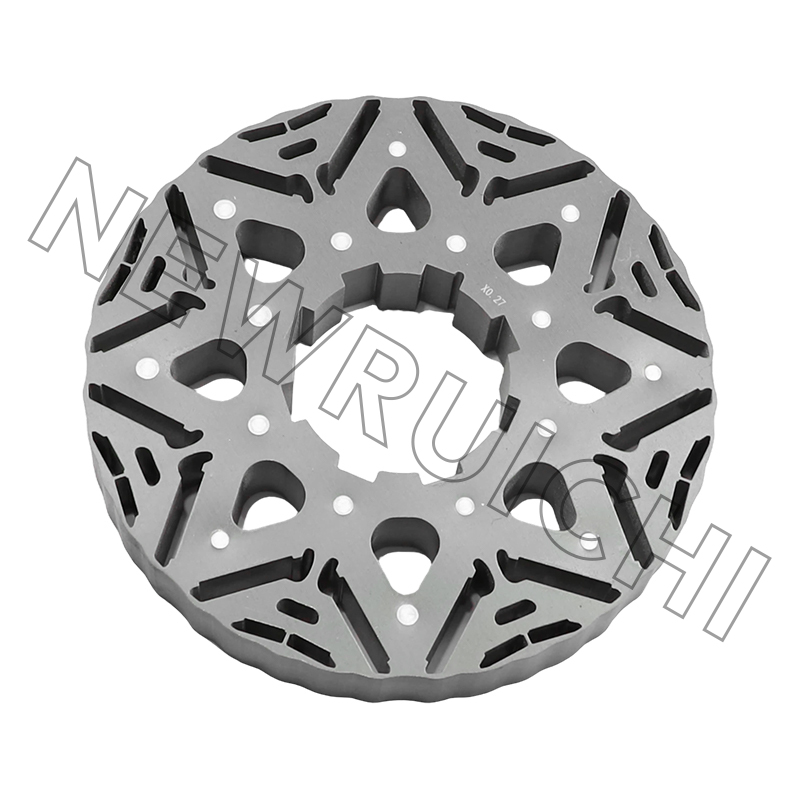
The stator core carries the magnetic flux, and it is built from hundreds of thin steel sheets pressed and joined together. Burrs on the punched edges, weak interlocks, or uneven stacking pressure create minute air gaps between sheets. Those gaps raise eddy-current loss, which shows up as localized heat and a hum at twice line frequency. A stack that has loosened also lets the teeth move under load, so vibration climbs while electrical readings stay normal.
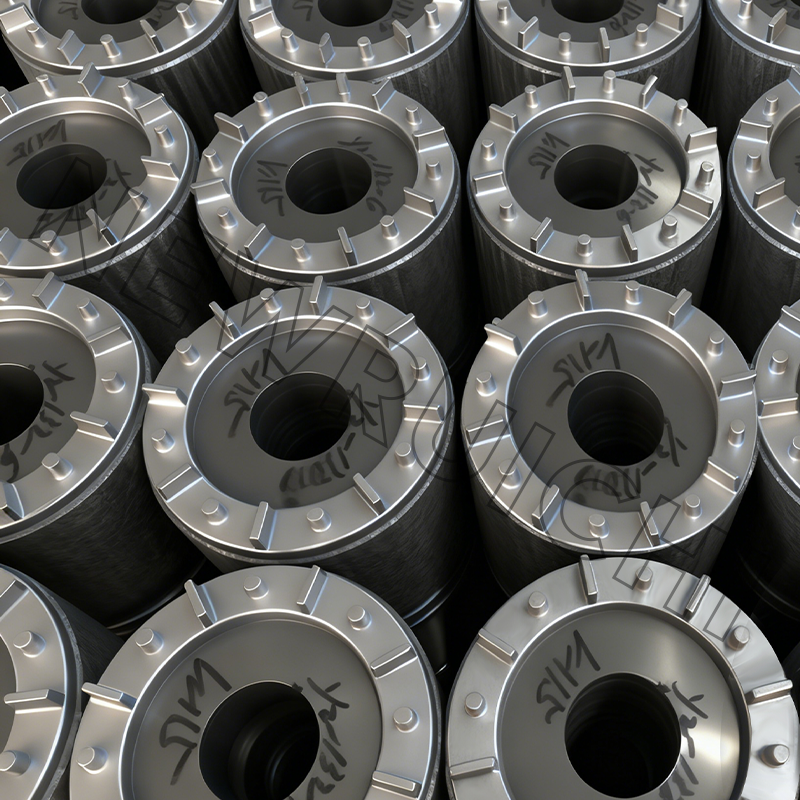 Interlock Laminated Motor and Transformer CoresWeld-free, glue-free interlocked cores with precise alignment support uniform magnetic paths and consistent assemblies; relevant when stack quality affects eddy-current loss.View Product →
Stacking method matters here. Interlocked cores hold together without welds or adhesive, which keeps the magnetic path clean, but only if punch tolerances and stacking pressure are controlled. Our technical note on interlock lamination precision walks through where the losses actually come from.
Windings and insulation
Insulation fails by degrees. Contamination, sustained operation above the thermal class limit, and repeated starts each shave life off the enamel. The earliest evidence is usually a slow rise in winding resistance imbalance between phases, well before a surge test fails. Motors that have already been rewound twice rarely return to original loss figures, because the second bake cycle further degrades the core steel.
Bearings
Bearings dominate failure statistics because they sit at the intersection of load, lubrication, alignment, and — on inverter-fed machines — stray shaft current. A high-frequency drive without a discharge path will pit the raceway within months, and the only audible clue is a faint whine that comes and goes with speed.
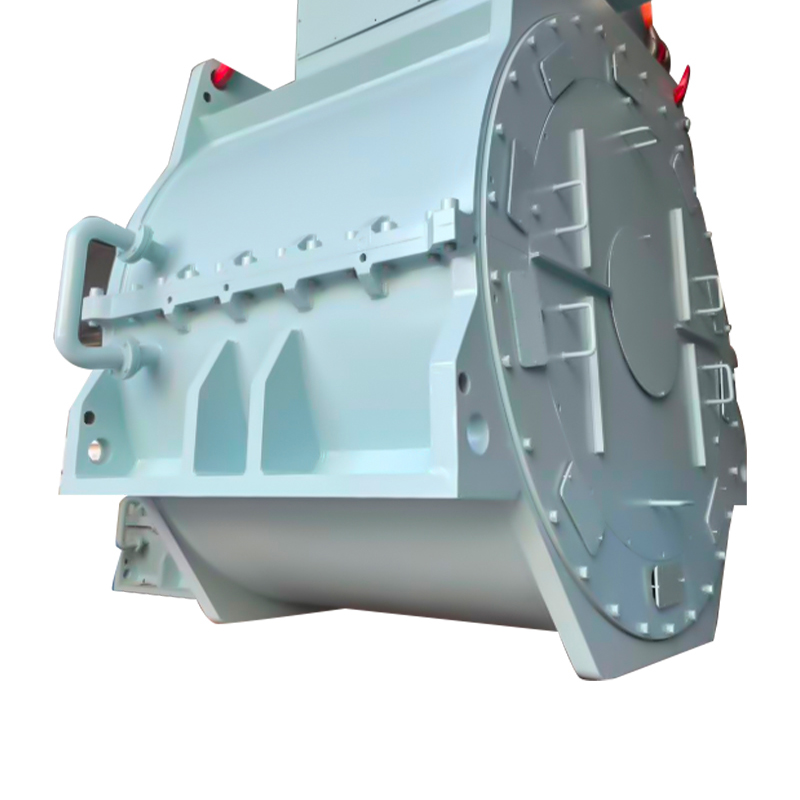
 Insulated Bearing End Closure for Industrial MotorsInsulated end shield for high-voltage and variable-frequency motors, using high-strength construction designed to prevent electrical breakdown or leakage in industrial drives.View Product →
Cooling and ventilation
Every 10 °C of extra winding temperature roughly halves insulation life. Blocked ducts, a cracked fan, a fan mounted backwards after a repair, or an enclosure that was never cleaned after installation all produce the same result: a motor that fails on the hottest week of the year and looks fine in the workshop.
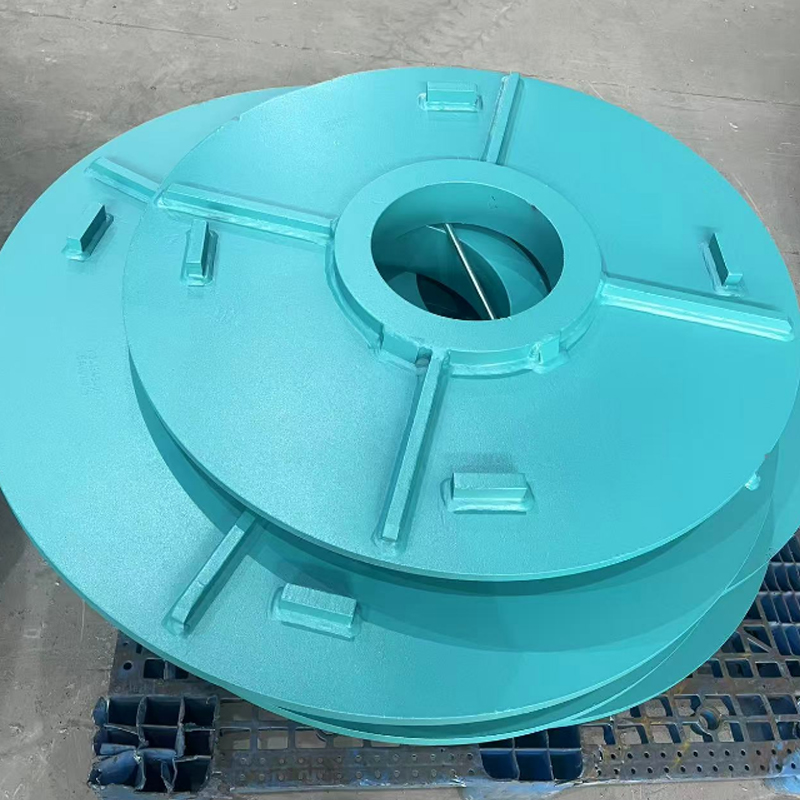
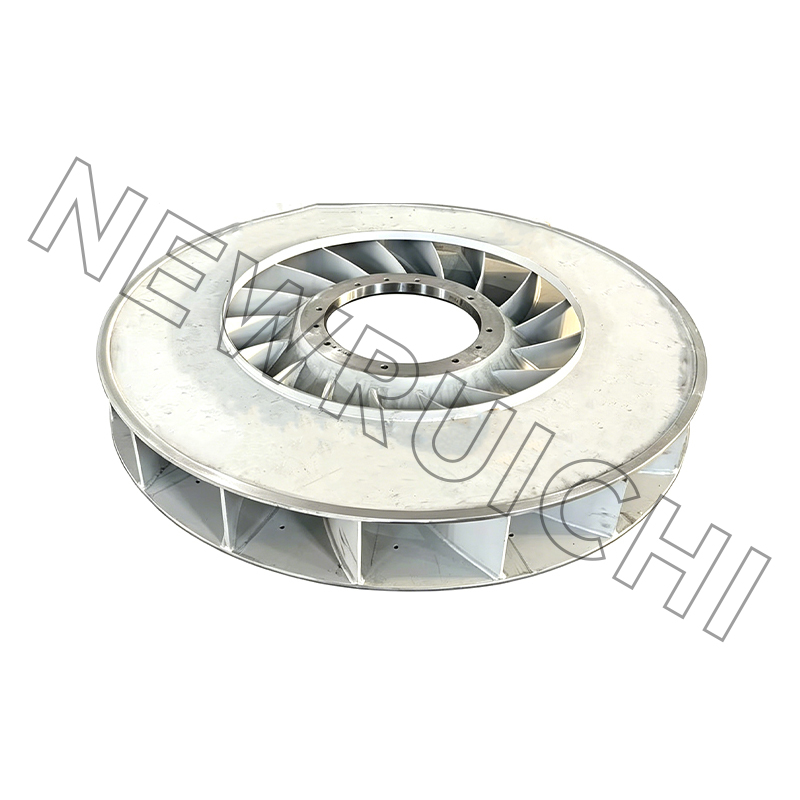 Motor Centrifugal Cooling Fan for Industrial DrivesShaft-driven centrifugal fan for large and medium industrial motors, with balanced steel impeller and anti-corrosion coating to remove winding and core heat.View Product →
Frame, mounts, and structure
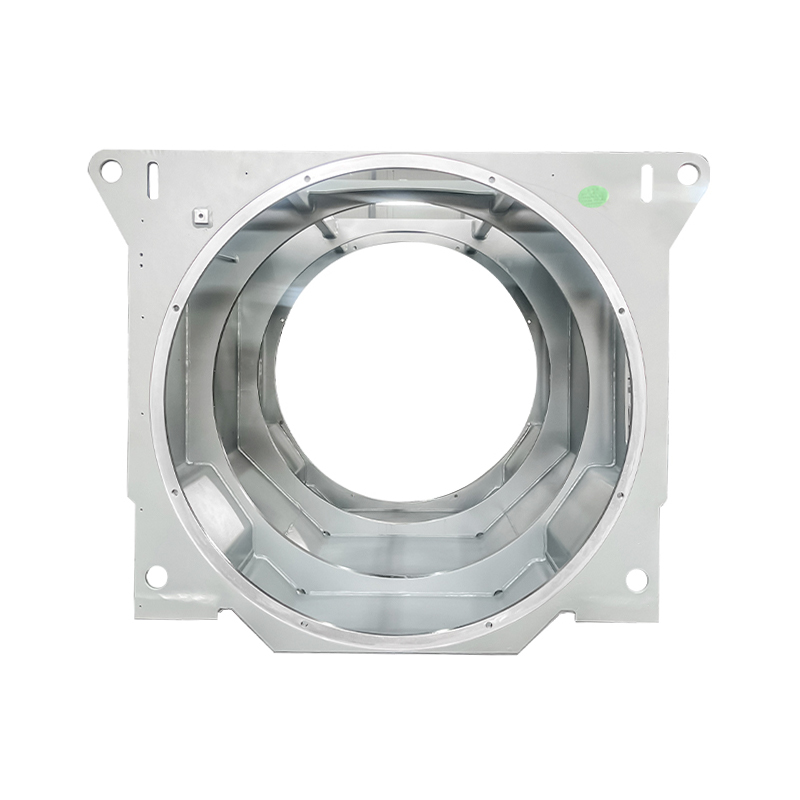
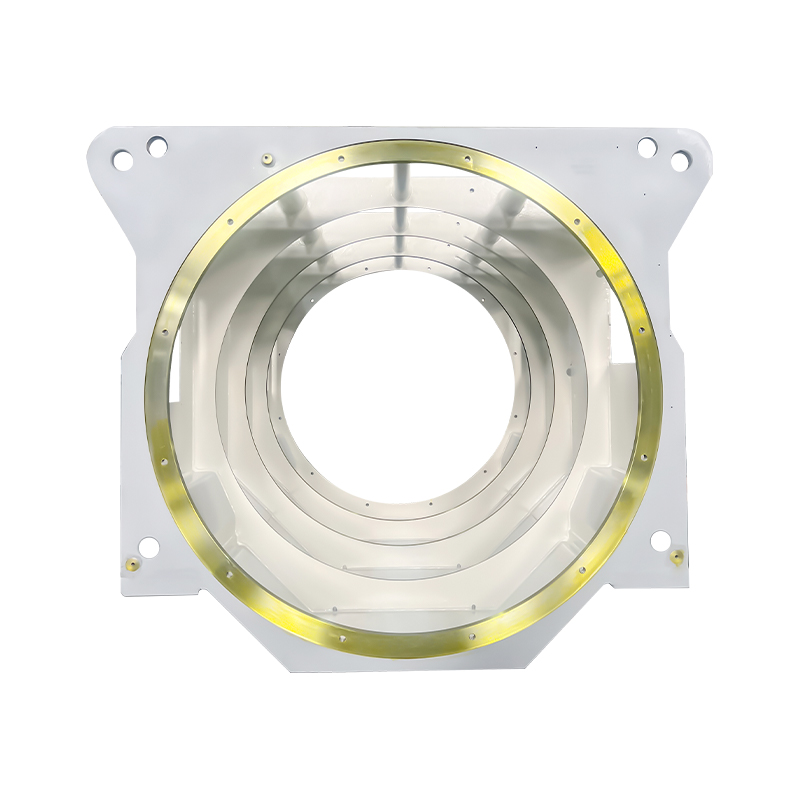
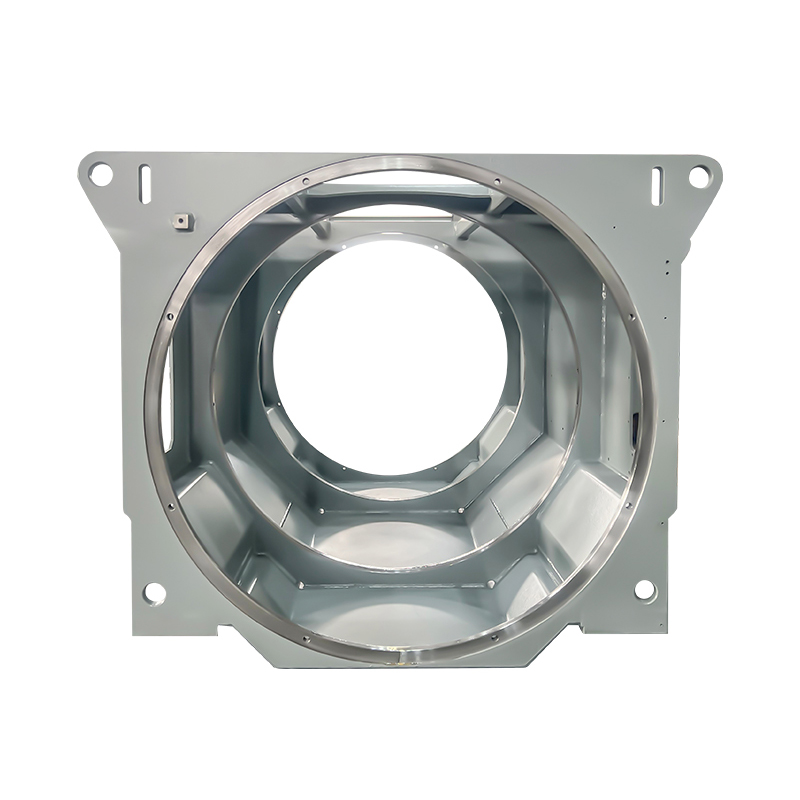
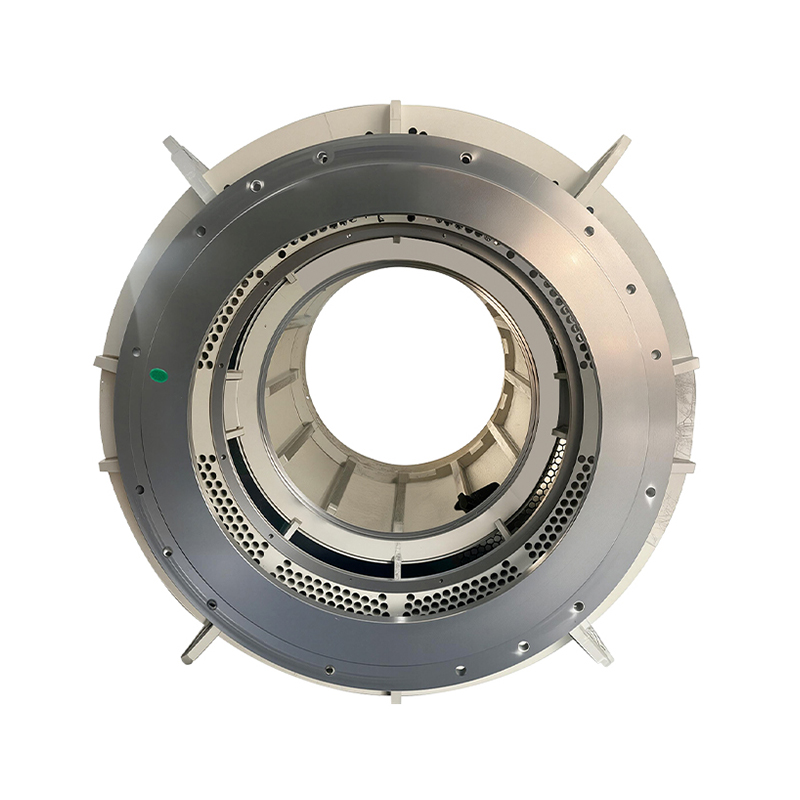
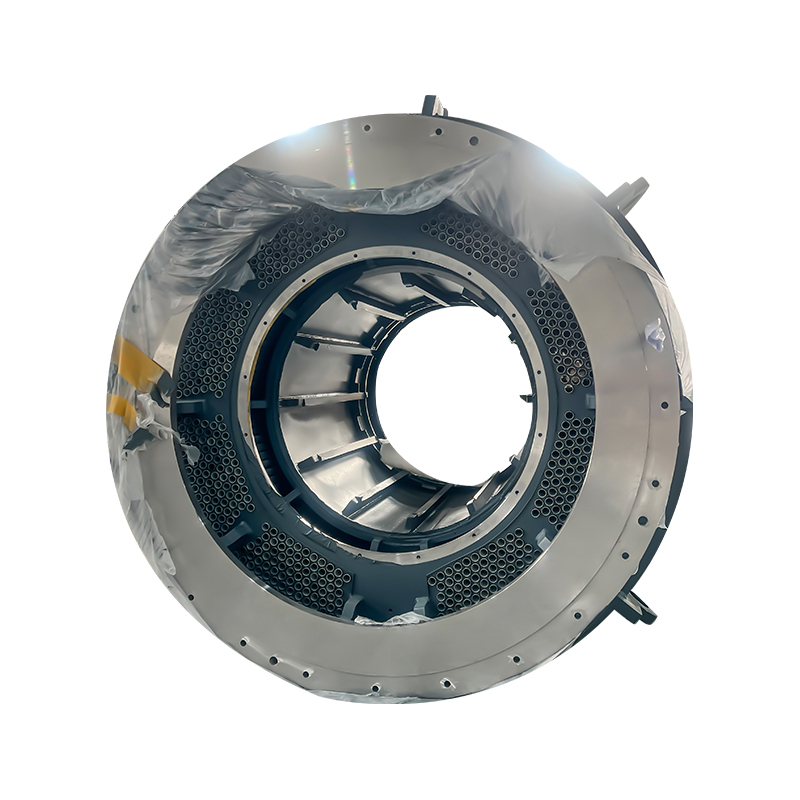
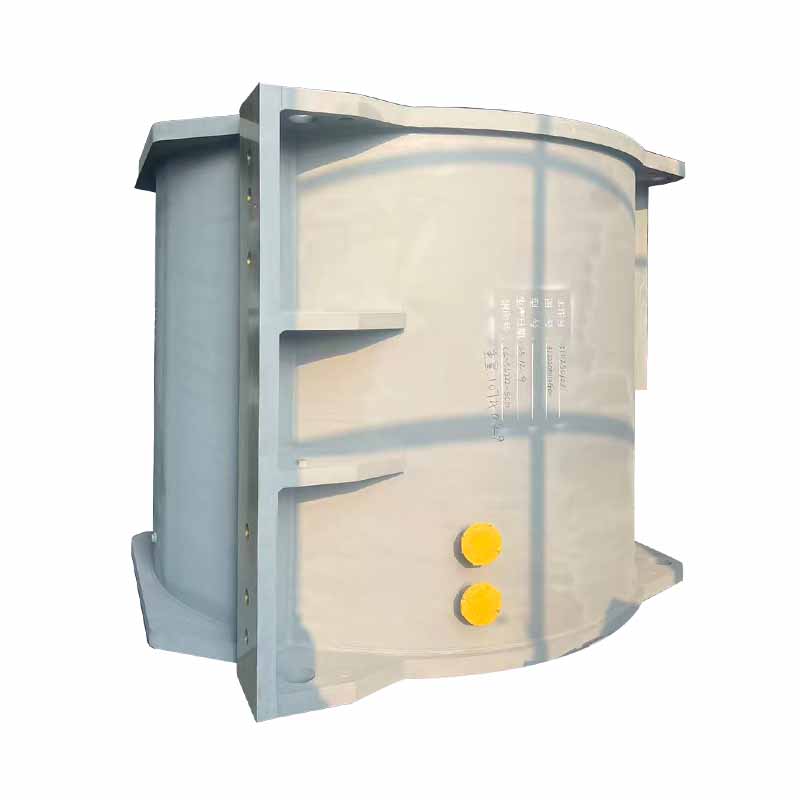
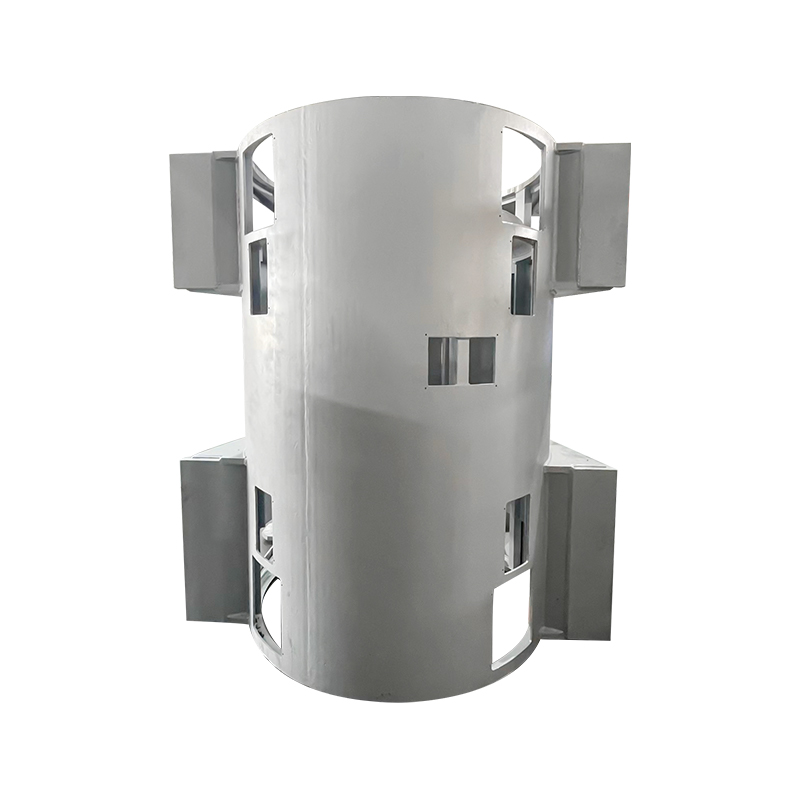
Welded frames and bases are stiff, but not infinitely so. A base plate that resonates at running speed will amplify an otherwise acceptable vibration reading, and weld cracks near mounting feet tend to appear on machines that were aligned once and never re-checked. The motor core and frame manufacturing side of this is straightforward: dimensional consistency at the mounting interface prevents most of these cases before they start.
Comparing Symptom Patterns Side by Side
Use the pattern, not the single reading, to decide how fast to act.
The Hidden Indicator: Where Failures Actually Accumulate
Published motor reliability surveys and typical replacement-part order mixes tell a consistent story. Bearings and stator windings dominate, which is why vibration analysis and insulation testing find more problems than any other two checks combined.
The practical reading: a motor that gets louder and hotter is almost always telling you about a bearing or a winding, not about the rotor. That is why the first hour of diagnosis should go to grease, shaft voltage, insulation resistance, and airflow — not to the more expensive parts.
Where These Symptoms Cluster by Application
Symptom profiles differ by duty cycle and environment. Marine machines fail on corrosion and shaft current; wind generators fail on bearing load reversals; automotive traction motors fail on thermal cycling. An indicative split of service cases looks roughly like this.
- High-voltage industrial drives — 34%
- Wind turbine generators — 22%
- Marine motors and generators — 18%
- New energy vehicle traction — 16%
- Rail and robotics — 10%
The distribution matters for spares policy. Sites with mostly industrial drives should keep bearings and end closures on the shelf; sites with wind or marine assets should plan for frames, cooling jackets, and cores with longer lead times.
Repair or Replace: A Six-Step Decision Sequence
Step 1 — Capture the symptom under load
Log current per phase, bearing temperature, and vibration at steady state. A reading taken at no load tells you almost nothing.
Step 2 — Separate electrical from mechanical
Run the motor uncoupled. If the noise and vibration disappear, the fault is downstream. If they remain, it is inside the machine.
Step 3 — Check the cheap end first
Clean the ducts, verify fan direction, re-check alignment and belt tension, and inspect grease before authorising anything larger.
Step 4 — Cost the rewind honestly
Compare rewind cost plus expected remaining life against a new machine. A second rewind on the same core usually loses another few percent in efficiency.
Step 5 — Specify the replacement precisely
Steel grade, stacking method, dimensional tolerance, bearing insulation, and frame material all change failure behaviour. Vague specifications get you a motor that fits but does not last.
Step 6 — Verify on receipt
Check core loss, stack height, shaft runout, and insulation resistance before the unit goes back into service. Catching a supplier error here costs hours, not weeks.
Maintenance and Compliance Notes
A symptom programme only works if it is documented, because most of the value shows up at audit time or during a Root Cause Analysis after a failure.
- Record a commissioning baseline for vibration, temperature, and phase resistance on every critical motor.
- On inverter-fed machines, specify insulated bearings and a shaft grounding path from the start; retrofitting after pitting begins rarely recovers the raceway.
- Trend insulation resistance quarterly, not annually, once a motor passes its tenth year.
- Ask suppliers for the quality system behind the part: ISO 9001 as the baseline, IATF 16949 where automotive or traction applications apply, ISO 3834 for welded frames and bases, and ISO 14001 for environmental compliance.
- Keep the certification scope on file alongside the drawing. A certificate that does not cover the process actually used on your part is a procurement risk, not a reassurance.
- Store spare cores and frames in dry conditions; stacked laminations absorb moisture at the cut edges and rust between sheets faster than most teams expect.
Most bad motor symptoms are cheap to investigate and expensive to postpone. A growl that costs an afternoon of diagnosis becomes a shaft, a core, and a week of downtime if it is filed under "it always sounded like that". Start with the readings you already have — temperature, sound, vibration, current — and let the pattern tell you which component is speaking before the failure does the talking.
Your email address will not be published. Required fields are marked *


 Email: [email protected]
[email protected]
 Telephone/Phone:
+86-18861576796 +86-18261588866
+86-15305731515 +86-18861576796
Copyright © Wuxi New Ruichi Technology Co., Ltd. / Wuxi Cailiang Machinery Co., Ltd. All rights reserved.
Stator And Rotor Cores Manufacturers
