 en
 русский
 Deutsch

3 Phase AC Motors: How Lamination Cores, Stack Pressure, and Frames Decide Performance
A 75 kW three-phase motor on a plant cooling-water pump rarely fails loudly. It drifts. Bearing vibration climbs from 1.2 mm/s to 3.5 mm/s over eighteen months, one phase pulls four percent more current than the other two, and the winding runs eight degrees hotter than it did at commissioning. By the time the motor is lifted off the baseplate, the winding is often intact; the damage started in the rotor core, in a stack that lost clamping pressure after an earlier rewind, or in an air gap that was never concentric to begin with.
Three-phase AC motors are electrically simple and mechanically unforgiving. The theory fits on two pages. What decides whether a drive runs fifteen years or five is the hardware inside the frame: lamination grade, stack pressure, air gap uniformity, insulation system, bearing arrangement and cooling path.
The short answer: three-phase motors are specified because three currents spaced 120 degrees apart produce a constant-magnitude rotating field, so the machine starts under load with no capacitor, no centrifugal switch and no auxiliary winding. Everything after that, including efficiency class, torque density, noise and service life, is decided by the core stack, the rotor, the frame and the cooling circuit rather than by the supply itself.
Content
- 1 What Makes a Three-Phase Motor Start and Run
- 2 The Stator and Rotor Stack: Where Real Efficiency Is Set
- 3 Single-Phase Against Three-Phase: A Practical Comparison
- 4 Loss Breakdown: The Numbers Behind the Nameplate
- 5 Where Three-Phase Motors Do the Work
- 6 Selection Sequence and Payback
- 7 Maintenance and Compliance Points That Get Audited
What Makes a Three-Phase Motor Start and Run
A three-phase winding set is spaced 120 electrical degrees around the stator. Feed the three phases with currents that are also 120 degrees apart in time, and the individual pulsating fields add up to one field of constant magnitude that rotates at line frequency divided by the pole pairs. That is the whole principle behind self-starting. Because the field never collapses and never reverses during the cycle, the rotor sees a steady sweeping flux and develops torque from a standstill.
Synchronous speed is fixed by the supply and the winding: rated speed equals 120 times line frequency divided by the number of poles. On 50 Hz that is 3,000 rpm for two poles, 1,500 for four, and 1,000 for six. On 60 Hz the same windings give 3,600, 1,800 and 1,200 rpm. The rotor always runs slightly slower, because it must slip behind the field to induce rotor current, and induced current is what produces torque in a squirrel-cage machine.
Synchronous speed
Two poles at 50 Hz gives 3,000 rpm, four poles 1,500 rpm, six poles 1,000 rpm. Change frequency and speed changes in direct proportion.
Slip
Slip equals synchronous speed minus rotor speed, divided by synchronous speed. Standard induction motors run at 0.5 to 3 percent at rated load; a four-pole machine turning 1,470 rpm sits at 2 percent.
Torque margin
General-purpose designs deliver roughly 150 to 200 percent of rated torque at locked rotor and 200 to 250 percent at breakdown, which is why they can start a loaded pump or conveyor directly on line.
Why three phases pay off
Constant torque through the cycle, less active material per kW, lower current per conductor, and no starting switch or capacitor to wear out.
The Stator and Rotor Stack: Where Real Efficiency Is Set
Electrical design sets the ceiling. The lamination stack decides how close the finished machine gets to it. A stator core built from 0.35 mm high-grade non-oriented silicon steel typically cuts core loss by 15 to 25 percent against 0.50 mm standard material at the same flux density, but the thinner gauge costs more, blanks with less die clearance, and punishes any weakness in tooling maintenance.
How the sheets are joined matters as much as the grade, because every joining method trades assembly cost against loss and stiffness.
- Interlocking: dimples or dovetails punched into the sheet lock adjacent laminations together. Fast, no curing, but the interlocks create local short circuits that raise core loss by roughly 1 to 3 percent.
- Adhesive bonding: coated sheets are cured under pressure, keeping laminations electrically isolated. This improves stacking factor and reduces vibration and audible noise.
- Laser or TIG welding: low heat input and high throughput, common on larger frames. The weld seam and heat-affected zone add local loss, so seam placement and count are specified, not left to the welder.
- Cleating, keyed bars or through-bolts: used where the core may need to be re-stacked or repaired in the field.
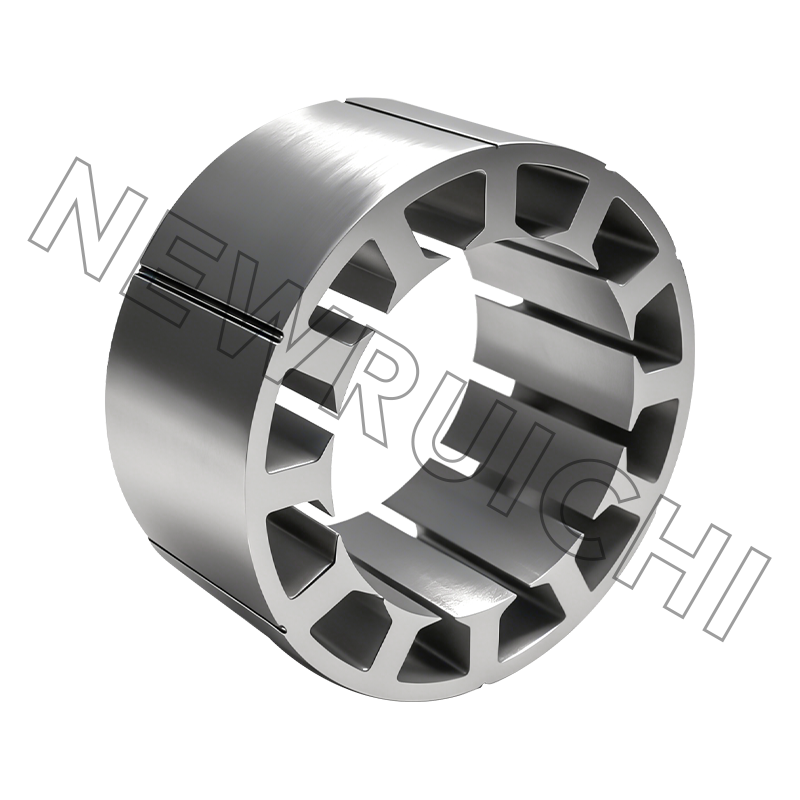
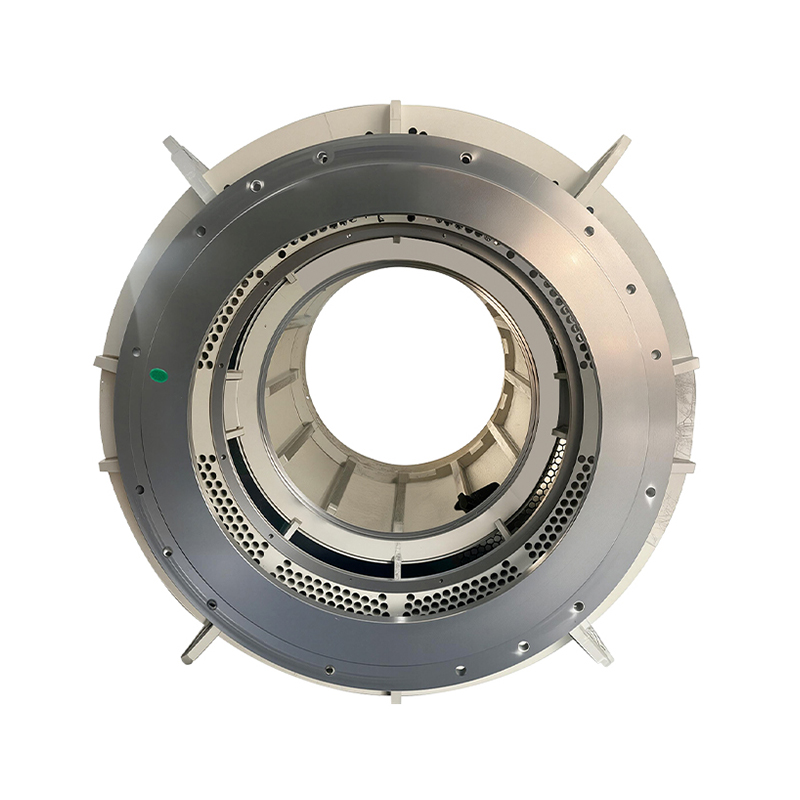
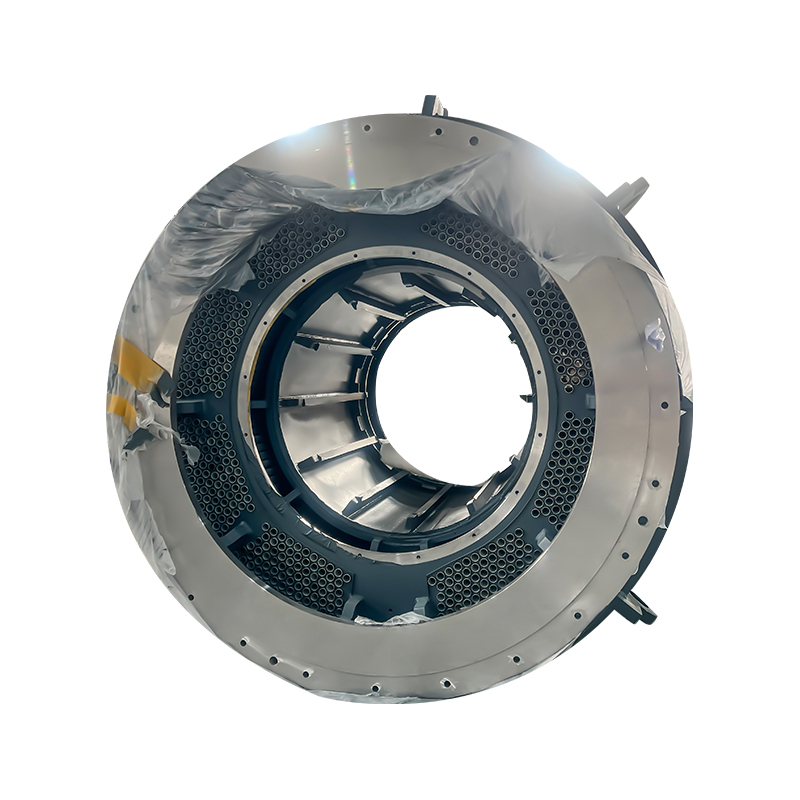
Incoming inspection usually comes down to four numbers: burr height below 0.05 mm, stacking factor between 0.95 and 0.97, air gap uniformity within 10 percent of nominal, and interlamination pressure tight enough to stop the stack singing at twice line frequency without crushing the insulation coating. A loose stack shows up later as elevated core loss, higher noise, and in the worst case fretting between laminations. The link between lamination geometry and running behaviour is covered in more depth in this guide to stator core laminations.
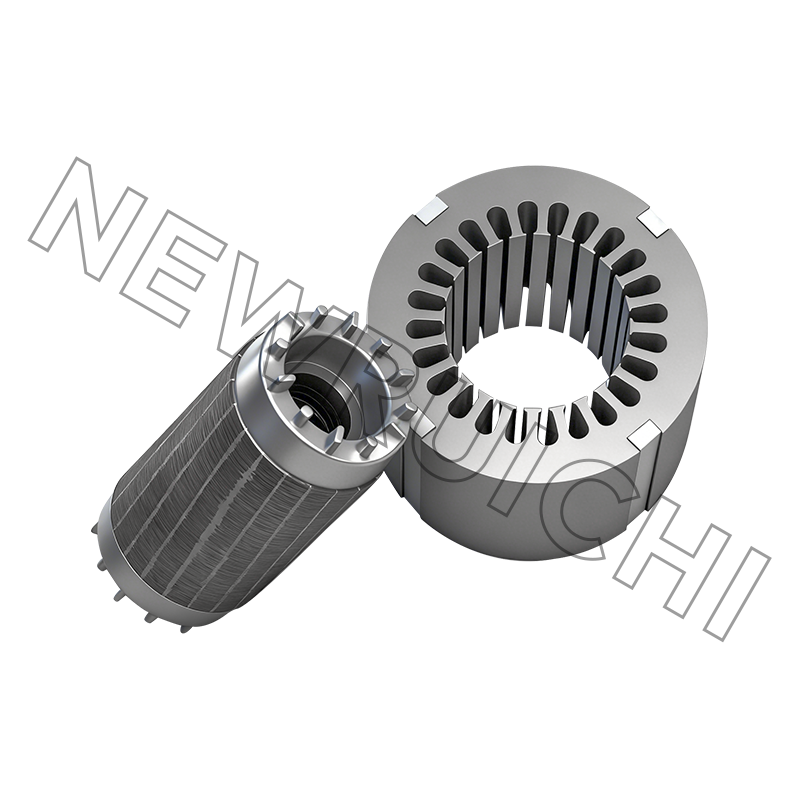
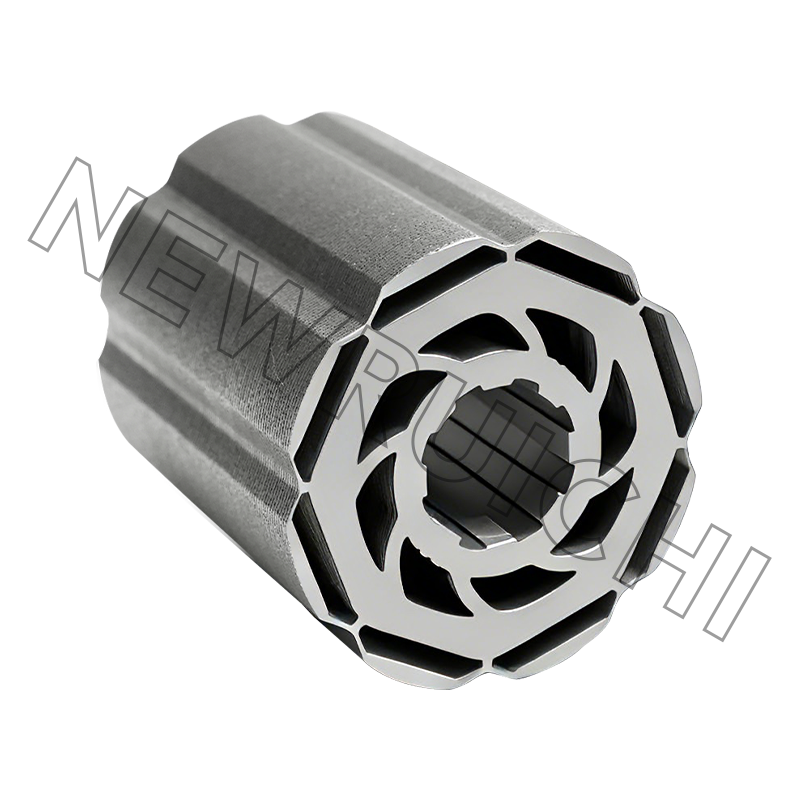
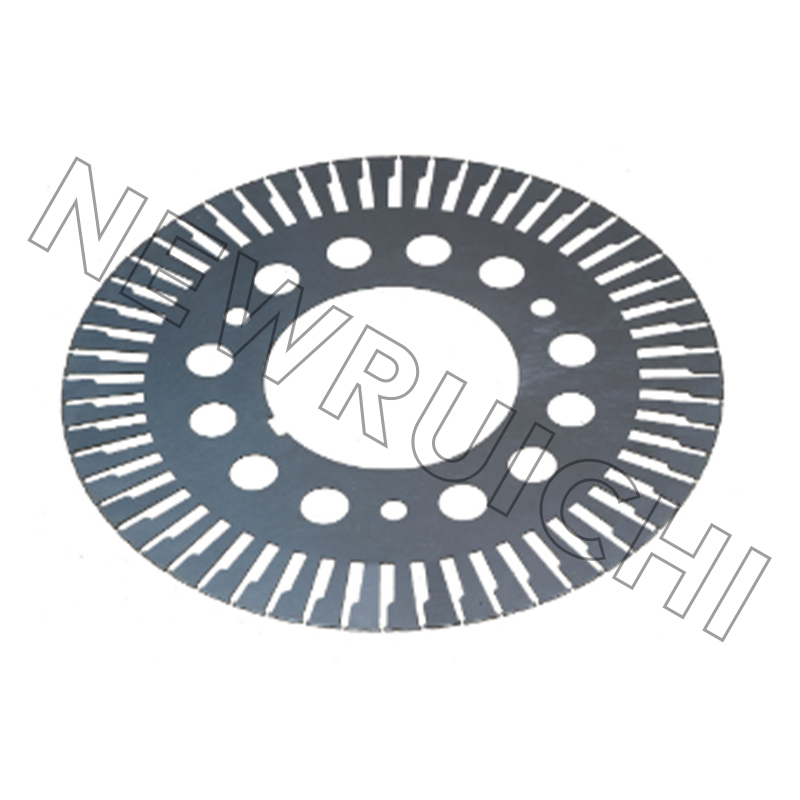 AC Motor Stator and Rotor LaminationsAC motors serve as the core of modern industrial systems, and the performance of their stator and rotor cores directly influences motor efficiency, reliability, and no...View Product →
Single-Phase Against Three-Phase: A Practical Comparison
Most selection arguments come down to a handful of measurable differences rather than preference.
Loss Breakdown: The Numbers Behind the Nameplate
A datasheet quotes one efficiency figure. In service, five loss components share the watts, and only some of them can still be influenced after the motor is ordered.
Two of these are decided at the drawing stage. Core loss responds to steel grade, sheet thickness and how the laminations are joined; stray load loss responds to slot geometry, air gap and the quality of the stack surface. A buyer who accepts an unspecified core is accepting an unspecified 32 percent of total losses.
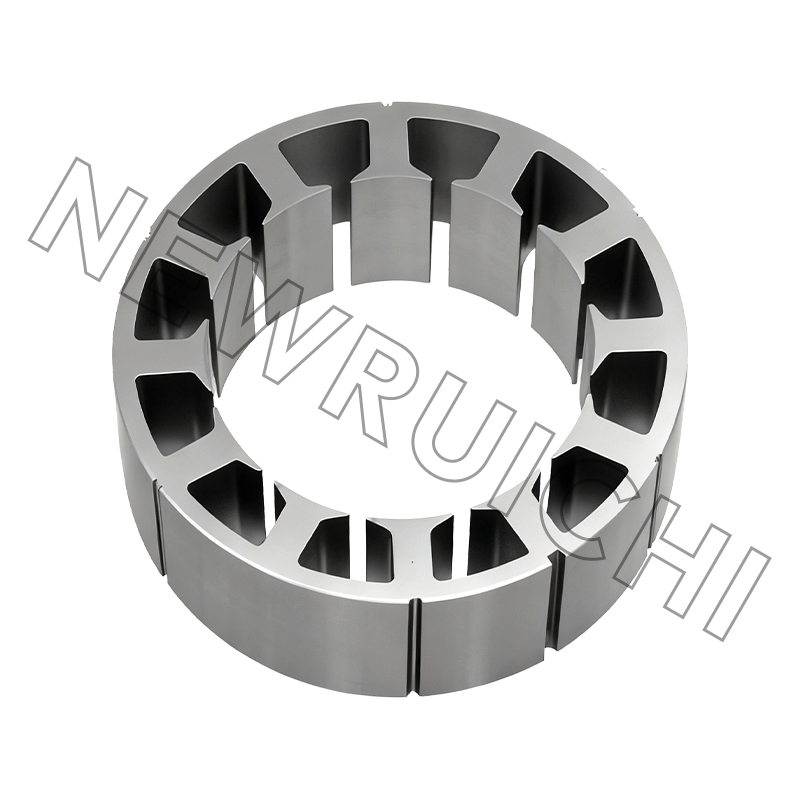
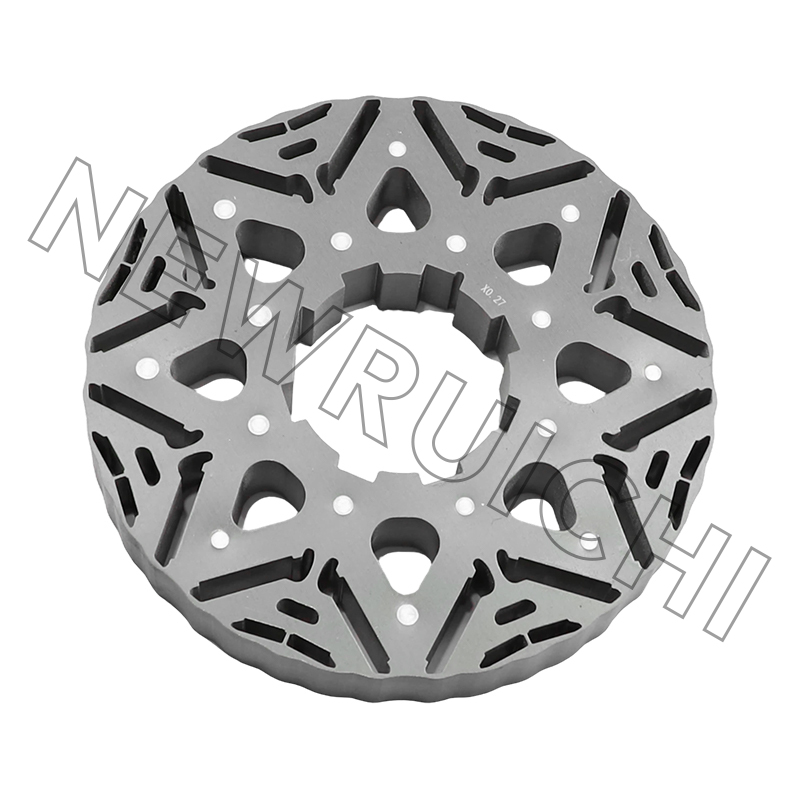
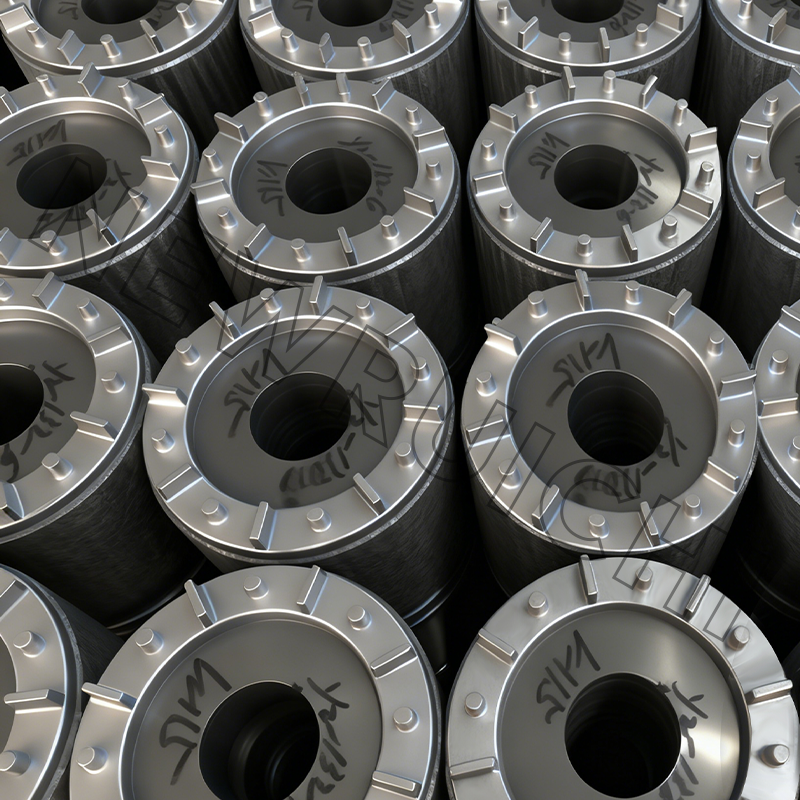 Interlock Laminated CoreOur Interlock Laminated Core is manufactured using advanced techniques, featuring a weld-free and glue-free design that enhances production efficiency while ensuring p...View Product →
Where Three-Phase Motors Do the Work
Installed base shows where volume sits, and volume is what determines which mechanical features are standard and which are specials.
- Pumps and fans: 34 percent
- Compressors: 18 percent
- Conveyors and material handling: 15 percent
- Machine tools and metalworking: 12 percent
- HVAC and refrigeration: 11 percent
- Marine, wind, mining and other: 10 percent
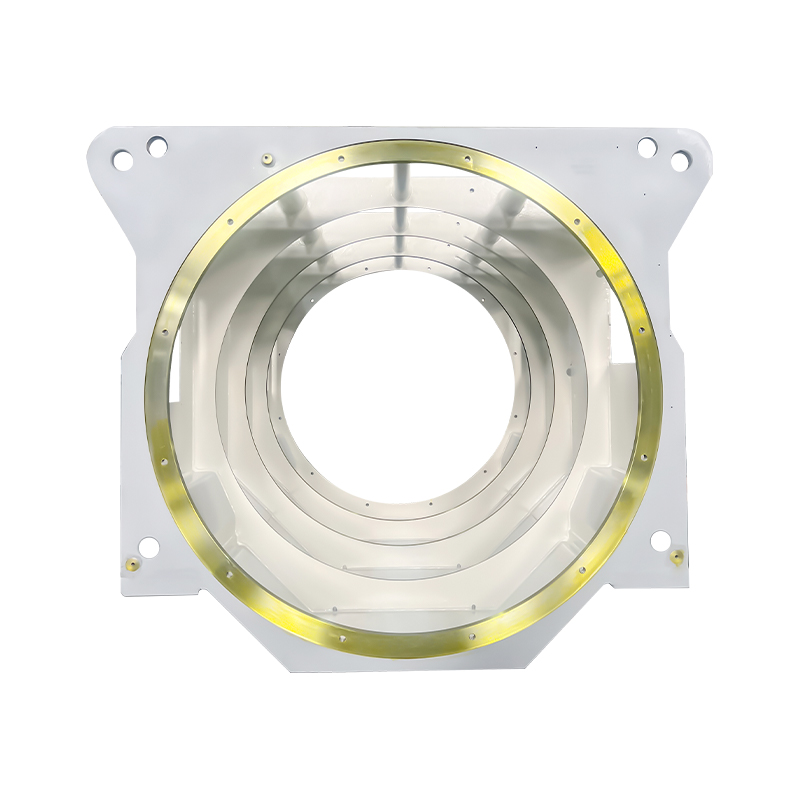
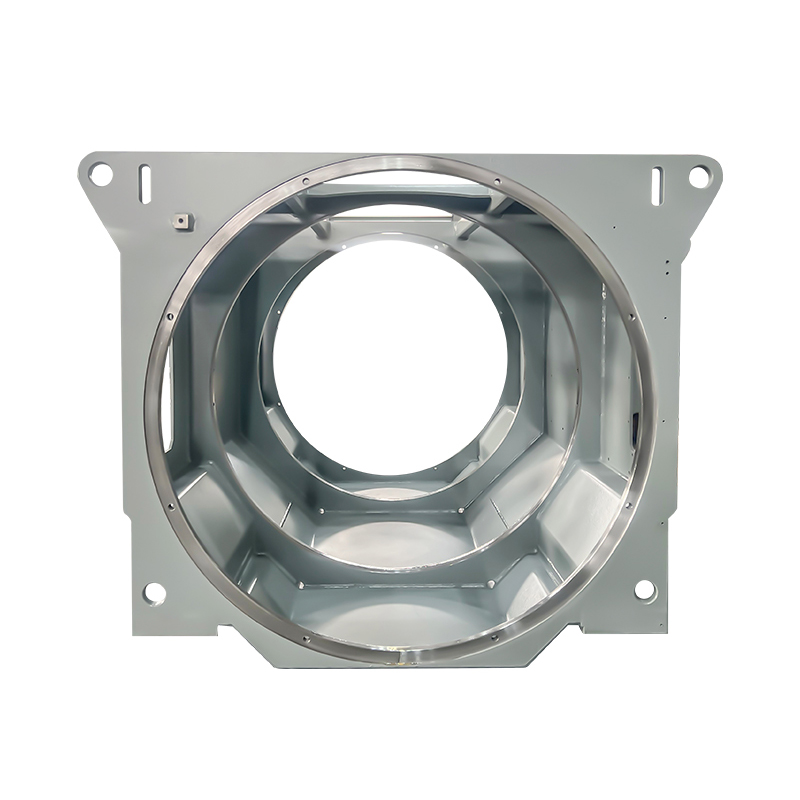
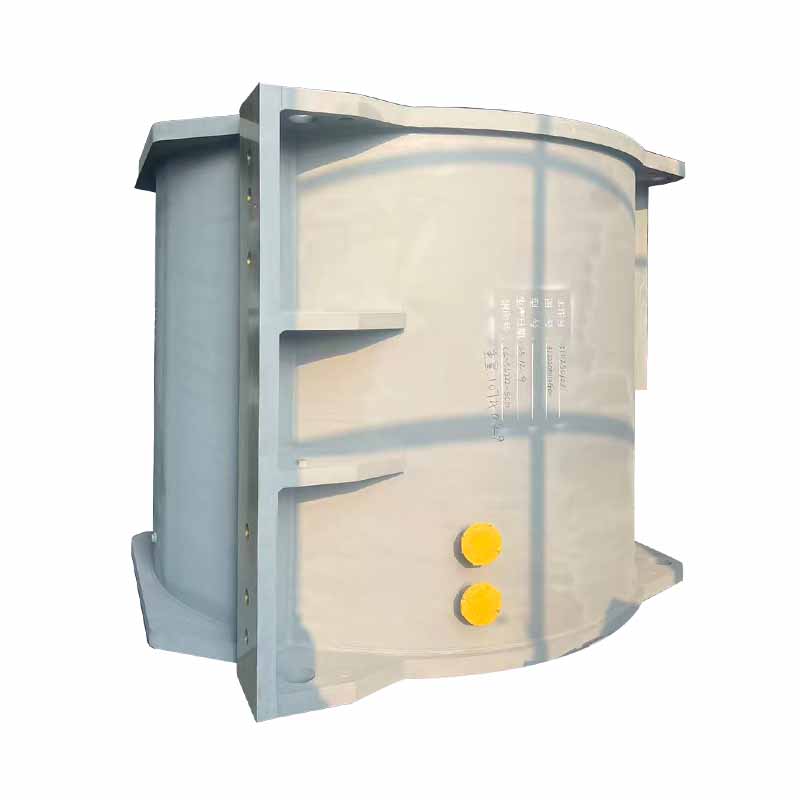
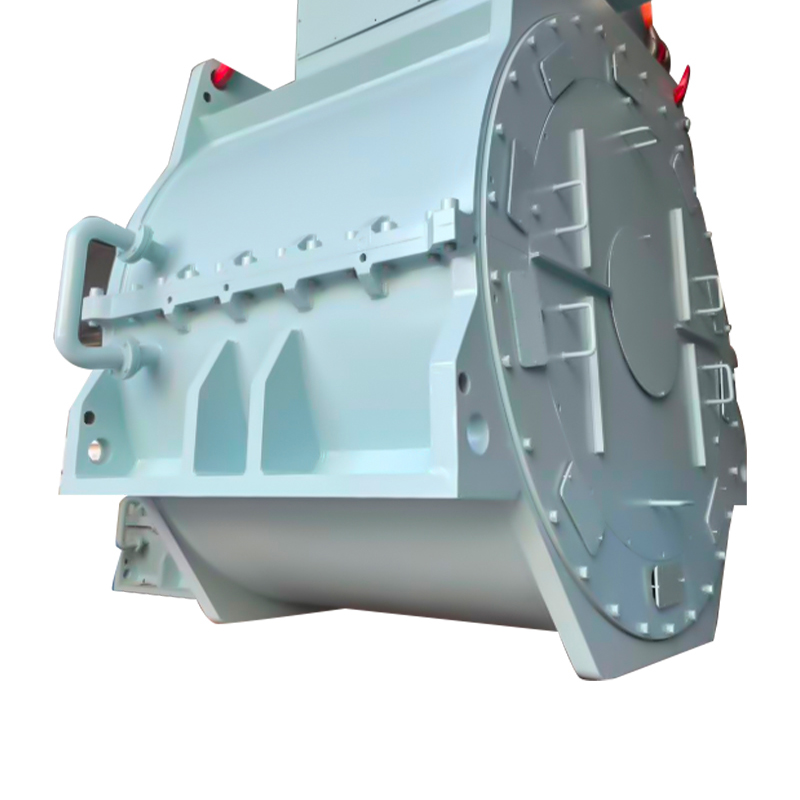
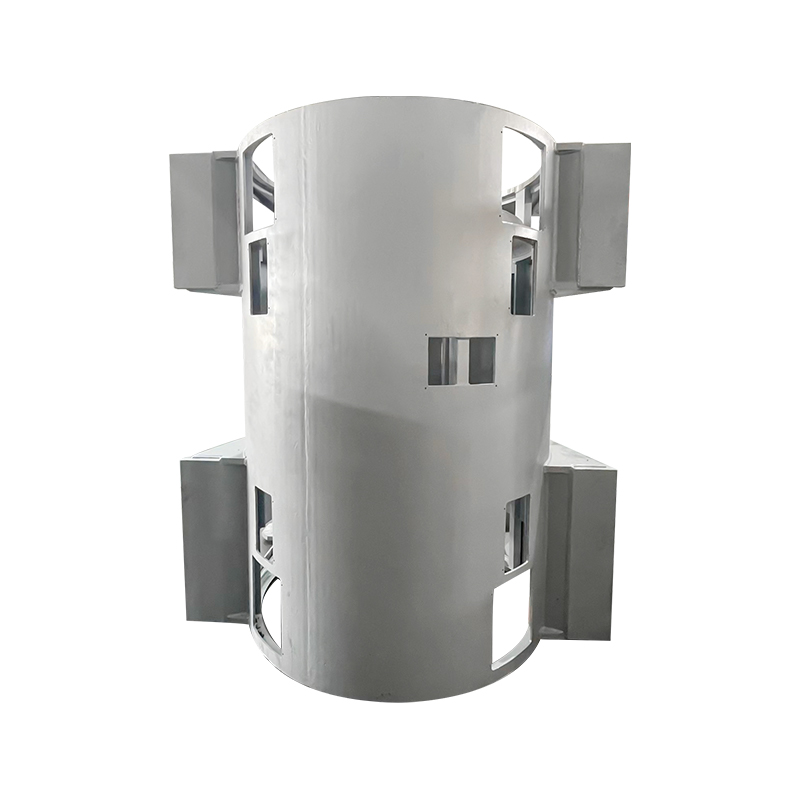
Each duty pushes different demands onto the housing. A general-purpose pump motor needs little more than a stiff foot mounting and a clean cooling path. A wind turbine generator base, a high-voltage industrial machine or a water-cooled marine unit needs a welded box frame with controlled distortion after welding, defined corrosion protection, and a cooling arrangement that survives salt spray or continuous part-load running. Those are fabrication problems before they are electrical ones.
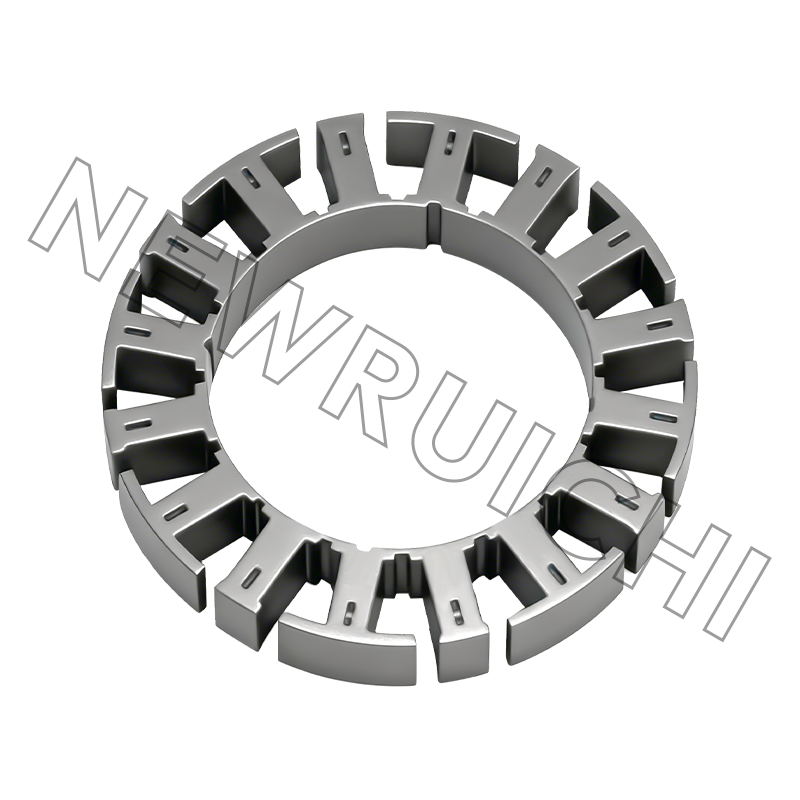
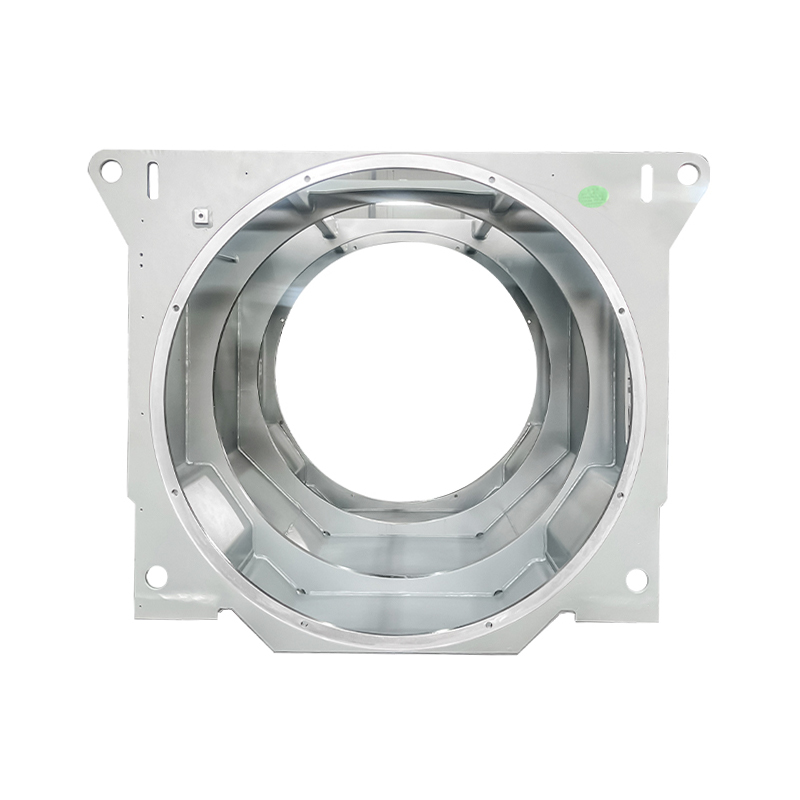
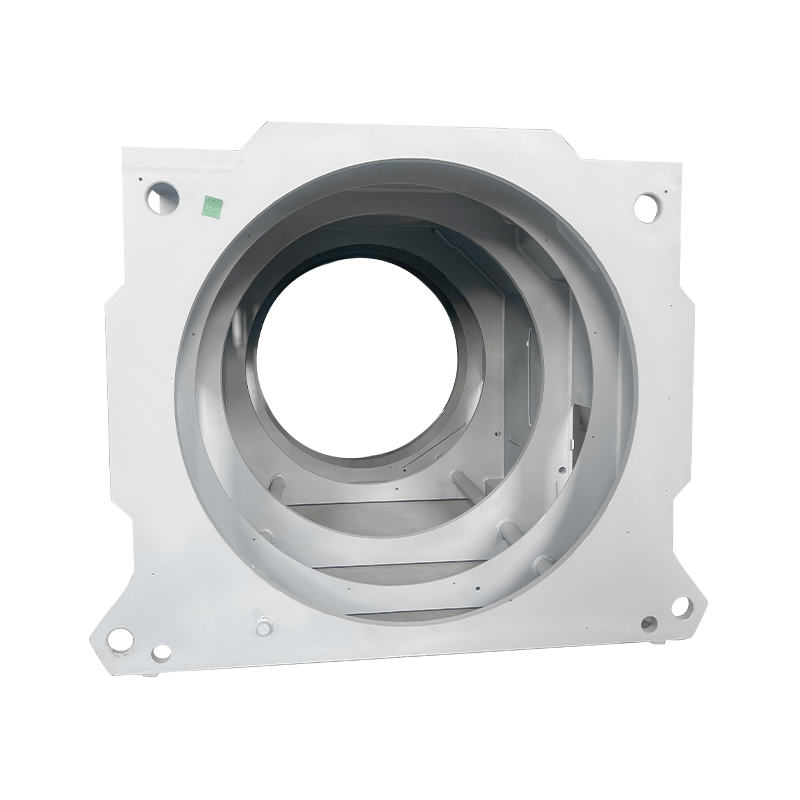 Industrial Welded Box-Type Motor BaseI. Basic Concept and PositioningView Product →
Selection Sequence and Payback
Working through these steps in order prevents the most expensive mistake in motor procurement, which is buying a higher efficiency class than the duty can ever recover.
Step 1: Define the duty
Continuous or intermittent, load torque curve, starts per hour, ambient temperature, altitude and whether a VFD will control the speed.
Step 2: Size the frame
Match rated torque to the driven load with a working margin of 15 to 25 percent. Oversizing for safety costs power factor at part load and rarely buys reliability.
Step 3: Set the efficiency class
IE3 is the baseline in most markets. IE4 earns its premium above roughly 4,000 running hours a year.
Step 4: Specify the core
Lamination grade, sheet thickness, stacking method and stack length. This is where an efficiency claim is either supported or quietly abandoned.
Step 5: Confirm enclosure and cooling
IP rating, cooling method, corrosion class for marine or offshore duty, and whether the frame can be repaired rather than replaced.
Payback check: a 75 kW four-pole motor running 6,000 hours a year at 0.12 USD per kWh draws about 473,700 kWh at 95.0 percent efficiency. Moving to 95.4 percent saves roughly 2,000 kWh, about 240 USD a year. Moving to 96.0 percent saves about 4,900 kWh, or 590 USD a year, which is normally repaid within three to five years on continuous duty. On a two-shift duty the same upgrade can take a decade, and a better core in an IE3 frame is usually the smarter spend.
Maintenance and Compliance Points That Get Audited
Efficiency standards, vibration limits and welding quality systems are the three areas where paperwork and hardware must agree.
- Efficiency and rating: IEC 60034-30-1 defines the IE classes, and IEC 60034-1 sets the rating basis. Class F insulation with a class B temperature rise remains a common way to buy thermal margin.
- Vibration: ISO 20816-1 replaces the older ISO 10816 limits for acceptance testing. Zone A and B boundaries are the reference during commissioning.
- Shaft currents on VFD duty: an insulated bearing at the non-drive end plus a shaft grounding ring prevents the fluting that ruins bearings within a year on large drives.
- Insulation resistance: IEEE 43 guidance sets the minimum at one megohm plus one megohm per kV of rated voltage, corrected to 40 degrees Celsius.
- Welded frames and structures: ISO 3834 welding quality requirements, combined with ISO 9001, IATF 16949 for automotive and traction supply, and ISO 14001, cover the documentation buyers now request with quotations.
- Corrosion protection: marine and offshore housings live or die by coating specification and surface preparation, not by paint brand.
A simple trending programme catches most of this early: quarterly vibration readings, annual thermography, insulation resistance at each shutdown, and motor current signature analysis on any drive that cannot be taken offline.
The practical conclusion is that a three-phase motor is a system, and the parts that wear, sing, overheat or waste energy are mechanical and metallurgical: the core, the frame, the air gap, the bearings and the cooling path. Buyers who specify lamination grade, sheet thickness, stacking method and frame construction alongside the electrical rating get a machine whose nameplate efficiency survives contact with the plant floor.
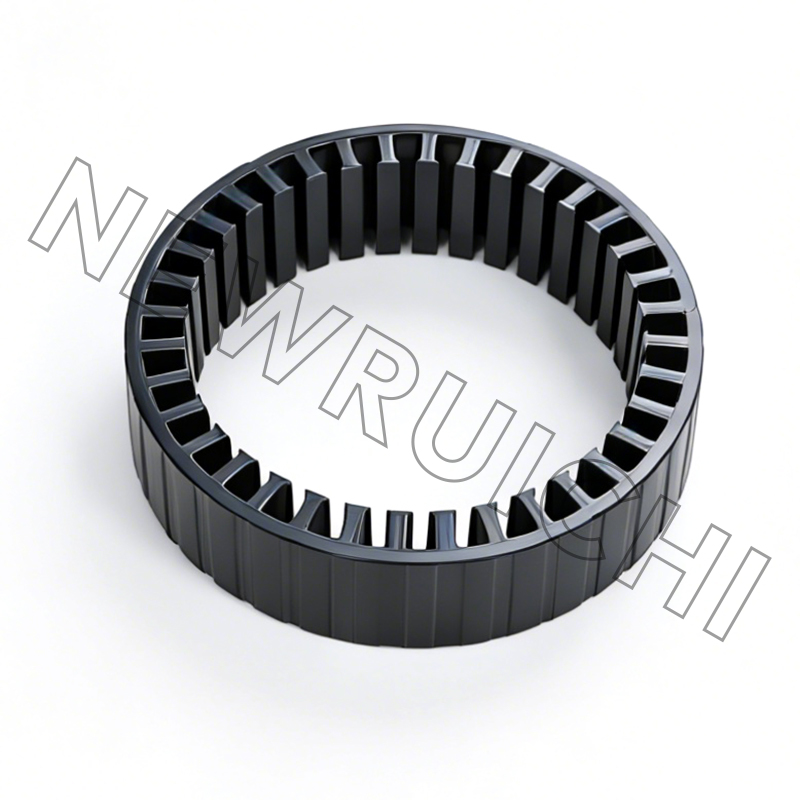
That chain from silicon steel through stamped laminations, finished cores and welded frames is exactly what our manufacturing capabilities are organised around, with sample-level prototyping for new designs and volume supply for established programmes.
Your email address will not be published. Required fields are marked *


 Email: [email protected]
[email protected]
 Telephone/Phone:
+86-18861576796 +86-18261588866
+86-15305731515 +86-18861576796
Copyright © Wuxi New Ruichi Technology Co., Ltd. / Wuxi Cailiang Machinery Co., Ltd. All rights reserved.
Stator And Rotor Cores Manufacturers
