 en
 русский
 Deutsch

2 Phase Motor vs 3 Phase Motor: Torque, Wiring, Efficiency, and Cost Comparison
A 2.2 kW pump drive goes out for quotation and comes back as two different machines. One supplier proposes a two-phase package: a 90 degree quadrature winding set, a matched amplifier, and four power conductors in the bill of materials. The other proposes a three-phase induction motor that bolts straight onto the variable frequency drive already sitting in the panel. Both will turn the pump. Only one will still look like the right decision when the machine enters series production.
Part of the confusion is naming. "Two-phase" gets used for three different things at the drawing board: a true two-phase machine with two windings 90 degrees apart, a two-phase servo or stepper motor with a reference winding and a control winding, and the auxiliary winding of what is really a single-phase induction motor. Suppliers use the same label for all three, and that is where expensive specification errors start.
Conclusion first: above roughly 1 kW of continuous duty, specify three-phase. Torque smoothness, conductor economy, frame size, spares and drive availability all favour it. Below that threshold, in positioning axes and legacy control cabinets, a two-phase design is often cheaper to build and simpler to tune. The decision rests on four measurable items: torque ripple, conductor count, frame utilisation and drive availability.
Content
- 1 What Actually Separates a Two-Phase Motor from a Three-Phase Motor
- 2 Two-Phase vs Three-Phase Motors: A Side-by-Side Comparison
- 3 Hidden Metrics: Where the Phase Count Actually Costs Money
- 4 Where Each Topology Still Gets Specified
- 5 Selection Guide: Five Checks Before You Commit
- 6 Maintenance, Compliance and Long-Term Supply Notes
What Actually Separates a Two-Phase Motor from a Three-Phase Motor
The difference starts in the winding, not on the nameplate. A three-phase stator carries three identical windings displaced 120 degrees electrical. Fed with balanced currents, the resulting magnetomotive force holds a constant magnitude and rotates at synchronous speed, which is why three-phase torque stays smooth under load. A true two-phase stator carries two windings displaced 90 degrees, and when both are driven with balanced currents it also produces a constant rotating field.
Two-phase is therefore not automatically rougher than three-phase. The roughness appears when the quadrature supply drifts out of balance: the field becomes elliptical, air-gap flux pulsates, and torque ripples at twice slip frequency. A capacitor network holds the 90 degree relationship at one operating point only, which is why a two-phase motor needs a servo drive once the load varies.
What the phase count changes in hardware
- Three-phase, three-wire: three line conductors carry the motor load and no neutral is needed, so cable, terminals and contactors stay smaller.
- Two-phase, four-wire: four conductors and four terminals, with roughly 25% more copper in the supply cable for the same power.
- Power per conductor: at equal conductor cross-section and equal line-to-line voltage, a three-phase three-wire circuit moves about 1.2 times the power of a two-phase four-wire circuit.
- Starting: a three-phase motor self-starts on direct-on-line supply, while a two-phase motor needs a quadrature supply, a capacitor network or an electronic drive.
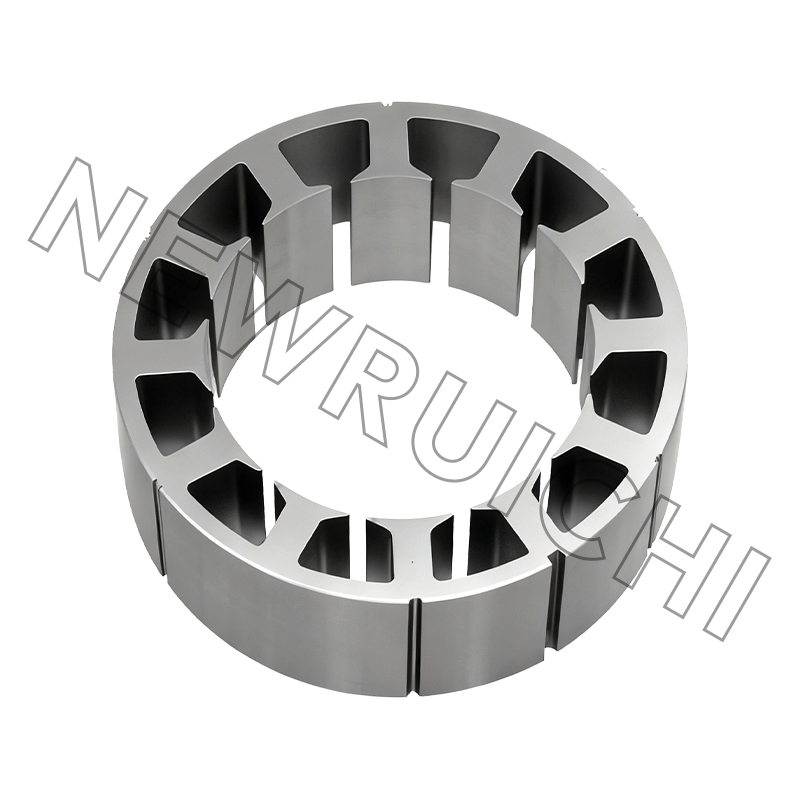
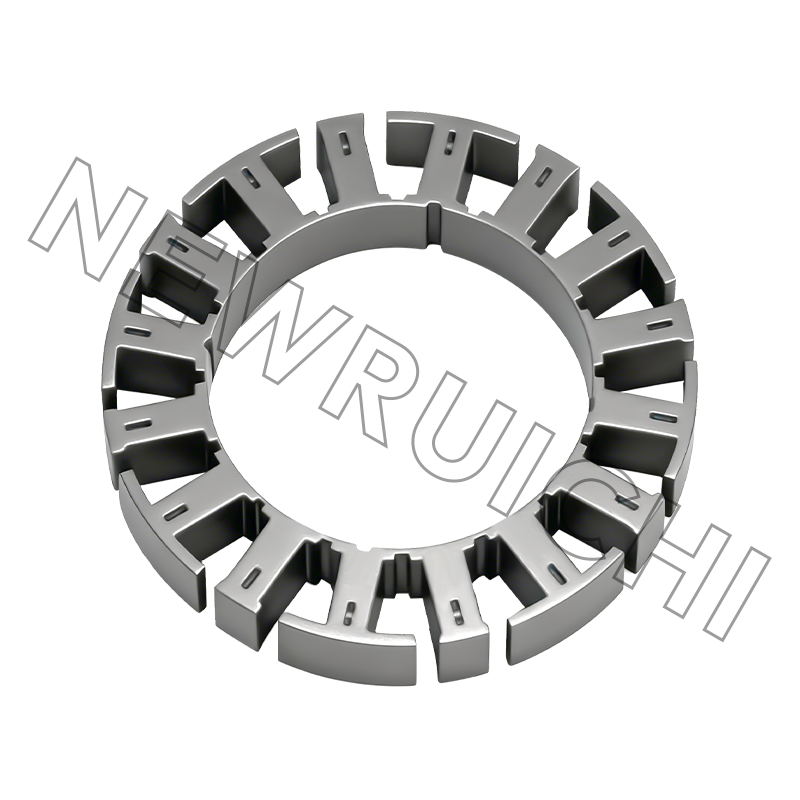
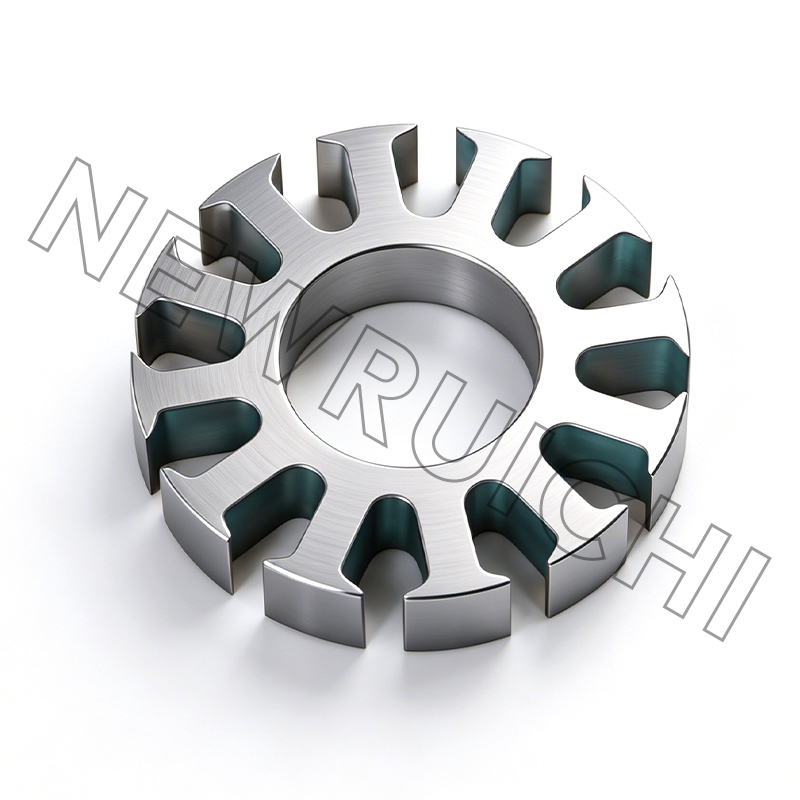
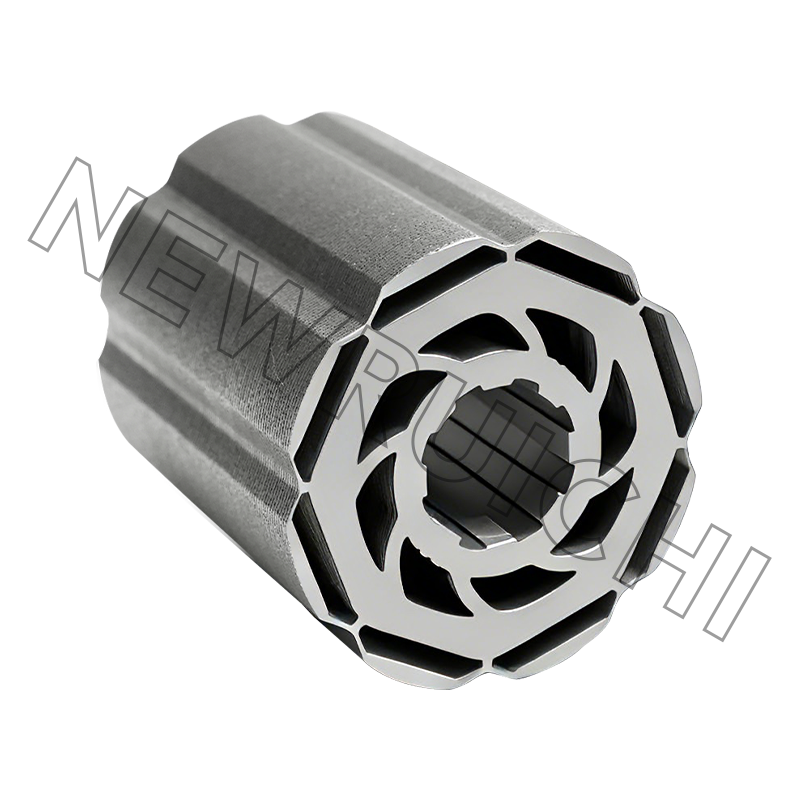
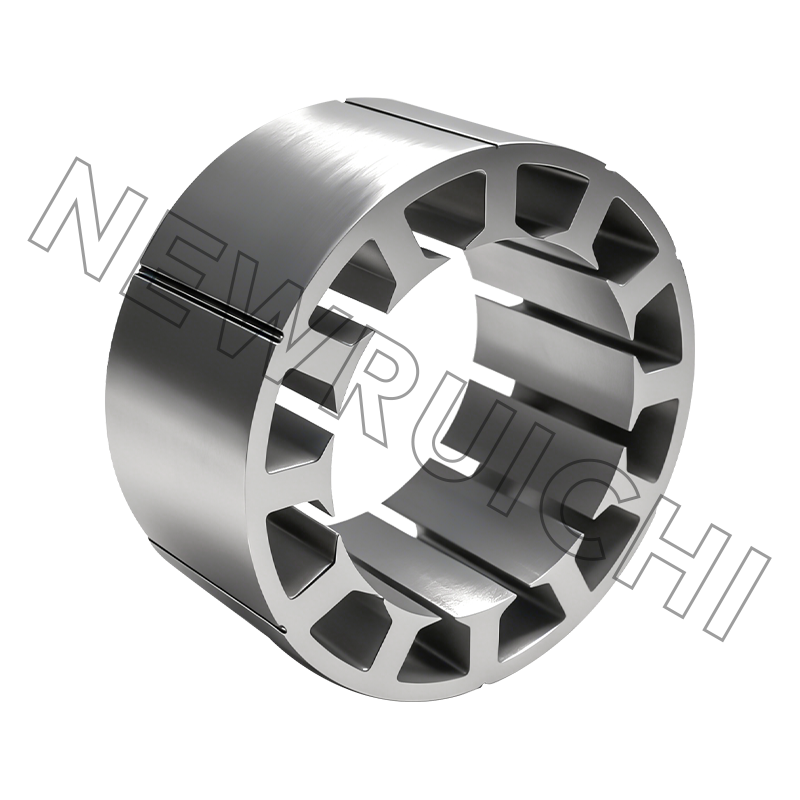
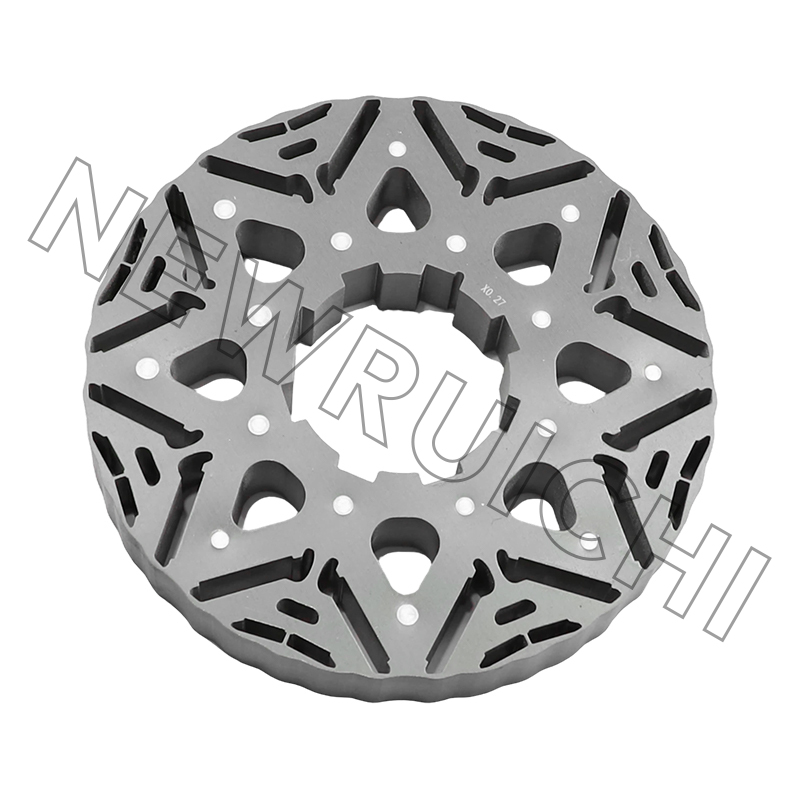
Both designs sit on the same foundation: a laminated stator and rotor core. Slot number, skew, stack length and the lamination joint method decide the torque ripple measured on the test bench, and the same press tooling serves either winding arrangement. That overlap is why core specification usually matters more than the phase label in early design reviews.
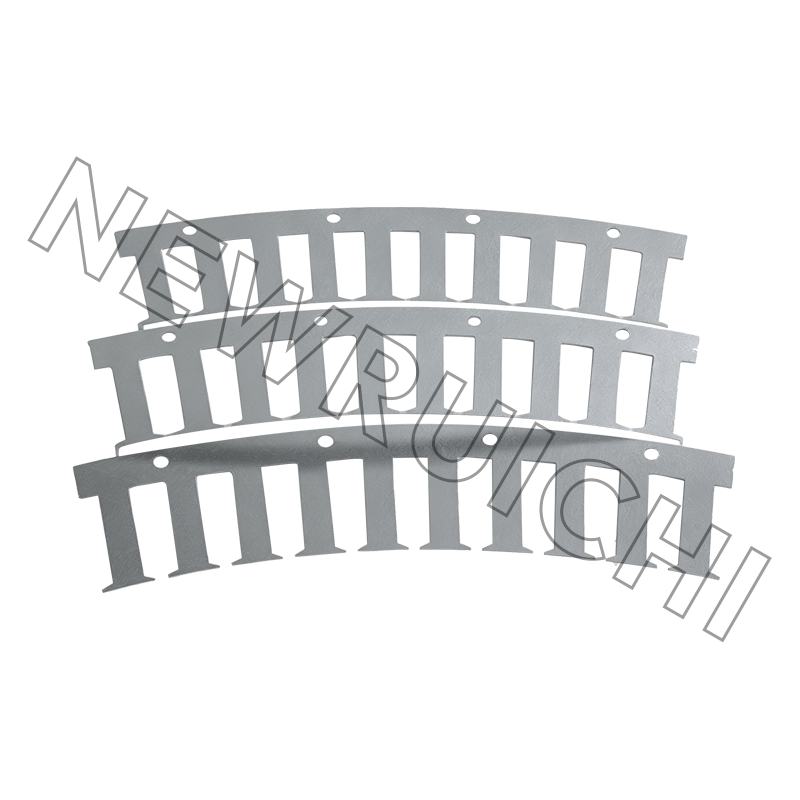 AC Motor Stator and Rotor Core AssemblyAC motors serve as the core of modern industrial systems, and the performance of their stator and rotor cores directly influences motor efficiency, reliability, and no...View Product →
Two-Phase vs Three-Phase Motors: A Side-by-Side Comparison
The comparison below describes balanced two-phase supply and three-phase supply respectively. Unbalanced two-phase operation degrades every figure in the right-hand column.
Hidden Metrics: Where the Phase Count Actually Costs Money
Nameplate power hides most of the difference. The five indices below place a balanced two-phase motor next to a three-phase motor of the same rated output on a shared scale where three-phase equals 100. They are relative benchmarks from typical lamination and winding practice, not absolute measurements.
Drive availability is where two-phase loses the most ground. Standard variable frequency drives, soft starters and direct-on-line contactors assume three-phase output, and a two-phase axis needs either a matched amplifier or a capacitor network that holds the 90 degree relationship only near rated speed. Frame compactness follows the same logic: a three-phase winding distributes copper around the full stator circumference, so a given frame carries more torque before the windings saturate.
Material grade moves these numbers as much as the phase count does. Core loss, lamination thickness and coating quality change iron loss in both topologies, and a lower-loss steel often recovers more efficiency than a phase change at the same frame size. The material trade-offs are set out in this guide to silicon steel coil selection.
Stacking method is the second lever. Interlock, adhesive-bonded and welded cores differ in stacking factor and in the risk of inter-lamination shorts, which shows up as extra eddy loss and, in sensitive axes, as measurable torque ripple at low speed. For positioning work where ripple is the limiting factor, an interlocked stack gives repeatable build height without bonding cure time.
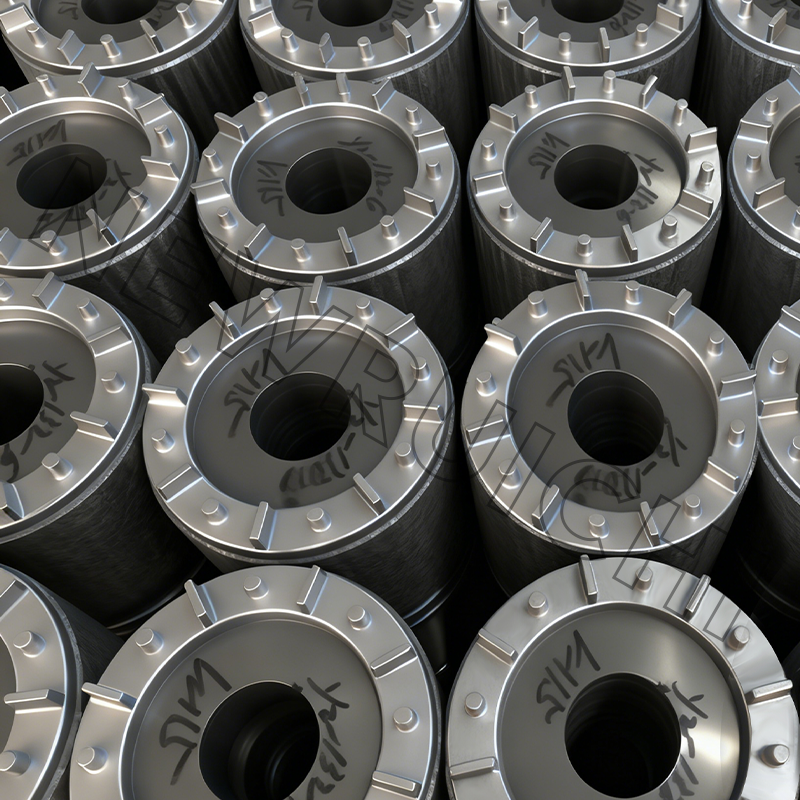 Interlock Laminated CoreOur Interlock Laminated Core is manufactured using advanced techniques, featuring a weld-free and glue-free design that enhances production efficiency while ensuring p...View Product →
Where Each Topology Still Gets Specified
A rough spread of what passes through lamination presses and frame welding lines today looks like the chart below. Treat it as a component supplier's order mix rather than market research.
Two-phase demand concentrates in positioning: servo axes, stepper drives, optical and medical instruments, and older control cabinets that were never rewired. Output rarely exceeds a few kilowatts, and the motor is usually chosen by the drive vendor rather than the machine builder.
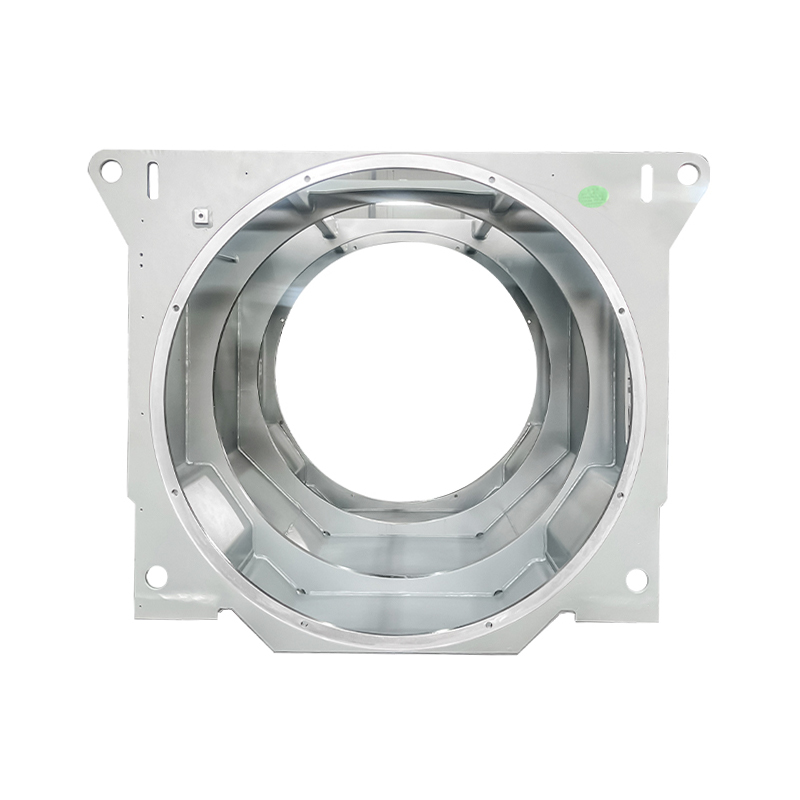
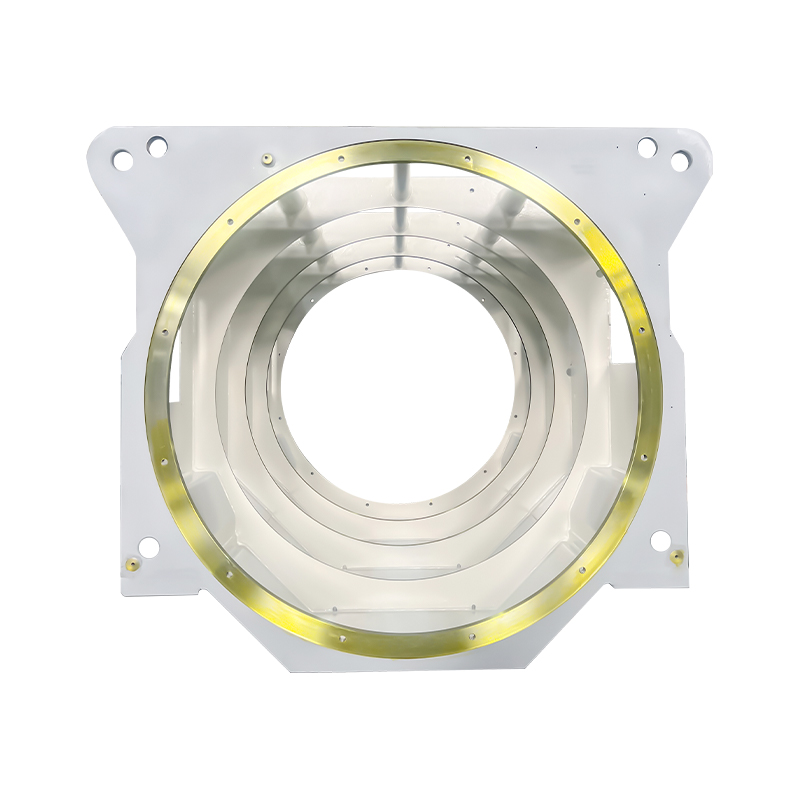
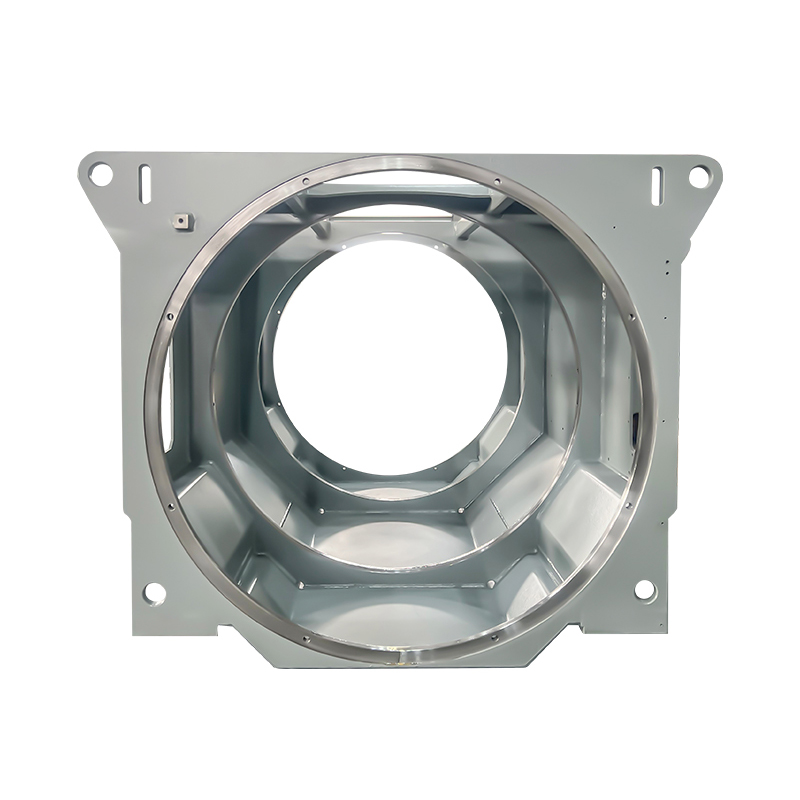
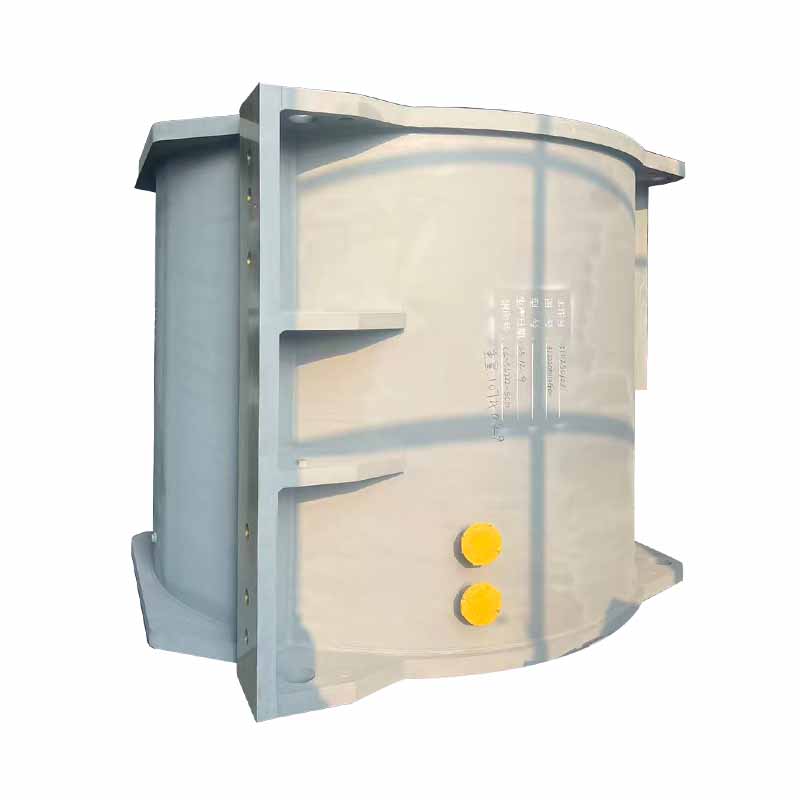
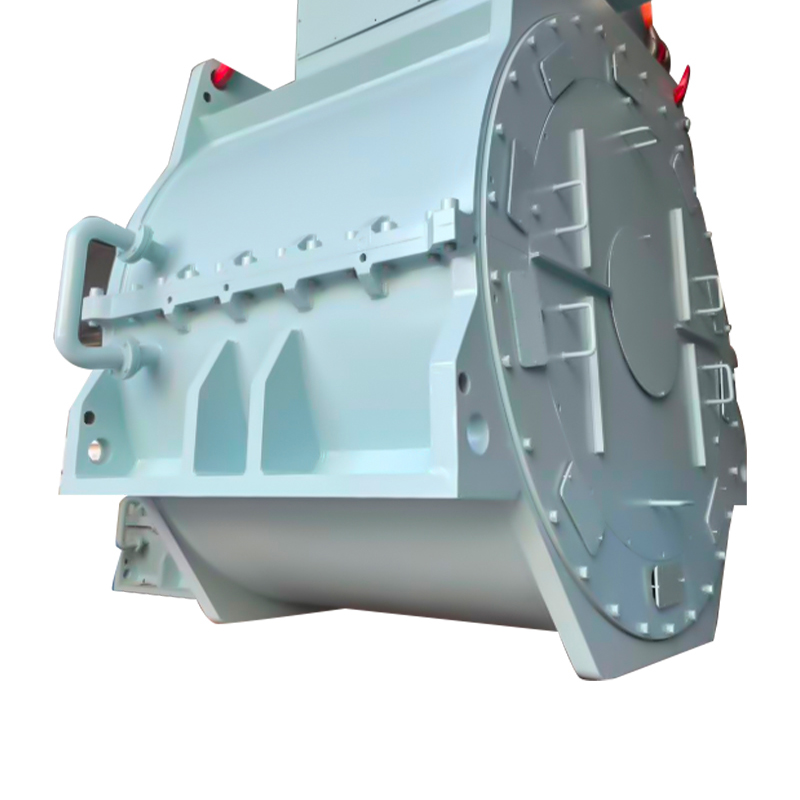
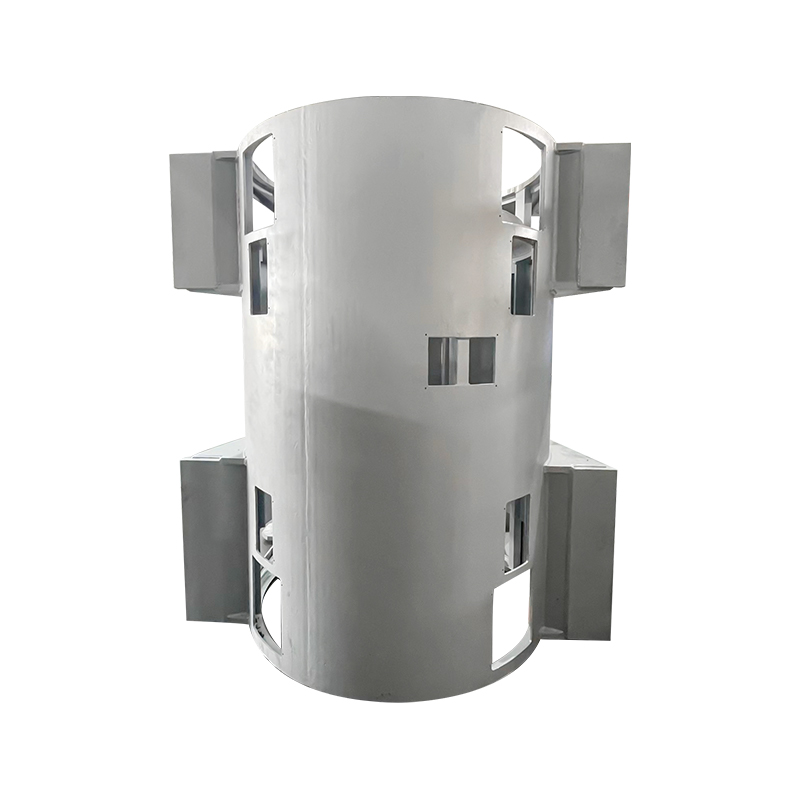
Three-phase takes everything that runs continuously or at high power. Wind turbine generators, marine propulsion and high-voltage industrial motors all use three-phase windings, and the mechanical side is equally indifferent to phase count: a welded box-type frame with the right cooling path, mounting interface and corrosion protection serves the machine either way, as in these industrial welded box-type motor bases.
Selection Guide: Five Checks Before You Commit
Work through these in order. The first three usually settle the phase count before price enters the discussion.
If a three-phase supply or a standard VFD is already in the panel, three-phase wins on spares, cable size and contractor familiarity. A two-phase build only makes sense when the panel is already committed to a quadrature drive.
Continuous duty, high inertia and frequent starts favour three-phase. Short, intermittent positioning moves with low inertia favour two-phase.
Below roughly 1 kW, with encoder feedback and low inertia, a two-phase axis is often the cheapest way to hold position. Above that, a three-phase motor on a closed-loop drive costs less per newton-metre.
Slot count, skew, stacking method and steel grade decide ripple and loss. Order a sample stack before cutting production tooling, because tolerance problems surface on the first prototype.
Confirm system coverage, material certificates and test reports before the first shipment. Our manufacturing flow keeps material, punching, stacking, welding and frame assembly under one traceability chain.
Maintenance, Compliance and Long-Term Supply Notes
The phase count changes the electrical design, but the maintenance and compliance duties that follow a machine into service are largely shared:
- Voltage imbalance: three-phase motors tolerate roughly 1 to 2 percent imbalance before negative-sequence current heats the rotor and forces derating. Log imbalance during commissioning and after any panel modification.
- Insulation and thermal class: verify temperature rise against the insulation class, especially in compact two-phase servo frames where the winding runs closer to its thermal limit.
- Shaft voltage under PWM: common-mode currents from variable frequency drives can flute bearings over time. Insulated bearing end closures on the non-drive end are a standard remedy for both two-phase servo and three-phase drive motors.
- Welded structures: frames produced under a welding quality management system such as ISO 3834 carry documented process control, which matters for marine and wind applications where weld integrity and corrosion protection are audited.
- Management systems: ISO 9001 and IATF 16949 coverage tells a procurement team that incoming material, process parameters and final inspection follow a documented route. Ask for the certificate scope, not just the certificate.
Whichever phase count a project settles on, the mechanical and magnetic supply chain barely changes. Silicon steel, laminations, stacked cores, welded frames and end closures serve a two-phase axis and a three-phase drive train with the same process discipline. Settling those specifications during design review is always cheaper than discovering them during prototype assembly.
Your email address will not be published. Required fields are marked *


 Email: [email protected]
[email protected]
 Telephone/Phone:
+86-18861576796 +86-18261588866
+86-15305731515 +86-18861576796
Copyright © Wuxi New Ruichi Technology Co., Ltd. / Wuxi Cailiang Machinery Co., Ltd. All rights reserved.
Stator And Rotor Cores Manufacturers
