 en
en
 русский
 Deutsch
Motor Fan Types, Motor Technologies & Applications
Content
What Is a Motor Fan and How Does It Work?
Electric motors account for more than 40% of global electricity consumption — and fans are among the most common loads they drive. A motor fan is a device that converts electrical energy into airflow by using an electric motor to spin a set of blades or an impeller. The result is forced air movement used for ventilation, cooling, exhaust, or circulation across virtually every industry on the planet.
At the core of every motor fan is a straightforward energy conversion: electrical input spins a rotor, and the rotating blades accelerate air in a controlled direction. Two fundamental designs define how that air moves. Axial fans draw air in parallel to the shaft axis and push it out in the same direction — think of a standard ceiling fan or a server cooling unit. Centrifugal fans, by contrast, draw air in axially and expel it radially at 90 degrees to the intake, generating significantly higher pressure and making them the go-to choice for ducted systems and industrial process ventilation.
The performance of both designs depends heavily on what happens inside the motor itself — particularly the quality of the stator and rotor cores that create the electromagnetic field driving rotation.
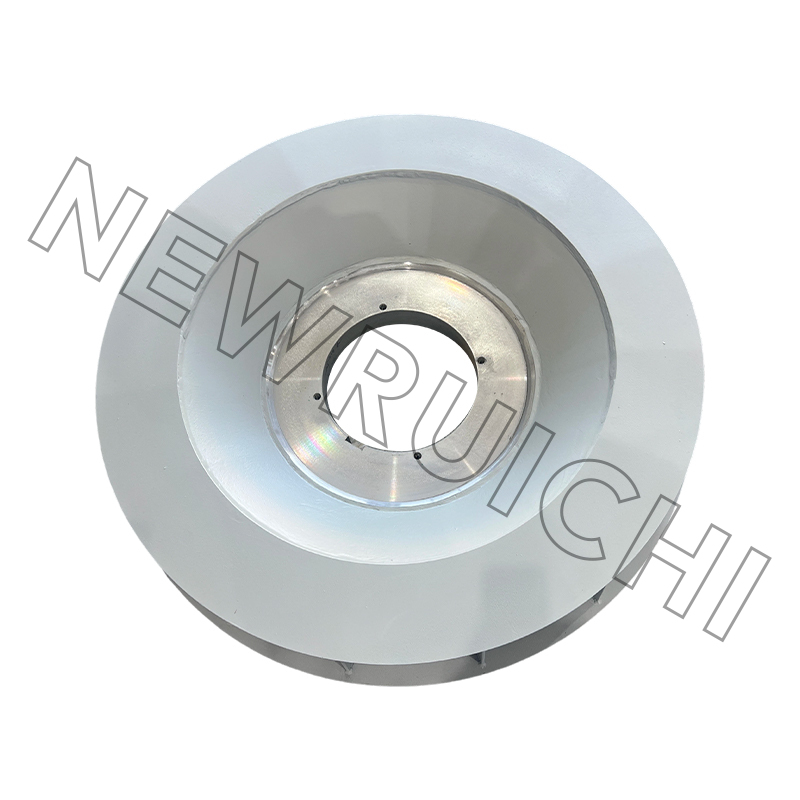
Types of Motor Fans
Motor fans come in a wide range of configurations, each engineered for specific airflow demands and environmental conditions.
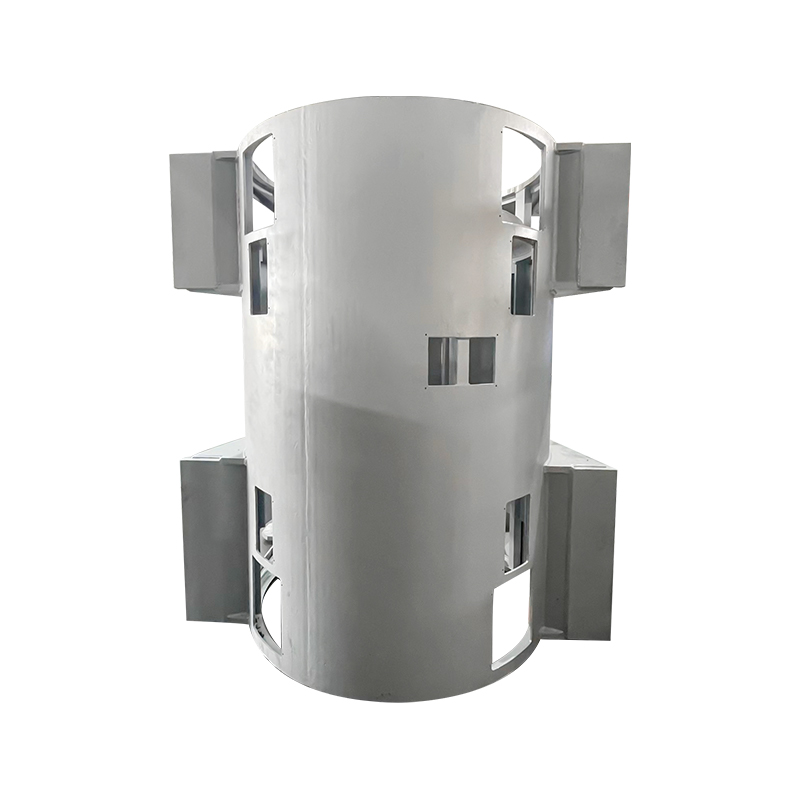
Wall-mount fans are fixed permanently to walls, freeing up floor space while delivering consistent directional airflow. They are standard fixtures in commercial kitchens, warehouses, and manufacturing floors where continuous ventilation matters. Drum fans use a large cylindrical housing to generate high-volume airflow at relatively low pressure, making them effective for moving large amounts of air across open spaces such as loading docks and gymnasiums.
Axial inline fans sit directly inside ductwork and move air along the duct axis. They handle moderate pressure drops and are widely used in HVAC distribution networks. Centrifugal blowers operate at higher static pressures and are preferred wherever air must travel through long duct runs, filtration media, or process equipment. For outdoor and rooftop applications, propeller fans with weatherproof motor enclosures handle condenser heat rejection in air-cooled chillers and refrigeration systems.
Specialized variants include explosion-proof fans for hazardous atmospheres and high-temperature fans designed to operate in furnace exhaust streams where standard motors would fail within minutes.
Motor Technologies Used in Fans
The motor type determines a fan's efficiency profile, maintenance requirements, and suitability for speed control. Four technologies dominate the market.
AC induction motors remain the most widely deployed option. They are rugged, straightforward to maintain, and available across a broad voltage and power range. For fixed-speed applications — exhaust fans, industrial ventilation, and cooling towers — they offer proven reliability at low initial cost. Paired with a variable frequency drive (VFD), they also support adjustable airflow without mechanical dampers.
DC motors deliver high starting torque and smooth speed control at lower power levels. You find them in automotive cabin fans, compact electronics cooling, and applications where the supply is a battery or DC bus. Their main limitation is the brush-commutator system, which introduces wear and requires periodic maintenance.
Brushless DC (BLDC) motors eliminate the brushes entirely, replacing mechanical commutation with electronic switching. The result is a motor that runs cooler, lasts longer, and operates more quietly than a brushed equivalent. BLDC technology has become the default choice for DC motor stator and rotor core solutions in premium fan products, from residential range hoods to data center cooling units.
Permanent magnet synchronous motors (PMSM) represent the current efficiency frontier. By embedding rare-earth magnets in the rotor, PMSMs achieve IE4 and IE5 efficiency levels — the highest tiers under IEC standards. Variable-speed HVAC systems and high-performance industrial fans increasingly specify PMSM drives, where the energy savings over a motor's 15–20-year service life easily justify the higher upfront cost. When 97% of a motor's lifetime cost comes from the electricity it consumes, efficiency is not a feature — it is the primary economic variable.
The Role of Stator and Rotor Cores in Fan Motor Performance
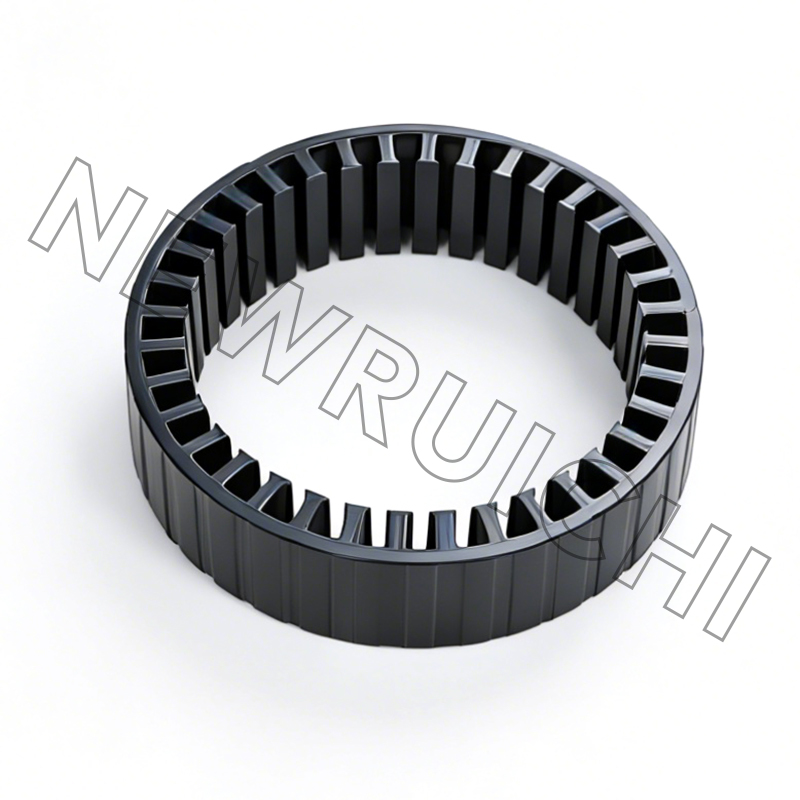
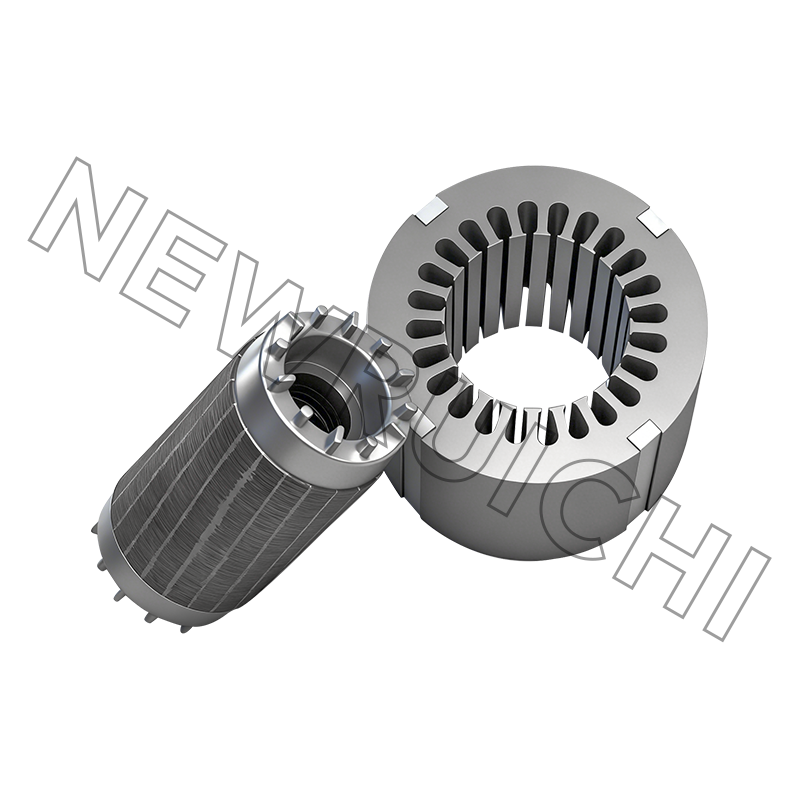
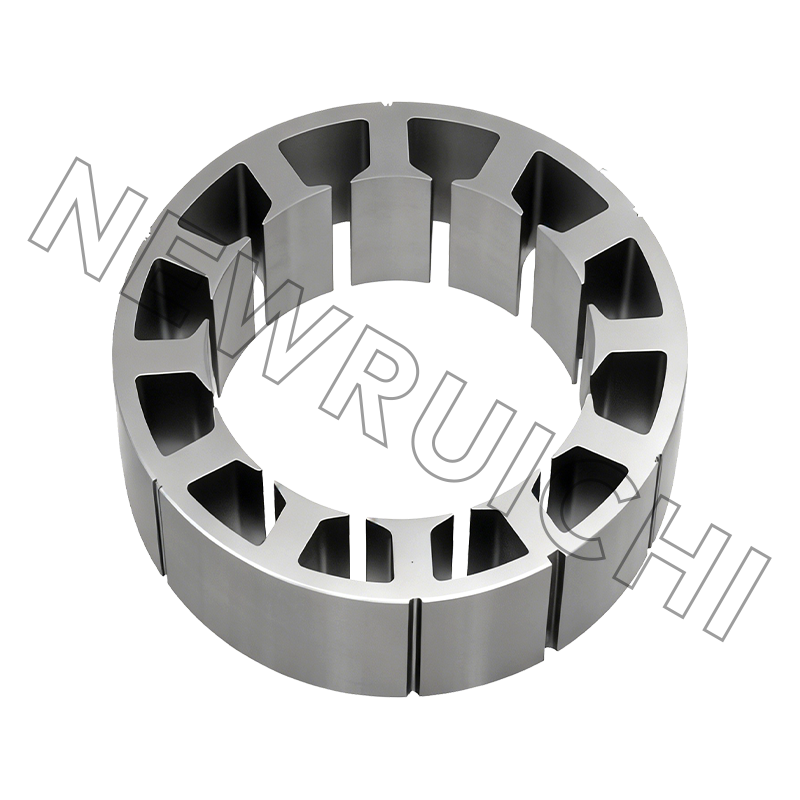
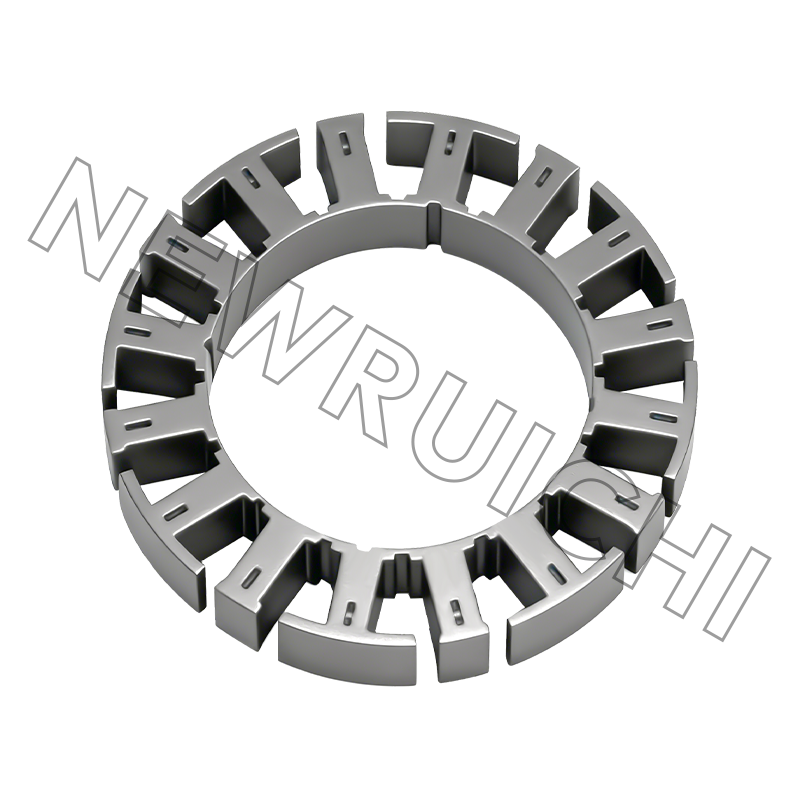
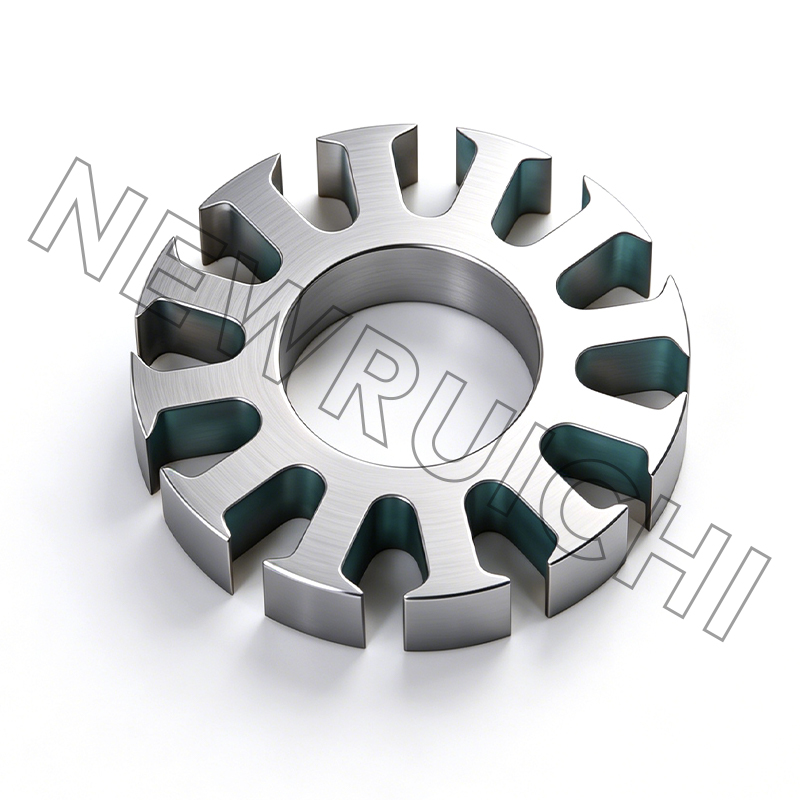
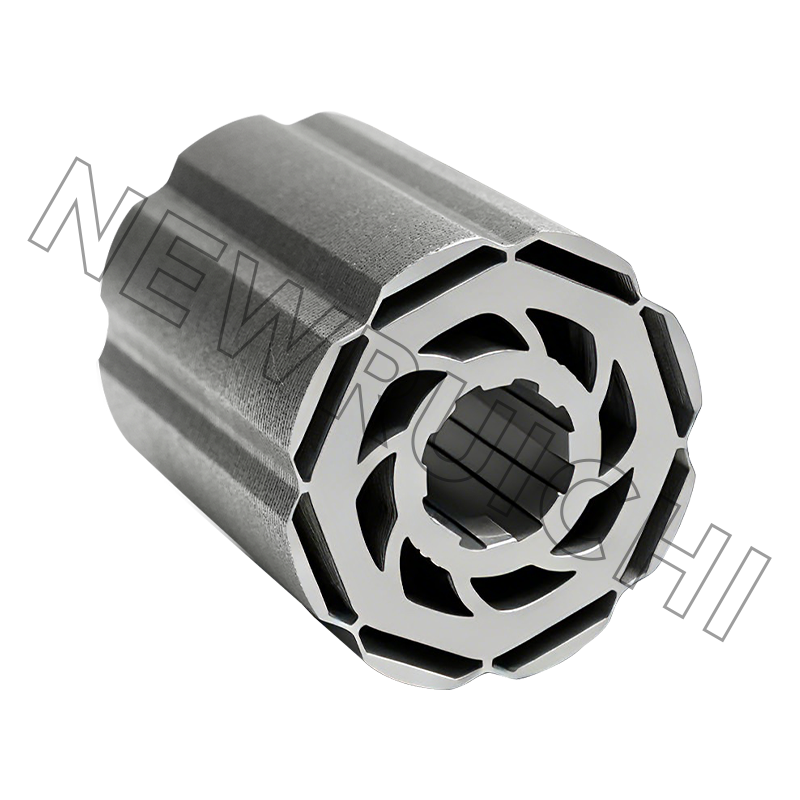
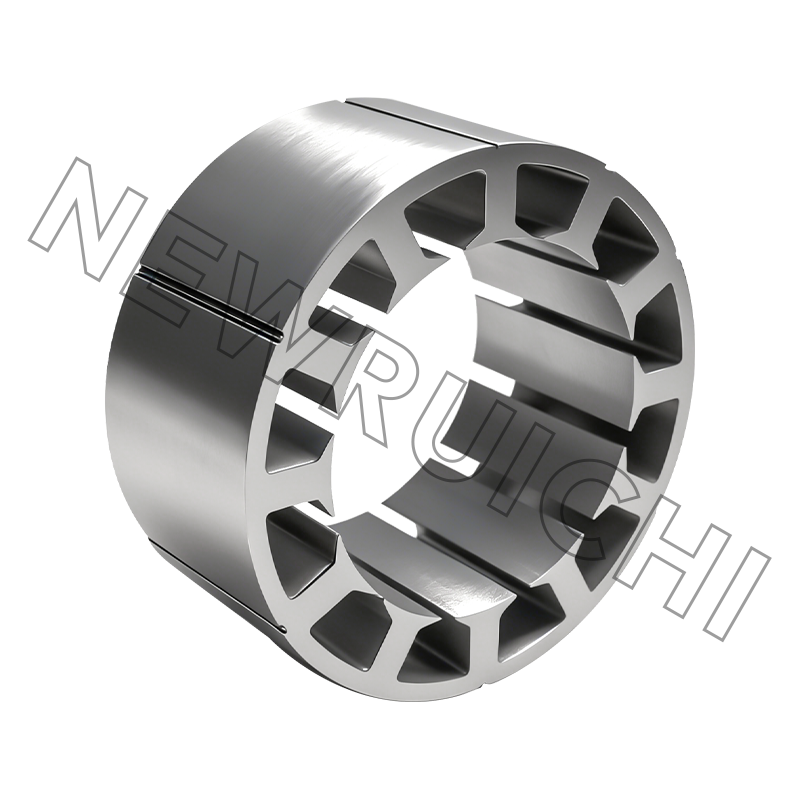
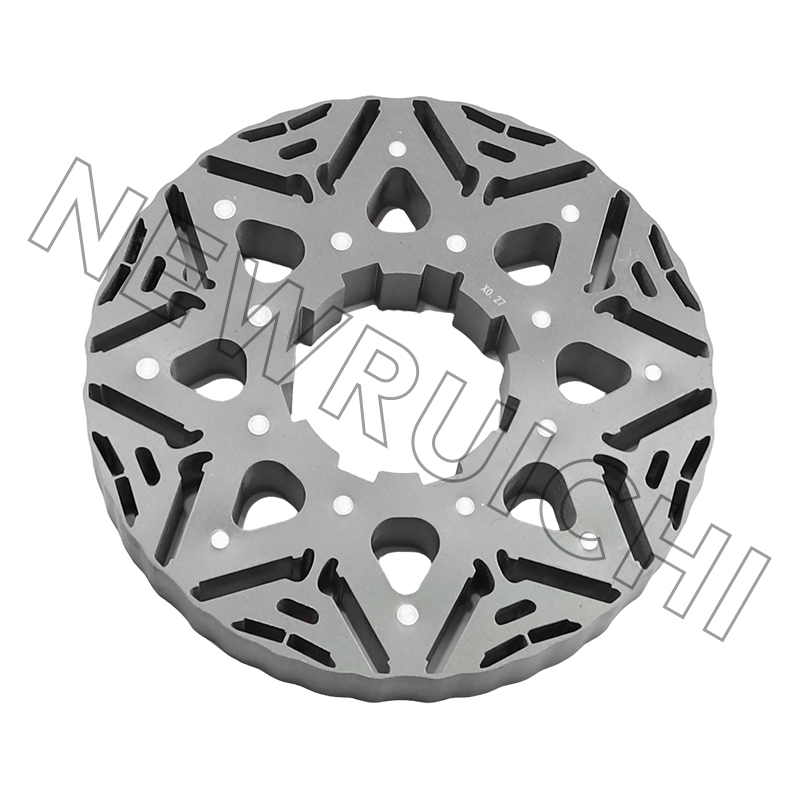
The stator and rotor cores are the magnetic circuit of the motor. Everything else — the windings, the bearings, the enclosure — exists to support what happens between these two components. When current flows through the stator windings, the core concentrates and guides that magnetic flux to interact with the rotor, producing the torque that spins the fan blades. The efficiency of this energy transfer is determined largely by core material and manufacturing precision.
Two loss mechanisms erode efficiency inside the core. Eddy current losses arise when the alternating magnetic field induces circulating currents within the core material, converting useful energy into heat. Hysteresis losses occur because the core material must be repeatedly magnetized and demagnetized with each electrical cycle — the energy consumed in this cycle is lost as heat rather than contributing to rotation. Both losses increase with frequency and with poor material selection.
The industry's answer to both problems is laminated silicon steel. By stacking thin sheets of grain-oriented or non-oriented electrical steel — each electrically insulated from the next — manufacturers create barriers that interrupt eddy current paths. The silicon content of the steel raises electrical resistivity and reduces hysteresis loss simultaneously. Tighter lamination tolerances and better stacking factors translate directly into lower iron losses, cooler operating temperatures, and longer motor service life. For fan motors running continuously at full load, even a one-percentage-point improvement in core efficiency compounds into significant energy savings over years of operation.
Dimensional accuracy matters as much as material quality. Air gap uniformity between the stator and rotor directly affects noise, vibration, and efficiency. A stator core with poor concentricity or inconsistent slot geometry forces the motor designer to widen the air gap as a tolerance buffer, which weakens the magnetic circuit and reduces power density. High-precision stamping and stacking processes eliminate this compromise.
New Ruichi's precision-stamped stator and rotor cores for AC motors are manufactured to tight geometric tolerances, supporting fan motor builders who need consistent magnetic performance across high-volume production runs. For system integrators who need ready-to-wind assemblies, finished motor core assemblies reduce in-house processing steps and help compress lead times.
Key Industries and Applications
Motor fans show up wherever air needs to move on a schedule. The breadth of their deployment is what makes motor core quality such a high-stakes manufacturing challenge.
In the HVAC and building services sector, fan motors run continuously for years inside air handling units, fan coil units, and rooftop packaged equipment. The thermal and electrical stresses on the motor core are relentless. In industrial manufacturing, process fans handle corrosive fumes, high-temperature exhaust, and dust-laden airstreams that would destroy an under-specified motor in weeks. Food and beverage plants require wash-down-rated enclosures with sealed motor cores that can survive high-pressure cleaning without allowing moisture ingress.
Data centers represent one of the fastest-growing fan motor applications. Server cooling fans run at tens of thousands of RPM, demand ultra-precise rotor balance, and must deliver MTBF (mean time between failures) figures measured in decades rather than years. The rotor core geometry at these speeds is unforgiving — any imbalance becomes amplified vibration.
In the new energy vehicle sector, thermal management systems rely on motor fans to cool battery packs, power electronics, and electric drive units. These fans operate across extreme temperature ranges and must meet stringent NVH (noise, vibration, harshness) targets that conventional industrial fans never face. The stator and rotor cores for new energy vehicle motors used in these applications are engineered to meet both the performance and packaging constraints of modern EV platforms.
How to Select the Right Motor Fan
Selecting a motor fan is an engineering decision, not a catalog lookup. The right starting point is the airflow requirement — expressed as volume flow rate (m³/h or CFM) and the static pressure the fan must overcome — which defines the operating point on the fan curve. From there, several additional parameters narrow the field.
Motor type and efficiency class should match the duty cycle. A fan running 8,000 hours per year demands IE3 or IE4 efficiency as a minimum; one cycling on and off infrequently can tolerate a lower-efficiency motor without significant energy penalty. Enclosure class (IP rating) must suit the environment — IP54 for dusty workshops, IP65 for wash-down areas, ATEX-certified for explosive atmospheres.
Speed control compatibility is increasingly a requirement rather than an option. Building management systems, process controls, and energy codes all push toward variable airflow. Confirm that the motor's stator insulation class is rated for VFD operation, since inverter drives introduce voltage spikes that stress winding insulation beyond its nameplate rating if not properly specified.
Finally, consider the core supply chain. A fan motor's long-term reliability traces back to the consistency of its stator and rotor cores. Sourcing cores from a manufacturer with documented process controls, material certifications, and precision stamping capabilities reduces warranty claims and production variability — factors that matter as much as nameplate efficiency when a product carries a multi-year performance guarantee.
Your email address will not be published. Required fields are marked *


 Email: [email protected]
[email protected]
 Telephone/Phone:
+86-18861576796 +86-18261588866
Telephone/Phone:
+86-18861576796 +86-18261588866
+86-15305731515 +86-18861576796
Copyright © Wuxi New Ruichi Technology Co., Ltd. / Wuxi Cailiang Machinery Co., Ltd. All rights reserved.
Stator And Rotor Cores Manufacturers
