 en
en
 русский
 Deutsch
Corrosion Resistance in Marine Motors Guide
In the demanding world of maritime engineering, the longevity and reliability of propulsion and auxiliary systems are paramount. Among the various challenges faced by marine equipment, environmental degradation stands out as a primary threat to operational continuity. Specifically, Corrosion resistance is not merely a desirable feature but a critical requirement for any component exposed to the harsh realities of the sea. This article delves into the essential role of high-performance marine motor housings, examining how they protect core motor components from salt spray, humidity, and other destructive elements while ensuring safe and stable operation across ocean-going vessels, inland ships, and offshore platforms.
Content
The Critical Role of Motor Housings in Extreme Environments
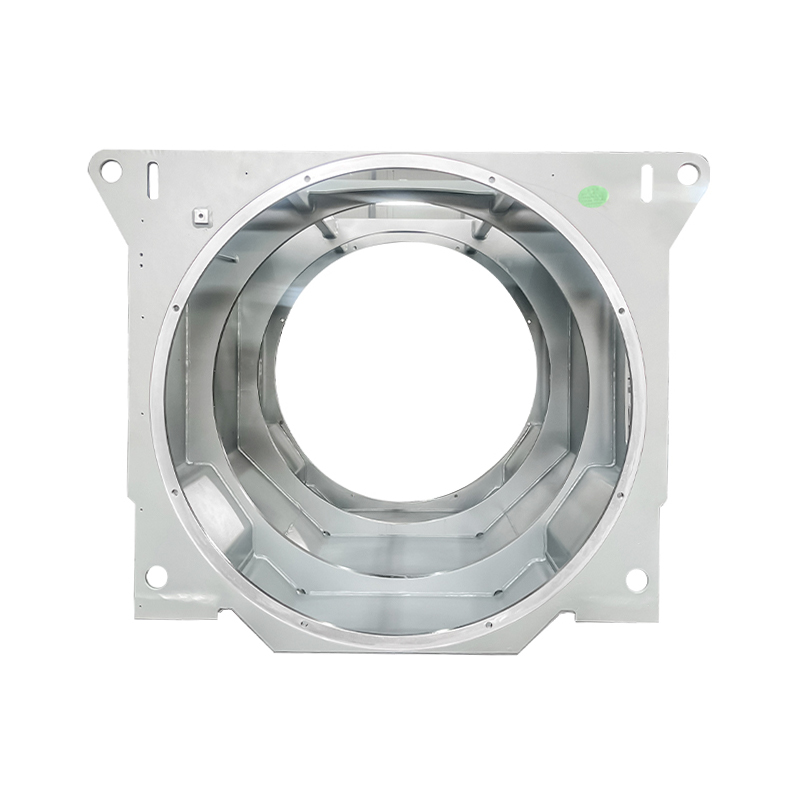
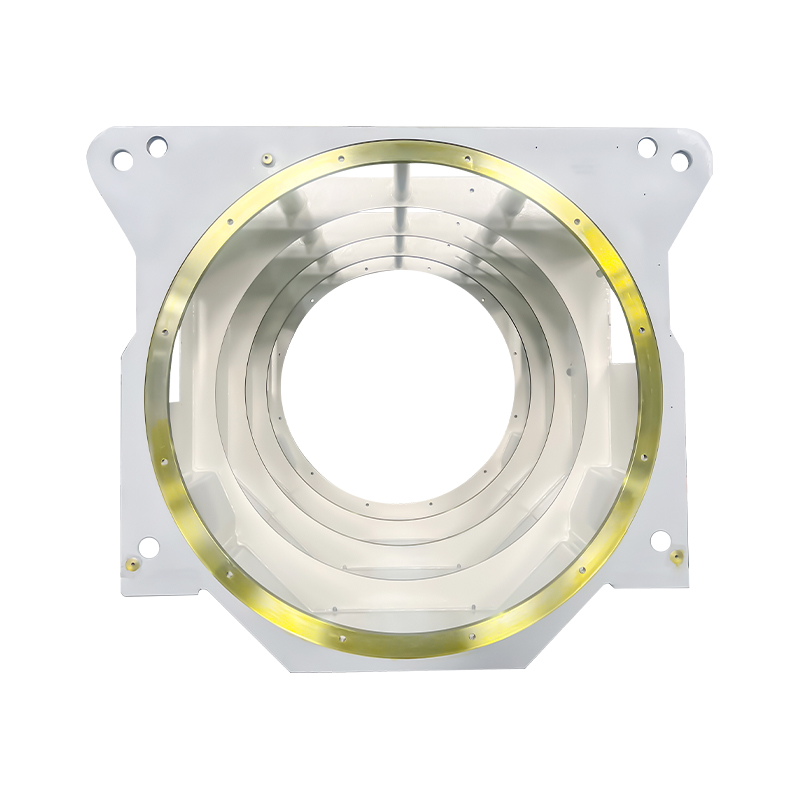
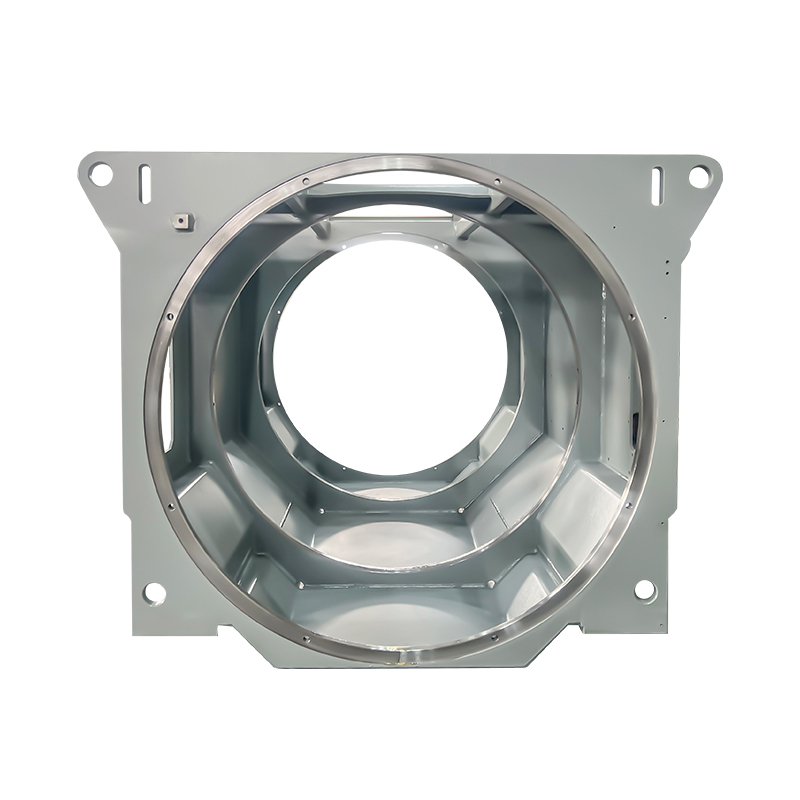
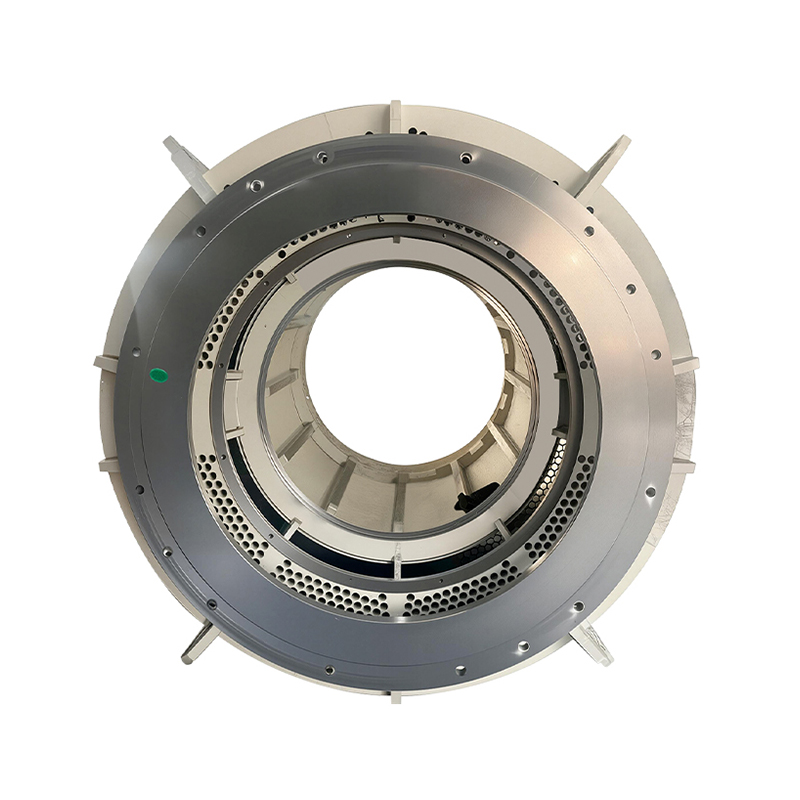
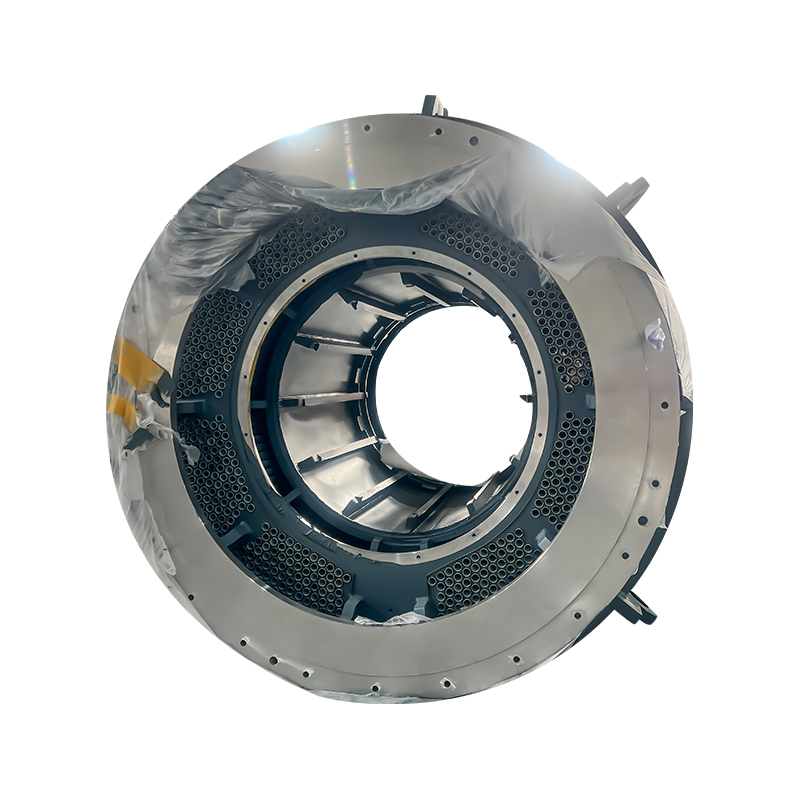
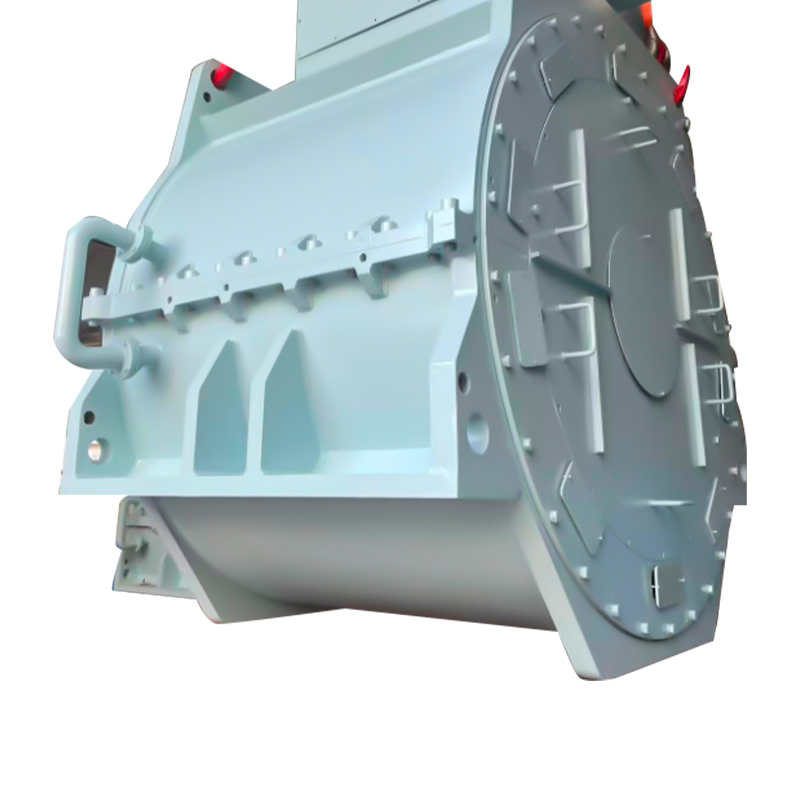
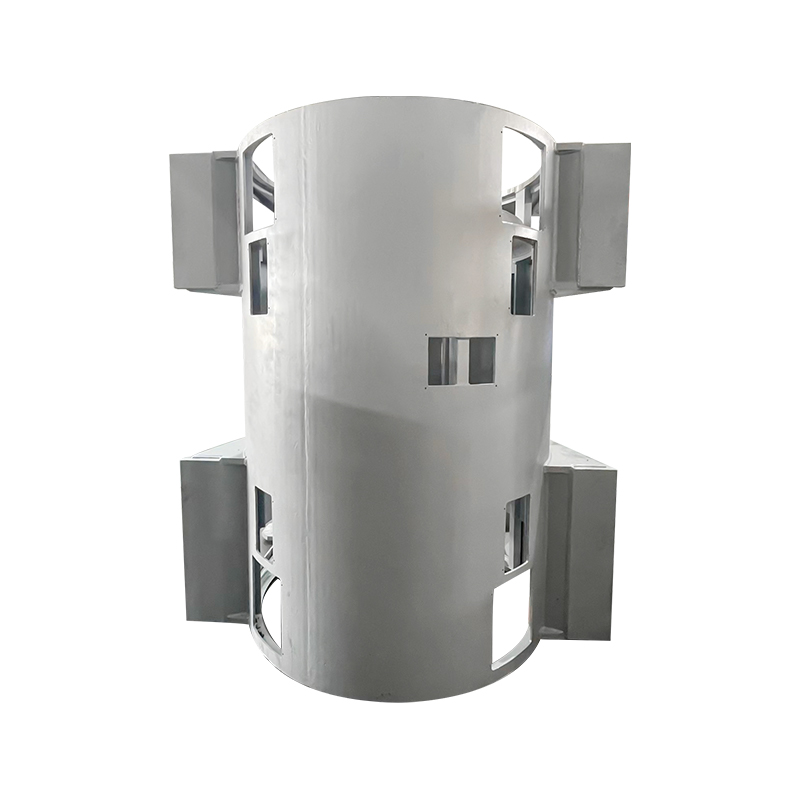
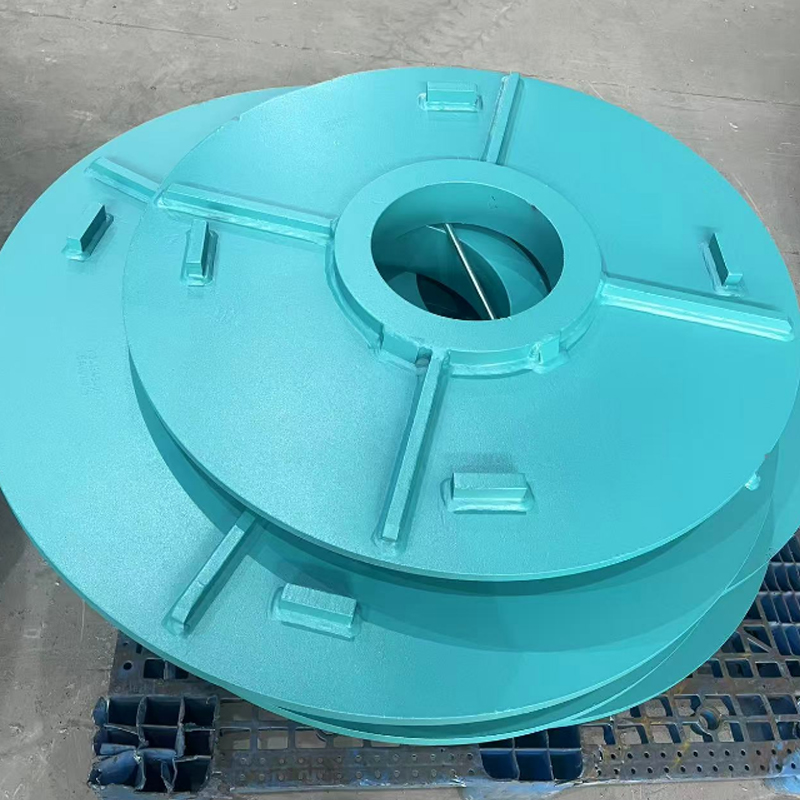
Marine motor housings serve as the first line of defense for the internal workings of electric motors. These structural components are responsible for shielding sensitive parts such as the stator, rotor, and windings from external hazards. In extreme marine environments, the stakes are significantly higher than in terrestrial applications. The combination of high humidity, constant exposure to salt spray, and large temperature variations creates a perfect storm for rapid material degradation. Without robust protection, these conditions can lead to premature failure, costly downtime, and even safety hazards.
The design of these housings is specifically engineered to withstand these challenges. By strictly complying with maritime industry standards, manufacturers ensure that every housing unit provides a secure barrier against the elements. This compliance is not just about meeting regulatory checkboxes; it is about guaranteeing that the motor can operate reliably under the most challenging conditions. Whether installed on an ocean-going cargo ship navigating the rough seas of the Atlantic or on an inland barge traversing tropical rivers, the housing must maintain its integrity over years of continuous service.
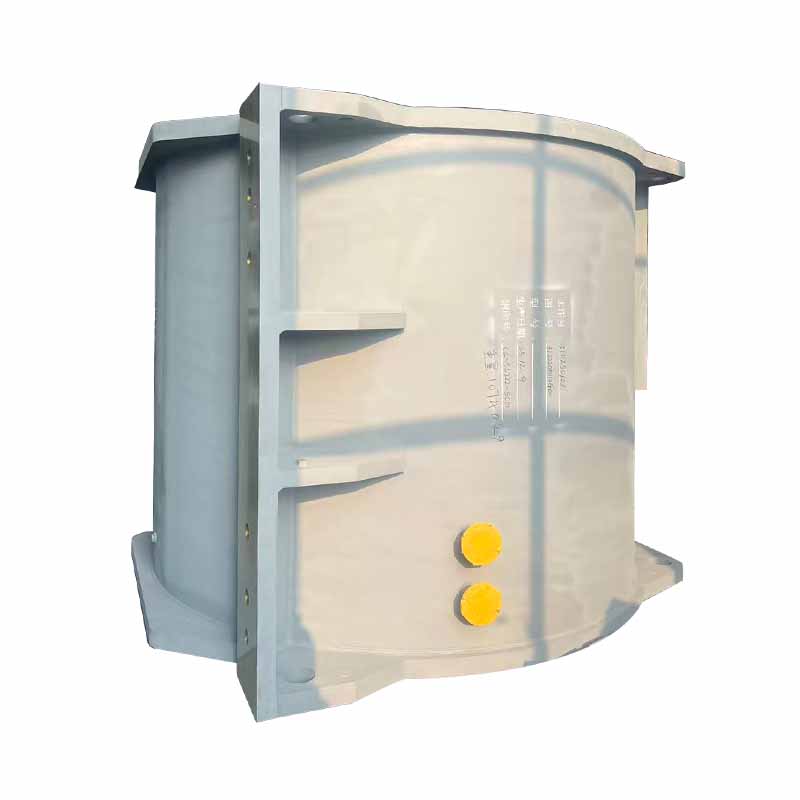
Understanding Corrosion Mechanisms in Maritime Settings
To appreciate the importance of Corrosion resistance, one must first understand the mechanisms at play in marine environments. Saltwater is highly conductive and contains chloride ions that aggressively attack metal surfaces. When salt spray settles on motor housings, it forms an electrolytic layer that accelerates electrochemical reactions, leading to rust and pitting. This process is exacerbated by high humidity, which keeps the surface moist and facilitates ion movement.
Furthermore, offshore operation platforms face additional threats such as oil exposure and mechanical vibration. Oil can trap moisture and contaminants against the housing surface, creating localized areas of intense corrosion. Vibration and impact from waves or machinery can crack protective coatings, exposing the underlying metal to direct attack. Therefore, effective corrosion protection requires a multi-faceted approach that addresses not just chemical resistance but also physical durability.
Key Environmental Threats to Marine Motors
- Salt spray accumulation leading to electrochemical corrosion.
- High humidity levels maintaining continuous moisture presence.
- Oil exposure trapping contaminants and accelerating degradation.
- Large temperature variations causing thermal stress and coating fatigue.
Engineering Solutions for Superior Protection
Achieving excellent Corrosion resistance involves advanced material selection and sophisticated manufacturing processes. Modern marine motor housings are often constructed from specialized alloys or treated with high-performance coatings designed to repel water and resist chemical attack. These materials are chosen for their ability to maintain structural integrity despite prolonged exposure to harsh conditions.
In addition to material properties, the design of the housing plays a crucial role. Features such as seamless welding, reinforced joints, and optimized drainage paths help prevent water accumulation and reduce stress points. Efficient heat dissipation is also integrated into the design, ensuring that the motor operates within safe temperature limits. Overheating can weaken protective coatings and accelerate corrosion, so effective thermal management is inherently linked to long-term durability.
Optional explosion-proof capabilities further enhance the safety profile of these housings. In environments where flammable gases or vapors may be present, such as on oil tankers or chemical carriers, explosion-proof designs prevent internal sparks from igniting external atmospheres. This feature, combined with waterproof and dustproof protection, ensures that the motor remains safe and functional even in the most hazardous scenarios.
| Protection Feature | Benefit | Application Scenario |
| Corrosion Resistance | Prevents rust and material degradation | All marine environments, especially offshore |
| Waterproof & Dustproof | Blocks ingress of water and particulates | Deck-mounted equipment, heavy rain zones |
| Explosion-Proof Capability | Prevents ignition of flammable atmospheres | Oil tankers, chemical carriers, gas platforms |
| Vibration Resistance | Maintains structural integrity under stress | Engine rooms, high-wave areas |
Ensuring Long-Term Operational Reliability
The ultimate goal of investing in high-quality marine motor housings is to ensure safe, stable, and long-lasting operation. By protecting the core parts of the motor, these housings minimize the risk of unexpected failures that can disrupt schedules and incur significant repair costs. For shipowners and operators, this translates to improved efficiency and reduced total cost of ownership.
Regular maintenance and inspection are still necessary, but the robust nature of these housings reduces the frequency and intensity of required interventions. Their resistance to vibration and impact means they can withstand the rigorous demands of daily maritime operations without compromising performance. As the industry continues to evolve, the demand for components that offer superior Corrosion resistance and comprehensive protection will only grow, driving further innovation in marine motor technology.
In conclusion, the selection of marine motor housings is a critical decision that impacts the entire lifecycle of maritime equipment. By prioritizing features such as excellent corrosion resistance, waterproofing, and explosion-proof capability, operators can safeguard their investments and ensure uninterrupted service. Whether for ocean-going vessels or inland ships, the right housing solution provides the peace of mind needed to navigate the challenging conditions of the modern maritime world.
Your email address will not be published. Required fields are marked *



 Email: [email protected]
[email protected]
 Telephone/Phone:
+86-18861576796 +86-18261588866
Telephone/Phone:
+86-18861576796 +86-18261588866
+86-15305731515 +86-18861576796
Copyright © Wuxi New Ruichi Technology Co., Ltd. / Wuxi Cailiang Machinery Co., Ltd. All rights reserved.
Stator And Rotor Cores Manufacturers
