A cage rotor motor — more precisely known as a squirrel cage induction motor — is still the single most-purchased type of industrial electric motor on the planet, and for a plant manager comparing quotes this week, the decision usually comes down to one question: which efficiency class and rotor material actually pay for themselves. This guide walks through the engineering behind the cage rotor, lays out real efficiency and cost data, and gives a practical framework for choosing and sourcing the right unit.
Core takeaway
An IE3-rated cage rotor motor with copper die-cast rotor bars typically costs 12–18% more upfront than an IE2 aluminum-rotor equivalent, but for any motor running above 4,000 hours per year, the electricity savings recover that premium in under three years — and every year after that is pure margin.
Content
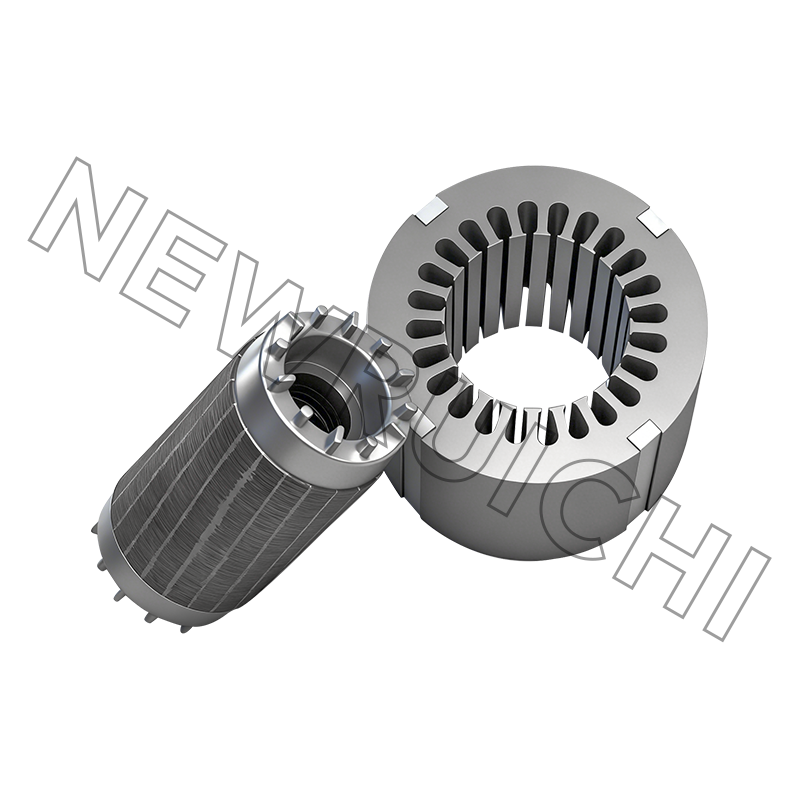
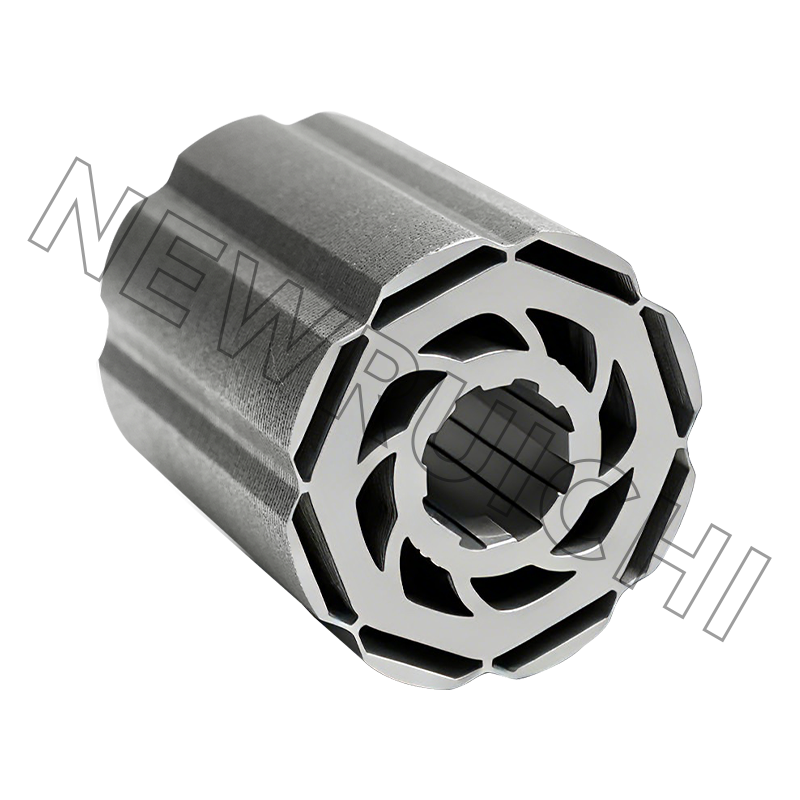
The rotor in this design carries no external wiring, no brushes, and no slip rings. Instead, conductive bars — aluminum or copper — are cast or inserted into slots around a laminated rotor core and shorted at both ends by end rings, forming the "cage" that gives the motor its name. When the stator winding is energized, it produces a rotating magnetic field; that field induces current directly in the rotor bars, and the interaction between the induced current and the field generates torque.
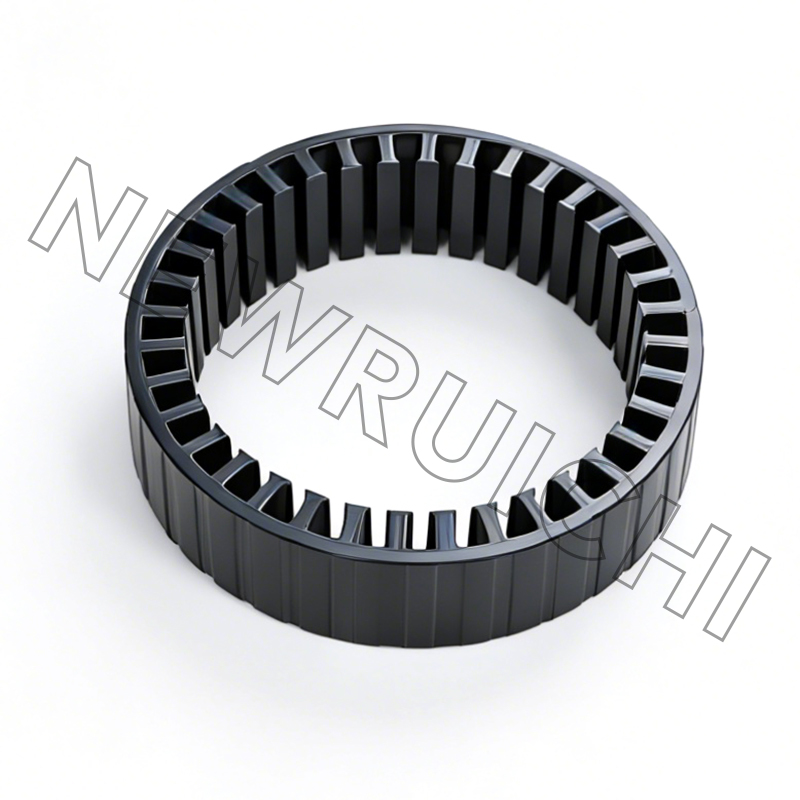
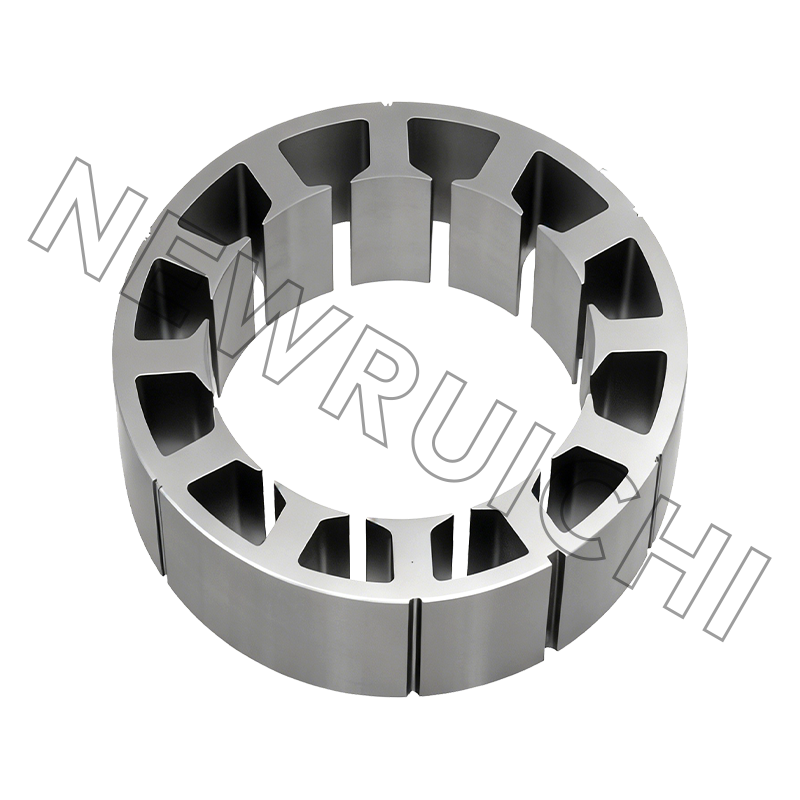
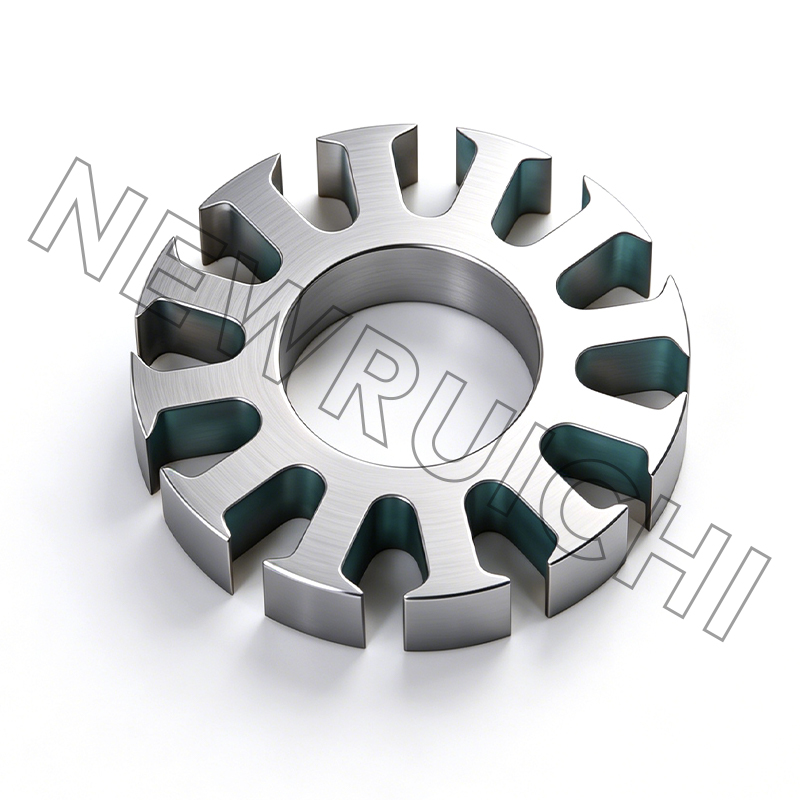
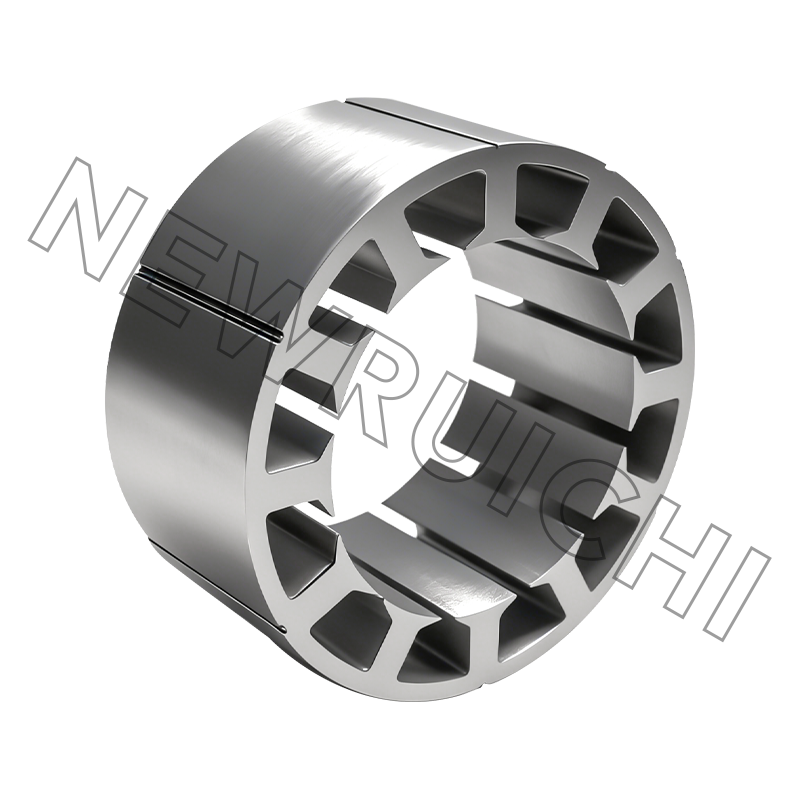
Stacked silicon-steel laminations wound with copper coils; lamination quality and stacking factor directly set the iron losses that dominate no-load efficiency.
Rotor Core & Bars
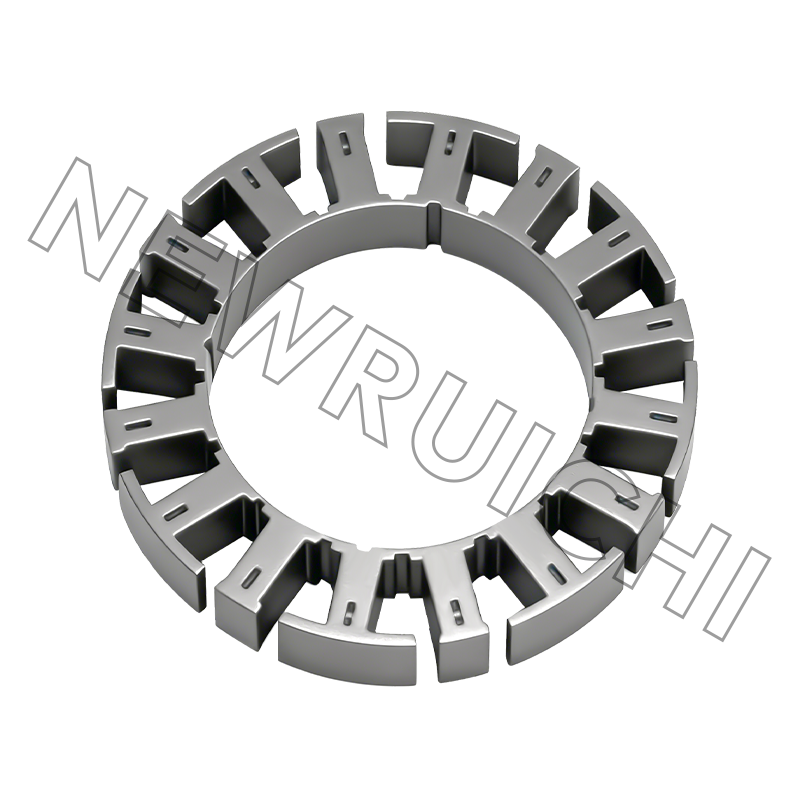
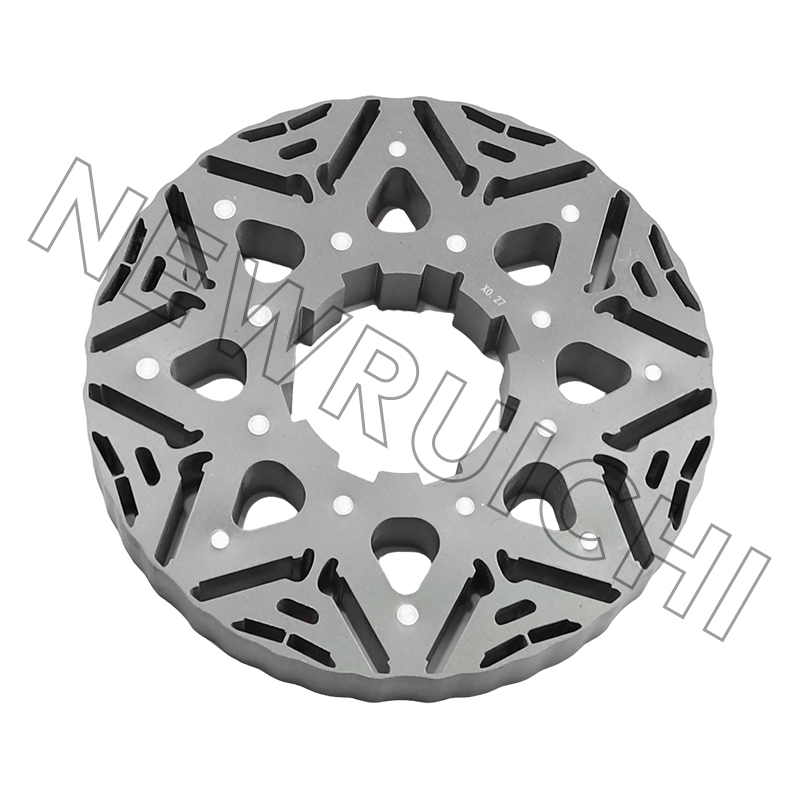
Rotor lamination stack plus cast or inserted bars. Bar material and slot geometry set rotor copper losses and starting torque characteristics.
Air Gap & Slot Ratio
Manufacturing studies show the ratio of total stator slot area to rotor slot area has to sit roughly between 2.3 and 8.0 for a design to hold IE3-level efficiency across output points.
End Rings & Cooling
End rings carry circulating current and often integrate cooling fins; ring cross-section is a common bottleneck when a motor is derated or oversized for its frame.
Cage rotor motors are rated globally under IEC 60034-30-1, which covers three-phase, single-speed squirrel-cage machines from 0.75 kW up to roughly 375 kW. The table below uses a 7.5 kW, 4-pole, 50 Hz reference point, which is the most commonly quoted baseline for comparing classes.
Reference figures based on IEC 60034-30-1 classification at 7.5 kW, 4-pole, 50 Hz.
Buyers often compare nameplate efficiency and stop there, but the breakdown of loss sources explains why rotor core and bar quality matter more than any other single variable in a cage rotor design.
Stator I²R
37%
Rotor I²R
28%
Iron Loss
21%
Friction/Windage
9%
Stray Load
5%
Approximate loss distribution in a typical mid-size induction motor at rated load.
Rotor I²R losses alone account for roughly a quarter to a third of total losses, which is exactly why swapping aluminum die-cast bars for copper is one of the highest-leverage design changes available. Copper's resistivity runs about 40% lower than aluminum's, and that difference lands directly on the rotor loss bar in the chart above. One documented retrofit of 47 aging IE1 aluminum-rotor pump motors at a water treatment facility with IE3 copper-rotor units showed only a 3–4 percentage-point improvement on the nameplate — yet at 8,760 running hours a year, that translated into over €28,000 in annual electricity savings across the installation.
Demand for cage rotor motors clusters heavily around a handful of continuous-duty applications, and knowing where your buyer segment sits helps determine which efficiency class and frame size make sense.
Pumps & water treatment — 30%
Fans & HVAC systems — 24%
Conveyors & material handling — 18%
Compressors — 13%
Mills, mixers & other drives — 15%
Pumps and fans together account for over half of installed base because both run at near-constant load for thousands of hours a year, which is exactly the operating profile where the efficiency premium of IE3/IE4 pays off fastest.
Choosing the right cage rotor motor is less about the spec sheet and more about matching duty cycle, load profile, and lifecycle cost to the right combination of core steel, rotor bar material, and frame size.
Map the duty cycle
Log annual running hours and average load factor. Anything above 4,000 hours/year at over 60% load justifies IE3 as a floor, not an option.
Match rotor bar material to load pattern
Copper rotor bars suit continuous, near-full-load duty. Aluminum remains cost-effective for intermittent or light-duty service where payback horizons are longer.
Verify stator and rotor core quality
Confirm lamination steel grade, stacking factor, and slot geometry with the core supplier — this is where iron losses and IE3/IE4 headroom are actually won or lost, not just at the winding stage.
Run the payback math
Compare the IE2-to-IE3 (or IE3-to-IE4) price delta against annual kWh savings at your local electricity rate. Most continuous-duty pumps and fans recover the premium in 18–36 months.
Confirm supplier documentation
Request IEC 60034-30-1 test reports, core material certificates, and batch traceability before committing to volume orders.
Rotor bar integrity checks
Broken rotor bars are a leading cause of unexplained vibration and current imbalance. Routine motor current signature analysis (MCSA) catches early-stage bar cracking before it causes an unplanned shutdown.
Bearing and insulation life
Higher-efficiency motors run cooler, which extends bearing grease life and winding insulation life — a secondary but real benefit of moving from IE2 to IE3/IE4 that rarely appears in ROI spreadsheets.
Regulatory alignment
Most industrial markets now set IE2 as the absolute floor and IE3 as the practical minimum for new installations; buyers exporting equipment should confirm destination-market Minimum Energy Performance Standards (MEPS) before finalizing motor specs.
Variable frequency drive pairing
When a cage rotor motor runs on a VFD, harmonic content raises rotor losses; specify inverter-duty insulation and confirm the motor is rated for VFD operation to avoid premature bar or insulation failure.
A cage rotor motor uses shorted conductive bars with no external connections, making it simpler, cheaper, and more rugged. A wound rotor motor has three-phase windings brought out through slip rings, allowing external resistance control for high starting torque — at the cost of higher maintenance and price.
The absence of brushes and slip rings removes the most common failure points in a motor, cuts maintenance to almost nothing, and lowers manufacturing cost significantly, which is why cage rotor designs dominate constant-speed industrial applications.
Copper's lower resistivity reduces rotor losses and supports IE3/IE4 efficiency targets, but it costs more to cast. Aluminum remains a sound choice for lighter-duty or intermittent applications where the efficiency premium won't be recovered quickly.
IE3 is the practical baseline in most regulated markets today. IE4 is worth the extra cost for motors running continuously above roughly 4,000–5,000 hours per year at high load factor, such as pumps, fans, and compressors.
Lamination steel grade, thickness, and stacking factor directly determine iron losses, which typically account for around a fifth of total losses. A core built from lower-grade or poorly stacked steel can prevent an otherwise well-designed motor from reaching its rated efficiency class.
Yes, and it is one of the most common efficiency upgrades in industrial retrofits. However, harmonic currents from the drive raise rotor losses and stress winding insulation, so the motor should carry inverter-duty insulation ratings.
With proper bearing maintenance and reasonable thermal management, industrial cage rotor motors commonly reach 15–20 years of service life, which is why lifecycle electricity cost — not purchase price — dominates total cost of ownership.
Request the lamination steel grade and thickness, stacking factor and dimensional tolerances, IEC 60034-30-1 test data for the finished motor, and batch traceability records — these determine whether the finished motor will actually hit its rated efficiency class in the field.
A cage rotor motor earns its place as the industrial default because the design is simple, rugged, and — when built with the right core steel and rotor bar material — genuinely efficient. The gap between an IE2 and an IE3 or IE4 unit isn't cosmetic: it shows up directly in the electricity bill, in bearing life, and in how rarely the motor ends up on a maintenance work order. For buyers evaluating suppliers, the rotor and stator core quality is the single variable most likely to make or break whether a motor actually delivers its rated cage rotor motor efficiency in continuous industrial service.
Sourcing IE3/IE4 stator and rotor cores for your next motor build?
Work with a stator-rotor core manufacturer that can supply certified lamination steel, precision-stacked cores, and full test documentation for every batch.
Your email address will not be published. Required fields are marked *
AC motors serve as the core of modern industrial systems, and the performance of...
DC motors are known for their strong starting torque and excellent speed regulat...
Servo motors function as the “actuating joints” of precision motion systems, and...
We supply ultra-thin, high-permeability stator and rotor cores for miniature ste...
Our stator and rotor cores for new-energy vehicle drive motors serve as essentia...
I. Basic Concept and Positioning The industrial box-type machine base is a motor...
The Square-Base Cylindrical Motor Frame is a hybrid support structure that combi...
I. Basic Concept and Core PositioningThe Horizontal Aluminum Tube Cooling Machin...
Core Structural FeaturesVertical Cylindrical Architecture: The main body feature...
Core Structural FeaturesVertical Layout: The base adopts a vertical column desig...
Marine cylindrical generator base with internal stiffening-rib structure (withou...
Maximized space utilizationNo separate foundation required; installed directly o...
1. Revolutionary ease of installationInstallation can be completed without disma...
The standard end closure serves as a vital structural component for motors, prov...
Email: [email protected]
[email protected]
Telephone/Phone:
+86-18861576796 +86-18261588866
+86-15305731515 +86-18861576796
Copyright © Wuxi New Ruichi Technology Co., Ltd. / Wuxi Cailiang Machinery Co., Ltd. All rights reserved.